Heart & Vascular

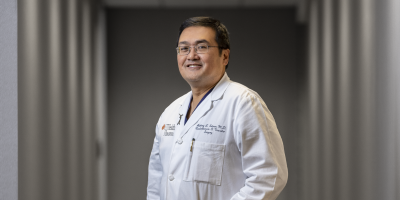


About Our Aortic Program
The UTHealth Houston Aortic Program is a comprehensive center for the diagnosis and treatment of aortic disease, including aneurysms, dissections, and other conditions affecting the body’s largest blood vessel. Our program provides specialized care tailored to each patient, from routine monitoring to advanced surgical treatment.
The program is led by Anthony Estrera, MD, chair of the Department of Cardiothoracic and Vascular Surgery at UTHealth Houston and a nationally recognized expert in aortic care. Dr. Estrera brings decades of experience treating complex aortic disease and is widely respected for advancing surgical techniques and improving outcomes for patients with life-threatening conditions.
Our team includes experts in cardiac and vascular surgery, imaging, and critical care who work together to develop individualized treatment plans for each patient. In collaboration with Memorial Hermann, patients have access to advanced surgical care, high-resolution imaging, and a system designed to manage even the most challenging cases.
At UTHealth Houston, we are committed to delivering expert care with urgency, precision, and compassion—supporting patients through every stage of diagnosis and treatment.
Why Choose UTHealth Houston
Patients choose UTHealth Houston for aortic care because of our combination of surgical expertise, advanced technology, and a highly coordinated, team-based approach. As part of an academic medical center, our physicians are experienced clinicians and leaders in research and innovation, bringing the latest advances in aortic care directly to our patients.
Our Aortic Program brings together specialists in cardiothoracic and vascular surgery, imaging, cardiology, and critical care to evaluate each case from multiple perspectives. This collaborative approach allows us to develop personalized treatment plans tailored to the complexity of each patient’s condition, whether it requires ongoing monitoring or urgent intervention.
Led by nationally and internationally recognized experts, including Dr. Anthony Estrera, our team has extensive experience managing complex and high-risk aortic disease. We routinely treat conditions that require advanced surgical techniques and careful coordination across specialties, ensuring patients receive comprehensive care in one place.
In addition to clinical care, UTHealth Houston is deeply committed to advancing the field of aortic medicine. Our physicians are actively involved in clinical trials, research programs, and the development of new tools to improve early detection and treatment. This focus on innovation means patients have access to the most current approaches available. Our team is actively involved in national and international efforts to advance aortic care, including leadership in the annual Houston Aortic Symposium.
At UTHealth Houston, we combine expertise, innovation, and compassionate care to support patients at every stage — from diagnosis through recovery — helping achieve the best possible outcomes.
Our Team
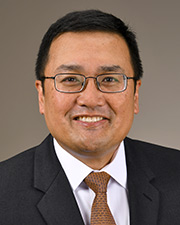 Anthony Estrera, MD
Dr. Anthony Estrera is professor and chair of the Department of Cardiothoracic and Vascular Surgery at McGovern Medical School at UTHealth Houston. He also serves as chief of cardiac surgery at Memorial Hermann–Texas Medical Center.
Dr. Estrera is an internationally recognized leader in aortic surgery, with expertise in aortic dissection and thoracoabdominal aortic aneurysms. He has extensive experience managing complex and high-risk aortic conditions and has helped advance surgical techniques that improve patient outcomes.
He plays a central role in the program’s multidisciplinary approach, collaborating closely with cardiology, vascular surgery, and genetics specialists to deliver comprehensive, coordinated care. Dr. Estrera has authored more than 150 peer-reviewed publications and numerous book chapters on aortic disease.
Request an appointment with Dr. Estrera (external link)
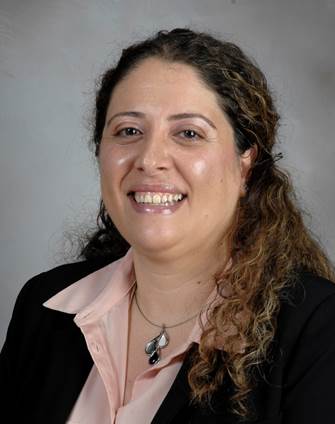 Rana Afifi, MD
Dr. Rana Afifi is an associate professor of vascular surgery at McGovern Medical School at UTHealth Houston.
Dr. Afifi focuses on the treatment of complex aortic disease, including aneurysms, dissections, and complications from prior aortic repair. She has expertise in advanced endovascular and hybrid procedures, allowing for minimally invasive treatment options in patients who may not be candidates for traditional open surgery.
She is an integral member of the multidisciplinary aortic team, working closely with surgeons, cardiologists, and genetic specialists to develop individualized treatment plans. Her work also includes ongoing research and clinical collaboration to improve outcomes for patients with complex vascular conditions.
Request an appointment with Dr. Afifi (external link)
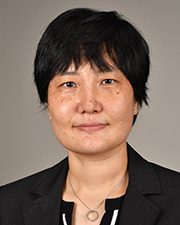 Akiko Tanaka, MD, PhD
Dr. Akiko Tanaka is an assistant professor in the Department of Cardiothoracic and Vascular Surgery at McGovern Medical School at UTHealth Houston.
Dr. Tanaka specializes in cardiovascular, valve, and aortic surgery, with advanced training in complex aortic procedures. She earned her medical degree from Kobe University in Japan and completed advanced fellowship training in aortic surgery and vascular surgery at UTHealth Houston.
Her clinical work focuses on the surgical management of complex aortic disease, and she is actively involved in delivering high-level, team-based care for patients with challenging conditions. Dr. Tanaka is fluent in both English and Japanese.
Request an appointment with Dr. Tanaka (external link)
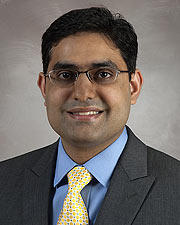 Naveed Saqib, MD
Dr. Naveed Saqib is an associate professor in the Department of Cardiothoracic and Vascular Surgery at McGovern Medical School at UTHealth Houston and serves as program director of the Integrated Vascular Surgery Residency.
Dr. Saqib specializes in vascular and aortic surgery, with a focus on the management of complex aortic pathology using both open and endovascular techniques. He is actively involved in the care of patients with challenging vascular conditions and contributes to the program’s comprehensive approach to aortic disease.
In addition to his clinical work, Dr. Saqib plays a key role in training the next generation of vascular surgeons, helping to advance the field through education and mentorship.
Request an appointment with Dr. Saqib (external link)
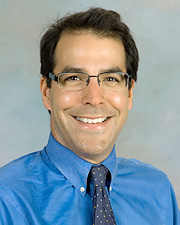 Siddharth Prakash, MD, PhD
Dr. Siddharth Prakash is a professor of cardiovascular medicine at McGovern Medical School at UTHealth Houston. He is a cardiologist, physician-scientist, and a nationally recognized expert in inherited and genetic aortic diseases.
Dr. Prakash specializes in the diagnosis and management of heritable thoracic aortic disease, helping guide care for both patients and their families. He plays a key role in multidisciplinary decision-making, working closely with surgeons and genetic specialists to determine optimal timing of intervention and long-term management strategies.
His work includes identifying individuals at risk for aortic disease through genetic evaluation and family screening, with the goal of preventing life-threatening complications. His research focuses on the genetic causes of aortic disease and improving risk prediction to guide personalized care.
Request an appointment with Dr. Prakash (external link)
 Dianna Milewicz, MD, PhD
Dr. Dianna Milewicz is professor and the George H.W. Bush Chair in Cardiovascular Medicine at McGovern Medical School at UTHealth Houston. She is also director of the Division of Medical Genetics and director of the John Ritter Research Program.
Dr. Milewicz is an internationally recognized leader in the genetics of aortic disease and has been instrumental in identifying the genetic causes of inherited thoracic aortic aneurysms and dissections. Her work has significantly advanced the understanding of how these conditions develop and how they can be detected earlier.
She plays a critical role in the program’s multidisciplinary care model, helping guide genetic diagnosis, family screening, and long-term management strategies for patients with inherited aortic conditions.
Conditions we treat
Our team treats a full range of aortic conditions, from common aneurysms to complex and high-risk disease, including:
- Thoracic aortic aneurysm
- Abdominal aortic aneurysm
- Thoracoabdominal aortic aneurysm
- Aortic dissection
- Aortic arch disease
- Genetic aortic conditions (Marfan syndrome, Loeys-Dietz syndrome)
- Bicuspid aortic valve–associated aortopathy
- Traumatic aortic injury
- Aortic infections (Mycotic aneurysm, graft infection)
- Complex aortic conditions (including pseudoaneurysm, penetrating aortic ulcer, and intramural hematoma)
Services & Treatments
The UTHealth Houston Aortic Program offers a range of treatment options for aortic disease, from ongoing monitoring to complex surgical repair. Care is tailored to each patient based on their condition and overall health.
- Medical Management and Surveillance
Some aortic conditions can be managed with close monitoring using advanced imaging and by helping patients manage blood pressure and other risk factors. Regular follow-up allows us to track changes over time and determine when intervention may be needed.
- Minimally Invasive Procedures
For many patients, aortic disease can be treated using minimally invasive techniques. Endovascular procedures use small incisions and image-guided tools to repair the aorta from within the blood vessel. These approaches often lead to shorter recovery times and are used when appropriate based on a patient’s anatomy and condition.
- Open Aortic Surgery
Some complex conditions and high-risk cases require open surgical repair. Our surgeons have extensive experience performing advanced aortic procedures, including repairs involving the aortic root, arch, and thoracoabdominal aorta. These procedures are carefully planned and supported by a specialized care team. In certain cases, a combination of open and endovascular techniques may be used. These hybrid approaches allow for more flexibility in treating complex aortic disease and are tailored to each patient’s specific needs.
- Emergency Aortic Care
Conditions such as aortic dissection require immediate attention. Our team is experienced in rapidly evaluating and treating these emergencies, with systems in place to provide timely, coordinated care when it matters most.
Clinical Trials & Research
At UTHealth Houston, our Aortic Program is focused on research to improve how aortic disease is identified, treated, and prevented. Patients may have access to clinical studies and emerging technologies designed to advance care and improve outcomes.
Our John Ritter Research Program is a collaboration focused on identifying genetic risk factors for thoracic aortic aneurysms and dissections. This work helps physicians better understand who may be at risk, allowing for earlier detection and more personalized care. Led by experts in aortic disease and medical genetics, including Dr. Dianna Milewicz, the program has contributed to the discovery of genes associated with aortic disease and continues to shape how these conditions are diagnosed and managed.
In addition to genetic research, UTHealth Houston researchers are developing innovative tools to support clinical decision-making. One example is an AI-driven application designed to help physicians assess a patient’s risk for thoracic aortic aneurysms and dissections and guide next steps in care. By combining genetic data, medical history, and established guidelines, this technology aims to make complex information more accessible and actionable at the point of care.
Together, these efforts reflect a broader commitment to advancing aortic care through treatment, early detection, improved risk assessment, and more personalized care.
Technology & Innovation
The UTHealth Houston Aortic Program uses advanced technology to support accurate diagnosis, careful monitoring, and effective treatment of aortic disease. These tools help our team evaluate complex conditions and guide treatment decisions with greater precision.
Advanced Imaging
High-resolution imaging plays a central role in aortic care. Techniques such as CT and MRI allow our physicians to closely evaluate the aorta, monitor changes over time, and plan treatment with a high level of detail.
Minimally Invasive Technology
Endovascular procedures use image-guided technology to treat aortic disease from within the blood vessel. These minimally invasive approaches can reduce recovery time and are an important option for many patients.
Hybrid and Complex Surgical Techniques
For more complex cases, our team uses a combination of open and minimally invasive approaches. These hybrid techniques allow for flexible, customized treatment strategies based on each patient’s condition.
Innovation in Aortic Care
UTHealth Houston is also advancing the use of new tools to support clinical decision-making. This includes the development of AI-driven technology designed to help physicians assess a patient’s risk for aortic aneurysms and dissections and guide next steps in care. By making complex information more accessible, these tools support earlier detection and more personalized treatment.
Patient Education
We are committed to helping patients and families better understand aortic disease and treatment options. Educational resources, including webinars and informational materials, are available to support patients at every stage of care.
News & Updates
Stay up to date on the latest developments in aortic care at UTHealth Houston, including research advancements, new technologies, and program updates.