Pickleball Foot and Ankle Injuries: Prevention Tips
Pickleball is one of the fastest-growing sports in the United States. While it’s an excellent way to stay active, orthopedic specialists are seeing a sharp rise in pickleball foot and ankle injuries.
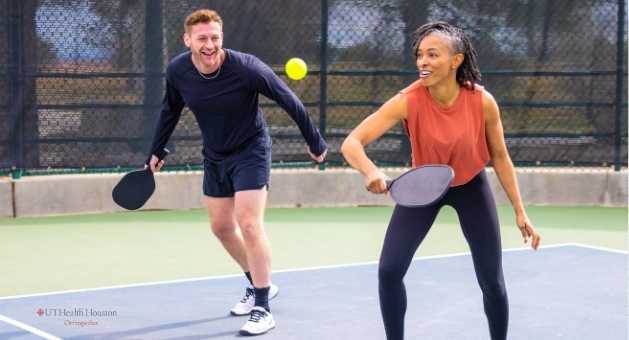
A couple plays pickleball on an outdoor court. (Photo/Adobe Stock)
From ankle sprains to Achilles tendon ruptures, pickleball-related foot and ankle conditions are becoming increasingly common—especially among adults over 50 and recreational athletes returning to sports. Understanding the risks can help you prevent injury and stay safe on the court.
Pickleball participation has grown dramatically in recent years:
-
Approximately 8.9 million Americans played pickleball in 2022, more than double the number from three years prior.¹
-
The sport has grown by over 150% in three years, making it one of the fastest-growing sports in the U.S.²
-
While long associated with adults over 50, the fastest growth is now among players under age 35.¹
As participation increases, so do injuries. An analysis of National Electronic Injury Surveillance System (NEISS) data found a significant increase in pickleball-related injuries between 2010 and 2019, with most occurring among adults aged 50 and older.³ Lower extremity injuries were among the most frequently reported.

John Z. Zhao, MD, assistant professor and foot and ankle surgeon
“Although pickleball is a fantastic sport for improving cardiovascular health, it involves sudden, high-impact movements that can lead to lower extremity injuries if players are not careful,” says John Z. Zhao, MD, assistant professor and foot and ankle surgeon with UTHealth Houston (external link) and UT Physicians. (external link) “I see it all the time—the weekend athlete going for a diving save and ending up with an Achilles tendon rupture.”
Why are Pickleball Foot and Ankle Injuries So Common?
Pickleball involves:
- Quick lateral movements
- Sudden stops and pivots
- Rapid acceleration
- Explosive push-offs
These movements place repetitive stress on the ankle ligaments, Achilles tendon, plantar fascia, and calf muscles. Many players start without proper conditioning, increasing the risk of both acute injuries and overuse conditions.
“Not only is it important to stretch before and after play, but incorporating regular flexibility work and staying within your limits is key to preventing injury,” adds Dr. Zhao.
What are the Most Common Pickleball Foot and Ankle Injuries?
Ankle Sprains
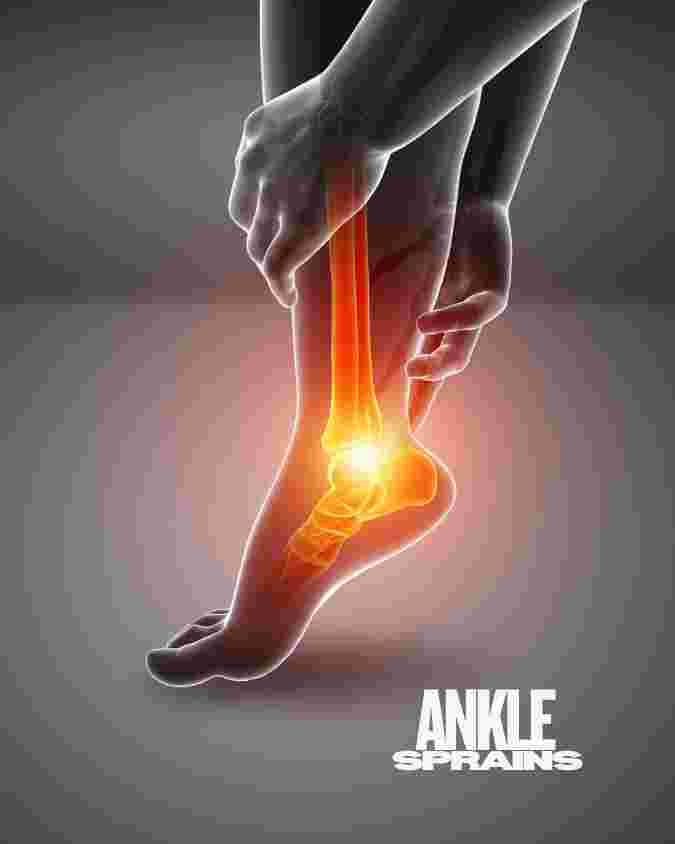
Ankle sprains are among the most common pickleball foot and ankle injuries. They typically occur when the foot rolls inward during lateral movement.
Symptoms include:
-
Swelling
-
Bruising
-
Pain with walking
-
Instability
Repeated sprains can lead to chronic ankle instability, increasing the risk of long-term joint damage and arthritis.
Achilles Tendonitis and Achilles Tendon Rupture
The Achilles tendon absorbs significant force during pickleball, making it particularly vulnerable.
Achilles Tendonitis
-
Gradual onset of heel pain
-
Morning stiffness
-
Often caused by overuse or tight calf muscles
Achilles Tendon Rupture
-
Sudden “pop” in the back of the ankle
-
Difficulty pushing off or walking
-
Most common in recreational athletes ages 30–50⁴
“Patients often describe an Achilles rupture as feeling like they were kicked in the back of the leg—but when they turn around, no one is there,” explains Dr. Zhao. “If this happens, stop playing immediately and seek evaluation within a few days.”
He adds: “Until you’re seen, placing the foot in a boot with a heel lift can help keep the tendon ends closer together and protect the injury.”
Plantar Fasciitis
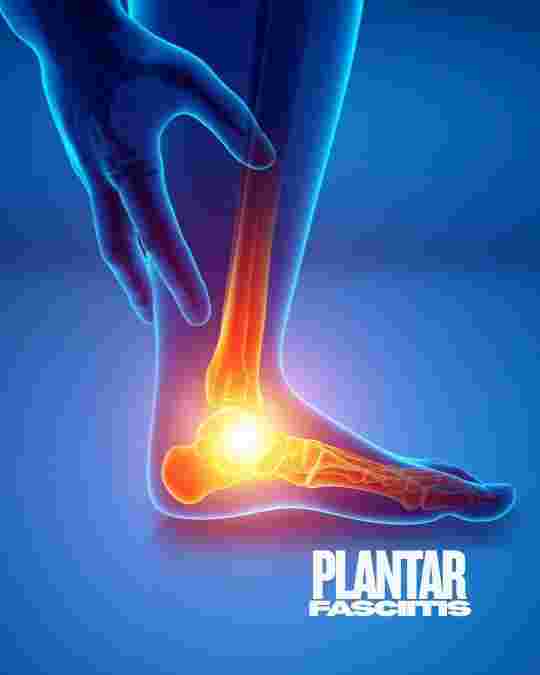
Plantar fasciitis causes heel pain due to inflammation of the tissue along the bottom of the foot. It commonly develops in players who:
-
Increase activity too quickly
-
Play multiple days in a row
-
Wear improper footwear
Stress Fractures and Overuse Injuries
Repetitive impact on the court can lead to stress fractures, particularly in the metatarsals or heel bone. These injuries often develop gradually and worsen without rest.
Who Is Most at Risk for Pickleball Foot and Ankle Injuries?
Adults Over 50
Adults aged 50 and older account for the majority of pickleball-related injuries treated in emergency departments.³ Contributing factors include:
-
Decreased tendon elasticity
-
Reduced balance
-
Pre-existing arthritis
-
Returning to activity after long periods of inactivity
Recreational Athletes Ages 30–50
This group is especially at risk for:
-
Achilles tendon rupture
-
Acute ankle sprains
-
Calf strains
“For those getting back into an active lifestyle, regular stretching is critical,” says Dr. Zhao. “Devices like a step stretcher can be a simple and effective way to improve calf flexibility and reduce injury risk.”
How to Prevent Pickleball Foot and Ankle Injuries
Many pickleball foot and ankle injuries are preventable with a few simple strategies:
-
Warm up with light cardio and dynamic stretching before play
-
Wear court-specific shoes with strong lateral support
-
Increase activity gradually to avoid overuse
-
Strengthen calves and improve balance
-
Pay attention to early pain, especially in the heel or Achilles
Taking a few minutes to prepare can significantly reduce your risk of injury.
When to See a Foot and Ankle Specialist
Seek medical evaluation if you experience:
-
A sudden pop in the back of the ankle
-
Significant swelling or bruising
-
Persistent heel pain lasting more than one week
-
Frequent or recurrent ankle sprains
-
Difficulty bearing weight
Early diagnosis and treatment can help prevent long-term complications and speed recovery.
Stay Active — Protect Your Feet and Ankles
Pickleball offers excellent health benefits, but the rise in pickleball foot and ankle injuries highlights the importance of preparation and injury prevention.
With proper conditioning, stretching, footwear, and awareness, players of all ages can enjoy pickleball safely. For those experiencing foot or ankle pain, timely evaluation by an orthopedic specialist can support recovery and a safe return to activity. Appointments are available with Dr. Zhao (external link) and our orthopedic foot and ankle team.
References
-
Sports & Fitness Industry Association (SFIA). 2023 Topline Participation Report.
-
USA Pickleball Association. Growth Statistics Report.
-
National Electronic Injury Surveillance System (NEISS) data analysis, 2010–2019.
-
Erickson BJ, et al. Epidemiology of Achilles tendon ruptures in the United States. Orthop J Sports Med. 2017.