Concussions in Soccer
Soccer Injuries Explained: Concussions — Signs, Symptoms, and Safe Return to Play
As fans around the world tune in to the FIFA World Cup, they expect to see spectacular goals, dramatic saves, and intense competition. What many may not expect are the split-second collisions that can result in potentially serious head injuries.

Summer Ott, PsyD
One recent example involved Qatar goalkeeper Mahmud Abunada, who remained in the match after a forceful collision that resulted in a direct blow to the head. While not every head impact results in a concussion, moments like these highlight the importance of understanding how medical teams evaluate players after significant contact. Summer Ott, PsyD, associate professor and director of the Concussion Program in the Department of Orthopedic Surgery at UTHealth Houston (external link), affiliated with Memorial Hermann Rockets Sports Medicine Institute, explains what players, coaches, parents and fans should know about concussions in soccer.
How Common Are Concussions in Soccer?
When people think about soccer injuries, they often think of ACL tears, ankle sprains, or muscle strains. Concussions may not occur at the same rate as these injuries, but they remain an important part of the conversation.
Research has shown that concussions occur in soccer at every level of play, from youth leagues to professional competition. Studies have also found that female soccer players experience higher rates of concussion than their male counterparts. Researchers continue to explore several possible reasons, including differences in reporting behaviors, neck strength, and hormonal factors.
As awareness grows, concussion recognition has become a larger focus among athletes, coaches, and medical professionals.
How Do Concussions Happen During Soccer Matches?
Many fans assume concussions occur when players head the ball. While that can happen, it is not the most common cause.
Concussions often result from player-to-player contact during aerial challenges, particularly when two athletes collide while competing for a header. Players may also sustain head injuries after striking the ground, colliding with another player, or taking a direct blow to the face or head by a kicked ball.
Because soccer is played at high speed and often involves multiple athletes competing for possession simultaneously, these incidents can happen in an instant.
“When athletes are going up for headers, they may collide heads with an opposing player attempting to make the same play. That’s the primary mechanism of concussion we see among soccer players who come to our clinic for treatment.” — Summer Ott, PsyD
What Signs Do Medical Teams Watch for After a Head Impact?
When a player takes a significant hit, medical teams immediately begin looking for signs that could indicate a concussion.
Some warning signs are obvious. An athlete may remain motionless, appear slow to get up, hold their head, or seem disoriented. However, identifying a concussion is not always straightforward.
Modern soccer increasingly relies on video review to help medical staff evaluate incidents from multiple angles. These replays can reveal details that may not have been visible from the sideline and help determine whether a player needs further examination.
The speed of the game can make these evaluations challenging, but early recognition remains critical.
“The sooner the evaluation is done, the diagnosis is made, and the athlete is properly treated, the better the outcome.” — Summer Ott, PsyD
Can a Player Have a Concussion Without Losing Consciousness?
One of the most common misconceptions about concussions is that an athlete must lose consciousness to have one, Ott said.
Most concussions do not involve blacking out. Ott notes that research suggests only a small percentage of concussions include a loss of consciousness.
Another misconception is that a player must be struck directly in the head. A concussion can occur when a forceful impact to another part of the body causes the brain to move rapidly within the skull.
Athletes may also underestimate their symptoms in the heat of competition.
During major events such as the World Cup, players have spent years preparing for an opportunity that may never come again. High adrenaline levels and the desire to remain in the game can make it difficult for athletes to recognize that they have been injured.
“With a concussion, athletes may genuinely lack insight into what is happening. They may not recognize that something is wrong.” — Summer Ott, PsyD
What Parents and Coaches Should Watch for After a Game
Not every concussion occurs after a dramatic collision that draws attention from fans and officials.
Some head impacts appear minor at the time and may not raise immediate concerns. Symptoms can develop hours or even days later.
Parents and coaches should pay attention to athletes who seem unusually irritable, complain of headaches, dizziness, or changes in sleep patterns, or who show behavior changes after a game or practice.
Young athletes often lack access to comprehensive medical resources on the sidelines, making home observation especially important.
If something seems off, it is worth taking seriously.
Why Athletes Should Never Ignore Possible Concussion Symptoms
Athletes are competitors by nature. Many want to stay on the field and help their team, especially during important matches.
However, continuing to play with a possible concussion can increase the risk of prolonged symptoms and a longer recovery.
Research has shown that athletes who remain in competition after a concussion may take longer to recover than those who are removed immediately and properly evaluated.
In rare cases, a second head injury before full recovery can lead to severe neurological complications.
For that reason, concussion experts emphasize a simple rule: if there is concern about a concussion, remove the athlete from play and immediately seek medical evaluation.
“When in doubt, sit them out.” — Summer Ott, PsyD
How the Return-to-Play Process Works
Returning to competition after a concussion involves much more than waiting for symptoms to disappear.
Most athletes follow a structured progression that begins with removal from play and medical evaluation. After a brief period of rest, they gradually increase activity under supervision.
The process typically starts with light aerobic exercise before progressing to sport-specific activities, conditioning, controlled contact, and eventually full practice. Mild symptom increases may be acceptable during the very early, non-contact stages of recovery, but athletes should be symptom-free before returning to full-contact practice and competition.
“While recovery timelines vary, the goal remains the same: a safe return to competition without risking further injury,” Ott said.
The Bottom Line on Concussions in Soccer
As the World Cup showcases the skill, speed, and passion that make soccer the world’s most popular sport, it also offers opportunities to better understand the injuries that can occur during competition.
Concussions remain one of the most important injuries to recognize and evaluate promptly due to the potential for serious consequences if they are missed or improperly managed. Whether you’re watching the world’s best players compete, coaching a youth team, or cheering from the sidelines, understanding the signs and symptoms can help protect athletes at every level of the game.
Early recognition, proper medical evaluation, and a carefully managed return-to-play process remain the best strategies for keeping soccer players safe and healthy both on and off the field.
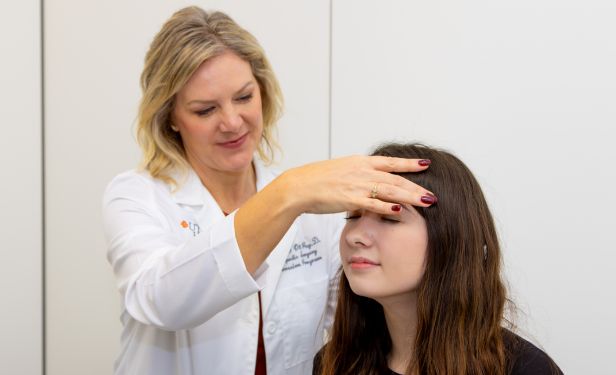
Summer Ott, PsyD, evaluates a patient as part of a comprehensive concussion assessment.
Concerned About a Possible Concussion?
Headaches, dizziness, balance problems, vision changes, and difficulty concentrating can all be signs of a concussion. If you or a loved one is experiencing concussion symptoms after a sports injury, early evaluation and treatment are essential for a safe recovery.
Summer Ott, PsyD (external link), and the concussion specialists at UTHealth Houston provide comprehensive concussion care for athletes of all ages, from youth soccer players to elite competitors.
Click here to request an appointment with our concussion team today.