Distal Radius Fracture
A distal radius fracture is one of the most common wrist injuries and occurs when the radius bone breaks near the wrist joint. This type of fracture often results from a fall onto an outstretched hand, and it can affect wrist movement, strength, and alignment. Therefore, prompt evaluation and treatment by an orthopedic specialist are important to restore proper function and prevent long-term complications.
What Is a Distal Radius Fracture?
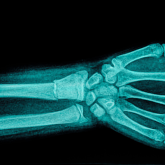
The radius is one of the two bones in the forearm and plays a key role in wrist motion and stability. When a bone near the wrist breaks, it can cause a distal radius fracture and disrupt normal alignment. These fractures can range from simple cracks to complex breaks involving multiple fragments or the joint surface.
Common Symptoms of a Distal Radius Fracture
Symptoms of a distal radius fracture may include:
- Immediate wrist pain following injury
- Swelling and tenderness around the wrist
- Bruising or discoloration
- Visible deformity or abnormal wrist position
- Limited range of motion or inability to use the wrist
- Numbness or tingling in the hand or fingers
If you experience wrist pain or swelling after a fall or injury, you should seek prompt orthopedic evaluation.
Causes and Risk Factors
Distal radius fractures commonly occur due to:
- Falls onto an outstretched hand
- Sports-related injuries
- Motor vehicle accidents
- Osteoporosis or weakened bones
- High-impact trauma
As a result, older adults and individuals with low bone density face an increased risk, but these fractures can occur at any age.
How Are Distal Radius Fractures Diagnosed?
Diagnosis typically begins with a physical examination and a review of the injury. Then, providers commonly use X-rays to confirm the fracture and assess bone alignment. In more complex cases, they may recommend advanced imaging, such as CT scans, to evaluate joint involvement or fracture severity.
Distal Radius Fracture Treatment Options
Non-Surgical Treatment Options
- Immobilization with a splint or cast
- Activity restriction to allow healing
- Pain management and swelling control
- Follow-up imaging to monitor healing progress
Surgical Treatment
In some cases, surgeons may recommend surgery for unstable, displaced, or joint-involved fractures. During surgery, they may use internal fixation with plates and screws to restore proper alignment and stability.
Recovery and Rehabilitation
After immobilization or surgery, providers may recommend physical or occupational therapy to restore wrist strength, flexibility, and function. Recovery time varies depending on fracture severity, treatment approach, and individual healing response.
When to See an Orthopedic Specialist
You should seek orthopedic care immediately if you experience wrist pain, swelling, or deformity following a fall or injury. Early treatment improves healing outcomes and helps reduce the risk of long-term stiffness, weakness, or arthritis.
Expert Orthopedic Care at UTHealth Houston Orthopedics
Our orthopedic specialists provide comprehensive care for distal radius fractures, from initial diagnosis to advanced surgical management and rehabilitation. If you have sustained a wrist injury or suspect a fracture, you can request an appointment (external link) for expert evaluation and personalized treatment.