Finger Dislocation
A finger dislocation occurs when the bones of a finger are forced out of their normal alignment at a joint. This injury is often caused by trauma or sports-related accidents and can affect the finger’s stability, movement, and function.
Prompt evaluation and treatment by an orthopedic specialist are important for properly realigning the joint, relieving pain, and preventing long-term stiffness or instability.
What Is a Finger Dislocation?
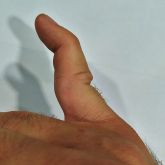
A finger dislocation occurs when the bones that form a joint in the finger move out of their normal position. Most finger dislocations occur at the proximal interphalangeal (PIP) joint, which is the middle joint of the finger. However, they can also affect the distal interphalangeal (DIP) joint near the fingertip or the metacarpophalangeal (MCP) joint at the base of the finger.
In addition to the dislocation itself, the injury may also damage surrounding ligaments, tendons, and the joint capsule. As a result, these injuries can affect joint stability, slow healing, and limit finger function if left untreated.
Common Symptoms of a Finger Dislocation
Symptoms usually occur immediately after injury and may include:
- Severe finger pain
- Visible deformity or abnormal positioning of the finger
- Swelling and bruising
- Difficulty or inability to move the finger
- Joint instability or looseness
- Numbness or tingling if nerves are affected
If you notice a visibly deformed finger or cannot move your finger after an injury, seek immediate medical evaluation. Prompt treatment can help restore proper alignment and reduce the risk of permanent joint damage.
Causes and Risk Factors
In most cases, a finger dislocation occurs when significant force is applied to the finger. Common causes include:
- Sports injuries (such as basketball, football, or volleyball)
- Falls onto the hand
- Direct impact or forceful bending of the finger
- Workplace or recreational accidents
Certain activities can also increase your risk. For example, participating in contact sports or activities that involve catching, gripping, or repetitive hand movements may increase the risk of finger dislocations.
An orthopedic specialist at UTHealth Houston can evaluate the injury and recommend the most appropriate treatment based on its severity.
How Is a Finger Dislocation Diagnosed?
To diagnose a finger dislocation, your orthopedic provider will begin with a physical examination and discuss how the injury occurred. During the exam, they will evaluate the position of the finger, assess swelling, and test your range of motion.
Next, X-rays are typically performed to confirm the dislocation and identify any associated fractures or joint damage. In addition, imaging helps guide treatment and confirms that the joint is properly aligned after reduction.
Finger Dislocation Treatment Options
Non-Surgical Treatments
Many finger dislocations can be treated without surgery, especially when treatment begins soon after the injury. Depending on the severity of the dislocation, treatment options may include:
- Closed reduction (manually repositioning the joint)
- Splinting or buddy taping to protect the finger during healing
- Pain management and anti-inflammatory medications
- Early guided motion to reduce stiffness
Surgical Treatment
Although many finger dislocations respond well to nonsurgical treatment, surgery may be necessary in more complex cases, including when:
- The joint cannot be properly realigned
- There are associated fractures
- Ligaments or tendons are severely damaged
- The joint remains unstable after reduction
The goal of surgery is to restore proper alignment, repair damaged structures, and improve long-term joint stability and function.
When to See an Orthopedic Specialist
You should seek orthopedic care if you experience:
- A visibly deformed finger
- Severe pain or swelling after injury
- Inability to move the finger
- Numbness, tingling, or weakness
Early evaluation and treatment can restore joint function, reduce pain, and help prevent long-term stiffness, instability, or loss of motion.
Expert Orthopedic Care at UTHealth Houston Orthopedics
Our orthopedic hand surgeons can provide comprehensive evaluation and personalized treatment for finger dislocations, from conservative care to advanced surgical options.
If you’re experiencing finger pain, swelling, deformity, or difficulty moving your finger after an injury, you can request an appointment (external link) to receive expert care and restore healthy hand function.