Ganglion Cyst
A ganglion cyst is a noncancerous lump that commonly develops along the tendons or joints of the wrist or hand. These cysts are filled with a jelly-like fluid and can vary in size, sometimes appearing suddenly or changing over time.
While ganglion cysts are typically harmless, they can cause discomfort, pain, or interfere with movement. Evaluation by an orthopedic specialist can help determine the best treatment approach.
What Is a Ganglion Cyst?
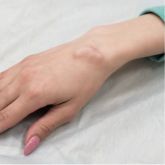
A ganglion cyst is a fluid-filled sac that forms near joints or tendons, most commonly on the back (dorsal side) of the wrist, but it can also appear on the palm side or at the base of the fingers.
These cysts are connected to the underlying joint or tendon sheath and are filled with synovial fluid—the same fluid that lubricates joints. The size of a ganglion cyst may increase or decrease over time and may become more noticeable with activity.
Common Symptoms of a Ganglion Cyst
Some ganglion cysts cause no symptoms, while others may lead to:
- A visible lump on the wrist or hand
- Pain or discomfort, especially with movement
- A feeling of pressure or fullness
- Limited range of motion
- Tingling or numbness if the cyst presses on nearby nerves
If you notice a new lump or experience wrist or hand discomfort, an orthopedic evaluation is recommended.
Causes and Risk Factors
The exact cause of ganglion cysts is not always known, but they may be related to joint or tendon irritation.
Possible contributing factors include:
- Repetitive wrist or hand movements
- Joint or tendon injuries
- Underlying joint conditions such as arthritis
- Weakness in the joint capsule or tendon sheath
Ganglion cysts can occur in people of all ages but are most common in young adults.
An orthopedic specialist at UTHealth Houston can evaluate the cyst and recommend appropriate care.
How Is a Ganglion Cyst Diagnosed?
Diagnosis typically begins with a physical examination and a review of symptoms. Orthopedic providers will assess the size, location, and characteristics of the cyst.
In many cases, the diagnosis can be made clinically. Additional tests may include:
- Transillumination (shining a light through the cyst to confirm it is fluid-filled)
- Ultrasound or MRI to evaluate deeper or atypical cysts
- X-rays to rule out underlying joint conditions
Ganglion Cyst Treatment Options
Non-Surgical Treatments
Many ganglion cysts do not require treatment if they are not causing symptoms. Non-surgical options include:
- Observation and monitoring
- Activity modification
- Wrist splinting to reduce irritation
- Aspiration (draining the fluid with a needle)
Surgical Treatment
If the cyst is painful, recurrent, or affecting function, surgical removal may be recommended.
Surgical options include:
- Excision of the cyst and its connection to the joint or tendon sheath
Surgery aims to remove the cyst and reduce the likelihood of recurrence.
When to See an Orthopedic Specialist
You should seek orthopedic care if you experience:
- A persistent or growing lump on the wrist or hand
- Pain or discomfort with movement
- Numbness or tingling
- Limited function or range of motion
An orthopedic specialist can confirm the diagnosis and discuss appropriate treatment options.
Expert Orthopedic Care at UTHealth Houston Orthopedics
Our orthopedic hand surgeons can provide comprehensive evaluation and personalized treatment, from conservative care to advanced surgical options. If you’re experiencing wrist pain, hand numbness, or tingling, you can request an appointment (external link) to receive expert care and lasting relief.