Golfer’s Elbow (Medial Epicondylitis)
Overview
Medial epicondylitis causes pain on the inner side of the elbow when tendons become irritated or inflamed at their attachment to the medial epicondyle. Early evaluation and treatment by an orthopedic specialist helps relieve pain, restore function, and prevent chronic symptoms.
What Is Golfer’s Elbow?
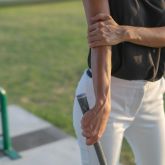
Inner elbow pain during gripping activities is a common symptom of golfer’s elbow.
Golfer’s elbow occurs when the tendons that attach to the medial epicondyle (the bony bump on the inner side of the elbow) become irritated or damaged, often due to overuse. This condition specifically affects the inner part of the elbow.
Despite its name, this condition is not limited to golfers and can occur in anyone who performs repetitive arm or wrist movements.
Common Symptoms of Golfer’s Elbow
Symptoms typically develop gradually and may worsen with activity. Common signs include:
- Pain on the inner side of the elbow
- Tenderness at the inner elbow
- Pain that worsens with gripping, lifting, or wrist flexion
- Weakness in the forearm or hand
- Stiffness or discomfort with activity
If you are experiencing persistent inner elbow pain, an orthopedic evaluation is recommended.
Causes and Risk Factors
Medial epicondylitis is usually caused by repetitive stress or overuse of the forearm muscles and tendons that control wrist flexion and gripping.
Common causes include:
- Repetitive wrist flexion or forearm motions
- Improper technique during sports or activities such as golf or throwing sports
- Overuse from work-related tasks
- Sudden increase in activity level
Risk factors may include:
- Occupations involving repetitive hand or wrist flexion
- Participation in golf, throwing sports, or racquet sports
- Poor ergonomics
An orthopedic specialist at UTHealth Houston can evaluate your condition and determine contributing factors.
How Is Golfer’s Elbow Diagnosed?
Diagnosis begins with a physical examination and a review of symptoms and activity history. Orthopedic providers will assess pain location along the inner elbow, strength, and range of motion.
Imaging studies may include:
- X-rays to rule out other conditions
- MRI or ultrasound in some cases to evaluate tendon damage
These tests help confirm the diagnosis and guide treatment planning.
Golfer’s Elbow Treatment Options
Non-Surgical Treatments
Most cases of medial epicondylitis improve with non-surgical treatment, including:
- Activity modification
- Rest and anti-inflammatory medications
- Physical therapy focused on strengthening and stretching of the forearm flexor muscles
- Bracing or counterforce straps
- Corticosteroid or other injections in select cases
Surgery may be recommended for patients with persistent symptoms that do not improve with conservative care.
Surgical Treatment
Surgical options may include:
- Removal of damaged tendon tissue
- Repair or reattachment of the tendon at the medial epicondyle
The goal of surgery is to relieve pain and restore function.
When to See an Orthopedic Specialist
You should seek orthopedic care if you experience:
- Persistent inner elbow pain
- Pain that worsens with activity
- Weakness or difficulty gripping objects
- Symptoms that do not improve with rest
Early evaluation can help prevent chronic tendon damage and improve outcomes.
Expert Orthopedic Care at UTHealth Houston Orthopedics
Our orthopedic hand surgeons can provide comprehensive evaluation and personalized treatment, from conservative care to advanced surgical options. If you’re experiencing wrist pain, hand numbness, or tingling, you can request an appointment (external link) to receive expert care and lasting relief.