Neuromuscular Hand Conditions
Neuromuscular hand conditions are disorders that affect the nerves and muscles controlling movement and sensation in the hand. These conditions can lead to weakness, numbness, loss of coordination, and difficulty performing everyday tasks.
Early evaluation and treatment by an orthopedic specialist are important for identifying the underlying cause, managing symptoms, and preserving hand function.
What Are Neuromuscular Hand Conditions?
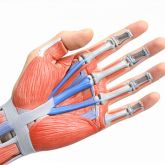
Neuromuscular hand conditions involve dysfunction of the nerves and muscles that work together to control hand movement and sensation. When these systems are disrupted, it can affect strength, coordination, and fine motor skills.
These conditions may involve:
- Nerve compression or injury
- Muscle weakness or imbalance
- Loss of coordination or control
- Changes in sensation
Common examples include carpal tunnel syndrome, ulnar nerve compression, and other nerve-related disorders affecting the upper extremity.
Common Symptoms of Neuromuscular Hand Conditions
Symptoms can vary depending on the specific condition but often include:
- Numbness or tingling in the hand or fingers
- Muscle weakness or loss of grip strength
- Difficulty with fine motor tasks (buttoning, writing)
- Muscle wasting (atrophy) in the hand
- Pain or discomfort along the nerve pathway
- Loss of coordination or dexterity
If you are experiencing persistent nerve-related symptoms, an orthopedic evaluation is recommended.
Causes and Risk Factors
Neuromuscular hand conditions can develop due to a variety of factors, including:
- Nerve compression (such as carpal or cubital tunnel syndrome)
- Repetitive hand or wrist movements
- Trauma or injury to nerves or muscles
- Systemic conditions such as diabetes
- Neurological disorders affecting nerve function
Risk factors may include repetitive activities, prolonged pressure on nerves, or underlying health conditions.
An orthopedic specialist at UTHealth Houston can help determine the cause and guide treatment.
How Are Neuromuscular Hand Conditions Diagnosed?
Diagnosis begins with a physical examination and a detailed review of symptoms and medical history. Orthopedic providers will assess strength, sensation, coordination, and reflexes.
Diagnostic testing may include:
- Nerve conduction studies and electromyography (EMG)
- Imaging, such as MRI, to evaluate surrounding structures
- Functional assessments of hand movement
These tests help identify nerve involvement and determine the severity of the condition.
Neuromuscular Hand Condition Treatment Options
Non-Surgical Treatments
Many neuromuscular conditions can be managed with conservative care, including:
- Activity modification and ergonomic adjustments
- Splinting or bracing
- Anti-inflammatory medications
- Physical or hand therapy
- Corticosteroid injections in certain cases
Surgical Treatment
Surgery may be recommended for more severe or persistent conditions, including:
- Nerve decompression procedures
- Nerve repair or reconstruction
- Tendon transfers to restore function
- Release of structures compressing nerves
The goal of surgery is to relieve nerve pressure, restore function, and improve quality of life.
When to See an Orthopedic Specialist
You should seek orthopedic care if you experience:
- Persistent numbness or tingling
- Weakness or loss of hand function
- Difficulty with fine motor tasks
- Symptoms that worsen over time
Early evaluation can help prevent permanent nerve damage and improve outcomes.
Expert Orthopedic Care at UTHealth Houston Orthopedics
Our orthopedic hand surgeons can provide comprehensive evaluation and personalized treatment, from conservative care to advanced surgical options. If you’re experiencing wrist pain, hand numbness, or tingling, you can request an appointment (external link) to receive expert care and lasting relief.