Panner Disease (Elbow)
Overview
Panner disease is a rare condition that affects the capitellum, a part of the elbow joint, in young children. The condition temporarily disrupts blood flow to the bone, which can lead to pain, stiffness, and limited elbow motion.
Early evaluation and treatment by an orthopedic specialist can help relieve symptoms and support proper healing. However, most cases resolve with conservative care.
Panner disease is a rare condition that affects the capitellum (part of the elbow joint) in young children. It involves a temporary loss of blood supply to the bone, leading to pain, stiffness, and limited elbow motion.
Early evaluation and treatment by an orthopedic specialist are important for relieving symptoms and supporting proper healing, although most cases resolve with conservative care.
What Is Panner Disease?
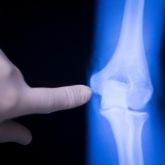
Panner Disease (elbow)
Panner disease is a form of osteochondrosis that occurs when a temporary disruption of the blood supply to a growing bone occurs. It most commonly affects children under the age of 10.
The condition affects the capitellum, a part of the distal humerus that helps form the elbow joint. Unlike osteochondritis dissecans (OCD), Panner disease typically does not produce loose fragments and usually heals completely over time.
Common Symptoms of Panner Disease
Symptoms often develop gradually and may include:
- Elbow pain, especially with activity
- Stiffness or decreased range of motion
- Swelling or tenderness
- Pain with movement or use of the arm
- Reduced ability to participate in sports
If a child is experiencing persistent elbow pain, an orthopedic evaluation is recommended.
Causes and Risk Factors
The exact cause of Panner disease is not always known. However, several factors may contribute to its development, including:
- Temporary disruption of blood flow to the capitellum
- Repetitive stress or overuse
- Growth-related changes in the bone
Risk factors may include:
- Young age (typically under 10 years old)
- Participation in sports involving repetitive arm use
- Rapid growth
An orthopedic specialist at UTHealth Houston can evaluate the condition and guide treatment.
How Is Panner Disease Diagnosed?
An orthopedic provider begins the diagnosis with a physical examination and a review of the child’s symptoms and activity history. During the exam, the provider will assess pain, motion, and overall elbow function.
Imaging studies may include:
- X-rays to evaluate changes in the capitellum
- MRI in some cases to assess bone health and blood supply
Together, these tests help confirm the diagnosis and rule out other conditions.
Panner Disease Treatment Options
Non-Surgical Treatments
Most children with Panner disease do not require surgery. Non-surgical treatment options include:
- Rest and activity modification
- Temporary restriction from sports
- Anti-inflammatory medications
- Physical therapy to restore motion
Over time, the bone typically heals as the blood supply returns, and symptoms gradually resolve.
Surgical Treatment
Surgery is rarely required for Panner disease.
When to See an Orthopedic Specialist
You should seek orthopedic care if a child experiences:
- Persistent elbow pain
- Stiffness or limited motion
- Pain during activity
- Symptoms that do not improve with rest
Early evaluation can help ensure an accurate diagnosis and support proper recovery.
Expert Orthopedic Care at UTHealth Houston Orthopedics
Our orthopedic hand surgeons can provide comprehensive evaluation and personalized treatment, from conservative care to advanced surgical options. If you’re experiencing wrist pain, hand numbness, or tingling, you can request an appointment (external link) to receive expert care and lasting relief.