Post-traumatic Stiffness (Elbow)
Overview
Post-traumatic stiffness of the elbow is a condition in which the joint becomes stiff and loses range of motion following an injury. This can make it difficult to fully bend or straighten the arm, impacting daily activities and overall function.
Early evaluation and treatment by an orthopedic specialist are important for restoring motion, reducing stiffness, and preventing long-term limitations.
What Is Post-Traumatic Elbow Stiffness?
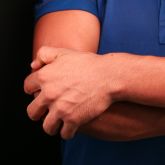
Post-traumatic elbow stiffness occurs when the soft tissues around the elbow—such as the joint capsule, ligaments, and muscles—become tight or scarred after an injury. In some cases, extra bone formation (heterotopic ossification) may also contribute to restricted motion.
This condition commonly develops after:
- Elbow fractures
- Dislocations
- Ligament injuries
- Surgery involving the elbow
Because the elbow requires a specific range of motion for everyday tasks, stiffness can significantly affect function.
Common Symptoms of Post-Traumatic Elbow Stiffness
Symptoms may develop gradually during recovery from an injury and can include:
- Limited ability to bend or straighten the elbow
- Stiffness or tightness in the joint
- Pain or discomfort with movement
- Difficulty performing daily activities
- Reduced strength or function
If you are experiencing persistent stiffness after an elbow injury, an orthopedic evaluation is recommended.
Causes and Risk Factors
Post-traumatic elbow stiffness can result from several factors, including:
- Scar tissue formation after injury or surgery
- Prolonged immobilization
- Inflammation of the joint
- Development of heterotopic ossification
- Severe or complex elbow injuries
Risk factors may include delayed rehabilitation, extensive injury, or limited early motion.
An orthopedic specialist at UTHealth Houston can evaluate your condition and determine contributing factors.
How Is Post-Traumatic Elbow Stiffness Diagnosed?
Diagnosis begins with a physical examination and a review of injury history and symptoms. Orthopedic providers will assess range of motion, joint stiffness, and functional limitations.
Imaging studies may include:
- X-rays to evaluate bone alignment and extra bone formation
- CT scans to assess structural blockages
- MRI in some cases to evaluate soft tissue involvement
These tests help determine the cause of stiffness and guide treatment planning.
Post-Traumatic Elbow Stiffness Treatment Options
Non-Surgical Treatments
Many cases can be managed with conservative treatment, including:
- Physical therapy focused on stretching and strengthening
- Splinting or bracing to gradually improve motion
- Anti-inflammatory medications
- Activity modification
Surgical Treatment
Surgery may be recommended for more severe or persistent stiffness.
Surgical options may include:
- Capsular release to improve joint mobility
- Removal of scar tissue or heterotopic bone
- Arthroscopic or open procedures to restore motion
The goal of surgery is to increase the range of motion, reduce stiffness, and improve function.
When to See an Orthopedic Specialist
You should seek orthopedic care if you experience:
- Persistent elbow stiffness after injury
- Difficulty bending or straightening the arm
- Limited motion affecting daily activities
- Symptoms that do not improve with therapy
Early evaluation can help prevent permanent loss of motion and improve outcomes.
Expert Orthopedic Care at UTHealth Houston Orthopedics
Our orthopedic hand surgeons can provide comprehensive evaluation and personalized treatment, from conservative care to advanced surgical options. If you’re experiencing wrist pain, hand numbness, or tingling, you can request an appointment (external link) to receive expert care and lasting relief.