Radial Head Fractures of the Elbow
Radial head fractures are among the most common elbow injuries and involve a break in the top portion of the radius—the forearm bone that helps form the elbow joint. These fractures can affect elbow motion, stability, and forearm rotation.
Prompt evaluation and treatment by an orthopedic specialist are important to ensure proper healing, restore movement, and prevent long-term complications.
What Are Radial Head Fractures?
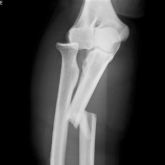
Radial head fractures of the elbow (x-ray)
The radial head is located at the top of the radius and articulates with the capitellum of the humerus, allowing for smooth elbow movement and forearm rotation.
Radial head fractures are commonly classified based on severity:
- Type I – small, non-displaced fractures
- Type II – displaced fractures with some misalignment
- Type III – comminuted fractures (multiple fragments)
- Type IV – fractures associated with elbow dislocation
Because the radial head plays a key role in elbow stability and motion, proper alignment is essential for recovery.
Common Symptoms of Radial Head Fractures
Symptoms typically occur after injury and may include:
- Pain on the outer side of the elbow
- Swelling and tenderness
- Difficulty bending or straightening the elbow
- Pain with forearm rotation (turning the palm up or down)
- Reduced range of motion
- Bruising in some cases
If you experience elbow pain after a fall or injury, an orthopedic evaluation is recommended.
Causes and Risk Factors
Radial head fractures are usually caused by trauma. Common causes include:
- Falls onto an outstretched hand
- Direct impact to the elbow
- Sports injuries
- Motor vehicle accidents
Risk factors may include:
- High-impact activities
- Osteoporosis or decreased bone density
- Previous elbow injuries
An orthopedic specialist at UTHealth Houston can evaluate your injury and determine the appropriate treatment.
How Are Radial Head Fractures Diagnosed?
Diagnosis begins with a physical examination and a review of how the injury occurred. Orthopedic providers will assess pain, motion, and joint stability.
Imaging studies may include:
- X-rays to confirm the fracture and assess alignment
- CT scans for more detailed evaluation in complex cases
- MRI in some cases to evaluate associated soft tissue injuries
These tests help determine the severity of the fracture and guide treatment planning.
Radial Head Fracture Treatment Options
Non-Surgical Treatments
Many radial head fractures can be treated without surgery, especially if the fracture is stable. Treatment options include:
- Immobilization with a sling or splint
- Early range-of-motion exercises to prevent stiffness
- Pain management
- Activity modification during healing
Surgical Treatment
Surgery may be recommended for displaced or complex fractures.
Surgical options may include:
- Open reduction and internal fixation (ORIF)
- Radial head excision (removal) in select cases
- Radial head replacement
The goal of surgery is to restore alignment, maintain stability, and preserve elbow function.
When to See an Orthopedic Specialist
You should seek orthopedic care if you experience:
- Elbow pain after a fall or injury
- Swelling or limited motion
- Difficulty rotating the forearm
- Persistent symptoms that do not improve
Early evaluation can help prevent complications such as stiffness, instability, or long-term functional limitations.
Expert Orthopedic Care at UTHealth Houston Orthopedics
Our orthopedic hand surgeons can provide comprehensive evaluation and personalized treatment, from conservative care to advanced surgical options. If you’re experiencing wrist pain, hand numbness, or tingling, you can request an appointment (external link) to receive expert care and lasting relief.