Scaphoid Fracture
A scaphoid fracture is a break in one of the small bones of the wrist, located near the base of the thumb. This injury is common after a fall onto an outstretched hand and can be difficult to detect early. Prompt evaluation by an orthopedic specialist is essential, as untreated scaphoid fractures can lead to poor healing and long-term wrist complications.
What Is a Scaphoid Fracture?
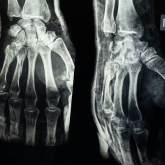
The scaphoid is one of the carpal bones in the wrist and plays a critical role in wrist stability and movement. A scaphoid fracture typically occurs when force is transmitted through the wrist during a fall or impact.
Because the blood supply to the scaphoid is limited, especially in certain areas of the bone, fractures may heal slowly or not at all without proper treatment. Early diagnosis is key to preventing complications such as nonunion or arthritis.
Common Symptoms of a Scaphoid Fracture
- Pain on the thumb side of the wrist
- Tenderness in the “anatomical snuffbox” (base of the thumb)
- Swelling in the wrist
- Pain with gripping, pinching, or wrist movement
- Decreased range of motion
- Symptoms that may seem mild and worsen over time
Because symptoms can be subtle, some patients delay care, increasing the risk of complications.
Causes and Risk Factors
Scaphoid fractures most commonly result from:
- Falls onto an outstretched hand
- Sports injuries
- Motor vehicle accidents
- High-impact trauma
Young adults and athletes are at higher risk due to higher activity levels, but this injury can occur at any age.
How Are Scaphoid Fractures Diagnosed?
Diagnosis begins with a physical examination focusing on wrist tenderness and motion. X-rays are typically performed, but early fractures may not always be visible.
If a scaphoid fracture is suspected despite normal X-rays, advanced imaging such as an MRI or a CT scan may be recommended to confirm the diagnosis and assess the extent of the injury.
Scaphoid Fractures Treatment Options
Treatment depends on the location and severity of the fracture.
Non-Surgical Treatment Options
- Immobilization in a cast or splint, often including the thumb
- Activity restriction to allow proper healing
- Regular follow-up imaging to monitor bone healing
Surgical Treatment
Surgery may be recommended for displaced fractures, fractures in areas with poor blood supply, or those that fail to heal with casting. Surgical treatment typically involves placing a screw or hardware to stabilize the bone and promote healing.
Recovery and Rehabilitation
Healing time for scaphoid fractures can be longer than other fractures due to limited blood supply. Recovery may take several weeks to months. After immobilization or surgery, hand therapy may be recommended to restore wrist strength, flexibility, and function.
When to See an Orthopedic Specialist
You should seek care if you have wrist pain after a fall, especially if there is tenderness near the base of the thumb. Even mild symptoms can indicate a scaphoid fracture. Early evaluation improves healing and reduces the risk of complications such as nonunion or arthritis.
Expert Orthopedic Care at UTHealth Houston Orthopedics
Our orthopedic specialists provide comprehensive care for scaphoid fractures, from early diagnosis to advanced surgical management and rehabilitation. If you have wrist pain after an injury, you can request an appointment (external link) for expert evaluation and personalized treatment to ensure proper healing and restore function.