Thumb Fracture
A thumb fracture is a break in one of the bones of the thumb, which can significantly impact hand function, grip, and dexterity. Because the thumb plays a critical role in pinching and grasping, proper diagnosis and treatment are essential for full recovery.
Prompt evaluation by an orthopedic specialist can help ensure proper healing, restore function, and prevent long-term complications.
What Is a Thumb Fracture?
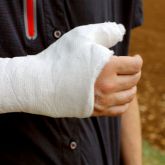
A thumb fracture occurs when one of the bones of the thumb is broken. The thumb consists of two phalanges (finger bones) and the first metacarpal (the bone connecting the thumb to the wrist).
Fractures can occur in different parts of the thumb, including:
- The distal phalanx (tip of the thumb)
- The proximal phalanx (middle portion)
- The base of the first metacarpal (near the wrist)
Some fractures may involve the joint (intra-articular fractures) or cause displacement, requiring more advanced treatment.
Common Symptoms of a Thumb Fracture
Symptoms typically occur immediately after injury and may include:
- Pain at the site of injury
- Swelling and bruising
- Tenderness to touch
- Difficulty moving the thumb
- Weakness or reduced grip strength
- Visible deformity in more severe cases
If you experience significant thumb pain or difficulty using your hand after an injury, an orthopedic evaluation is recommended.
Causes and Risk Factors
Thumb fractures are usually caused by trauma or force applied to the thumb. Common causes include:
- Falls onto an outstretched hand
- Sports injuries
- Direct blows or impact
- Motor vehicle accidents
Risk factors may include participation in sports, high-impact activities, or occupations involving manual labor.
An orthopedic specialist at UTHealth Houston can evaluate the injury and determine the appropriate treatment.
How Is a Thumb Fracture Diagnosed?
Diagnosis begins with a physical examination and a review of how the injury occurred. Orthopedic providers will assess pain, swelling, and thumb function.
X-rays are typically used to confirm the fracture and evaluate its location and alignment. In more complex cases, additional imaging such as CT scans may be used to assess joint involvement and guide treatment planning.
Thumb Fracture Treatment Options
Non-Surgical Treatments
Many thumb fractures can be treated without surgery, especially if the bones are well-aligned. Treatment options include:
- Immobilization with a thumb spica cast or splint
- Pain management
- Activity restriction during healing
- Follow-up imaging to monitor healing
Surgical Treatment
Surgery may be recommended for fractures that are displaced, unstable, or involve the joint.
Surgical options may include:
- Open reduction and internal fixation (ORIF) using screws or pins
- Percutaneous pinning
- Repair of associated ligament or soft tissue injuries
The goal of surgery is to restore proper alignment, stabilize the fracture, and preserve thumb function.
When to See an Orthopedic Specialist
You should seek orthopedic care if you experience:
- Persistent or severe thumb pain after injury
- Swelling or visible deformity
- Difficulty moving or using your thumb
- Weakness or loss of function
Early treatment is essential to prevent complications such as stiffness, malunion, or long-term functional limitations.
Expert Orthopedic Care at UTHealth Houston Orthopedics
Our orthopedic hand surgeons can provide comprehensive evaluation and personalized treatment, from conservative care to advanced surgical options. If you’re experiencing thumb pain, swelling, bruising, or difficulty moving your thumb after an injury, you can request an appointment (external link) to receive expert care and restore hand function.