Trigger Finger
Trigger finger is a common hand condition that causes finger stiffness, pain, and a catching or locking sensation when bending or straightening the finger. Orthopedic specialists diagnose and treat this condition to help patients regain smooth, pain-free finger movement and prevent long-term complications.
This condition occurs when inflammation narrows the space around the finger tendons, preventing normal movement through the tendon sheath. Early evaluation and treatment can relieve symptoms and restore hand function.
What Is Trigger Finger?
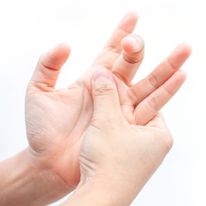
Trigger finger, also known as stenosing tenosynovitis, develops when the tendon sheath surrounding a finger or thumb becomes inflamed. As the tendon thickens, it may catch or lock during motion, causing pain and limited mobility. One or multiple fingers may be affected, and trigger finger symptoms can worsen without proper care.
Common Symptoms of Trigger Finger
- Finger stiffness, especially in the morning
- A popping, clicking, or catching sensation when moving the finger
- Finger locking in a bent position that may suddenly release
- Pain or tenderness at the base of the finger or thumb
- Swelling or a small lump near the palm
If you experience persistent symptoms such as finger pain, stiffness, or locking, we recommend that you be evaluated by one of our orthopedic providers.
Causes and Risk Factors
Trigger finger can develop due to:
- Repetitive gripping or hand use
- Prolonged use of tools or equipment
- Diabetes or rheumatoid arthritis
- Hormonal changes or pregnancy
- Prior hand injuries
- Certain occupational or recreational activities
How is Trigger Finger Diagnosed?
Trigger finger is usually diagnosed through a physical examination and discussion of symptoms. In most cases, imaging is not required. Diagnosis of trigger finger is typically based on finger movement, tenderness, and range of motion.
Trigger Finger Treatment Options
Treatment depends on symptom severity and duration.
Non-Surgical Treatment Options
- Activity modification and rest
- Splinting to limit finger motion
- Anti-inflammatory medications
- Corticosteroid injections to reduce tendon inflammation
Surgical Treatment
When conservative treatments do not provide relief, trigger finger release surgery may be recommended. This minimally invasive outpatient procedure releases the tightened tendon sheath, allowing the finger to move freely again.
When to See an Orthopedic Specialist
You should seek orthopedic care if finger locking, pain, or stiffness interferes with daily activities or continues despite non-surgical treatment. Early treatment of trigger finger can prevent permanent stiffness and improve long-term outcomes.
Expert Orthopedic Care at UTHealth Houston Orthopedics
Our orthopedic hand surgeons can provide comprehensive evaluation and personalized treatment, from conservative care to advanced surgical options. If you are experiencing symptoms such as pain, stiffness, or locking, you can request an appointment (external link) to receive expert care and restore normal hand function.