Revision Hip Replacement: When and Why It’s Needed
Revision Hip Replacement: Causes, Symptoms, and Recovery
Hip replacement is one of the most successful procedures in modern medicine, with newer implants lasting 20 to 30 years or longer. However, in some cases, some patients may eventually experience implant wear, loosening, or complications that require revision hip replacement.
Understanding the signs of a failed hip replacement, when revision surgery is necessary, and what recovery involves helps patients make informed decisions about long-term joint health.
What Is Revision Hip Replacement?
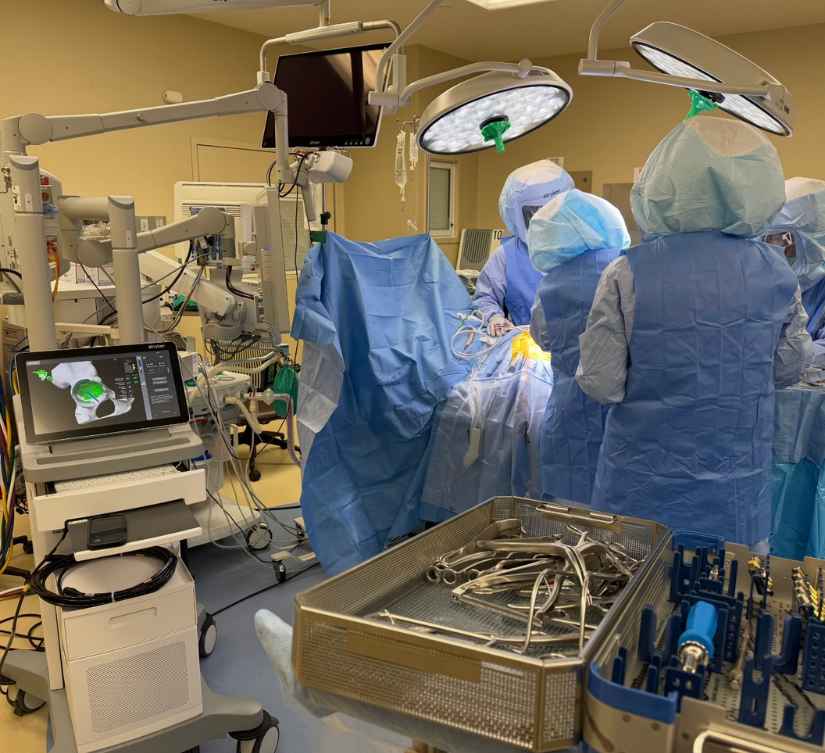
Revision hip replacement surgery.
Revision hip replacement is a procedure in which part or all of a previous hip implant is removed and replaced.
Unlike a primary hip replacement, revision surgery is a more complex procedure. It typically requires a longer recovery and a more detailed post-operative plan. Over time, original implants can loosen or wear down, often damaging the surrounding bone. Revision surgery addresses these specific failures, allowing the surgeon to restore hip mechanics, correct leg length, and ensure long-term joint function.
What Causes a Hip Replacement to Fail?
Although modern hip replacements are highly durable, failure can occur for several reasons:
- Infection
- Instability or recurrent dislocation
- Implant loosening over time
- Wear of the bearing surfaces
- Fracture around the implant
- Implant malalignment
- Bone loss around the components
As a result, accurate implant positioning during the initial surgery plays a significant role in long-term durability. Medical technological advances, such as robotic-assisted anterior hip replacement, are designed to optimize precision and may reduce complications and hip instability.
For more information, you can see our related article on Outpatient Robotic-Assisted Anterior Hip Replacement.
What Are the Symptoms of a Failed Hip Replacement?
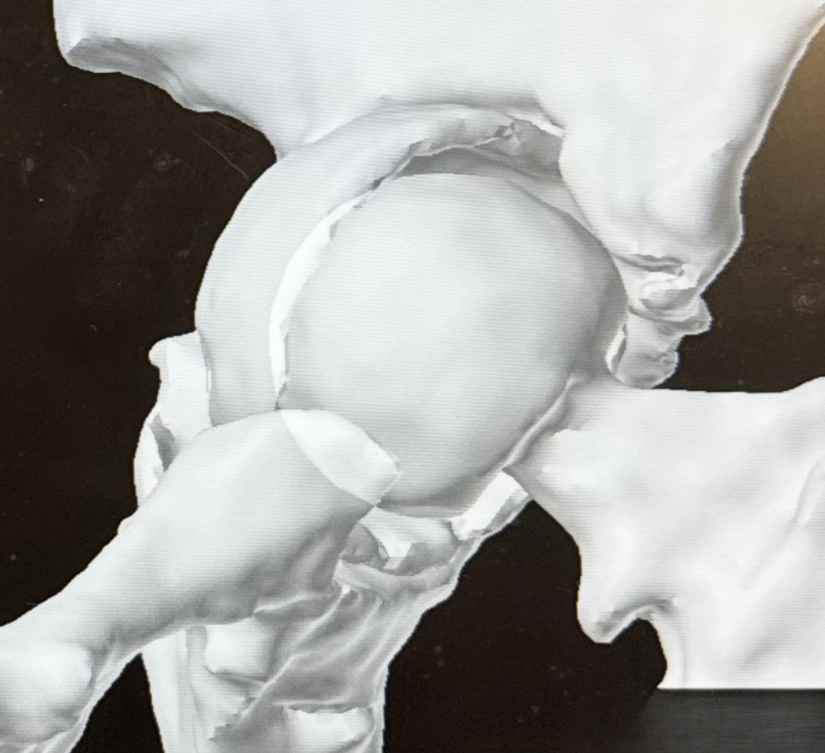
Cup implant loosening and eroding into the pelvic bone.
Patients experiencing hip implant failure may notice:
- Return of groin or thigh pain
- Persistent swelling
- Clicking, grinding, or instability
- Difficulty bearing weight
- Progressive loss of mobility
- A sensation that the hip is “giving way”.
Any new or worsening pain, even years after, should prompt an evaluation by an orthopedic specialist. Early diagnosis can help identify the cause and often allows for more straightforward, effective treatment.
Is Revision Hip Replacement More Complex Than Primary Surgery?
Revision hip replacement is generally more technically demanding than first-time hip replacement.
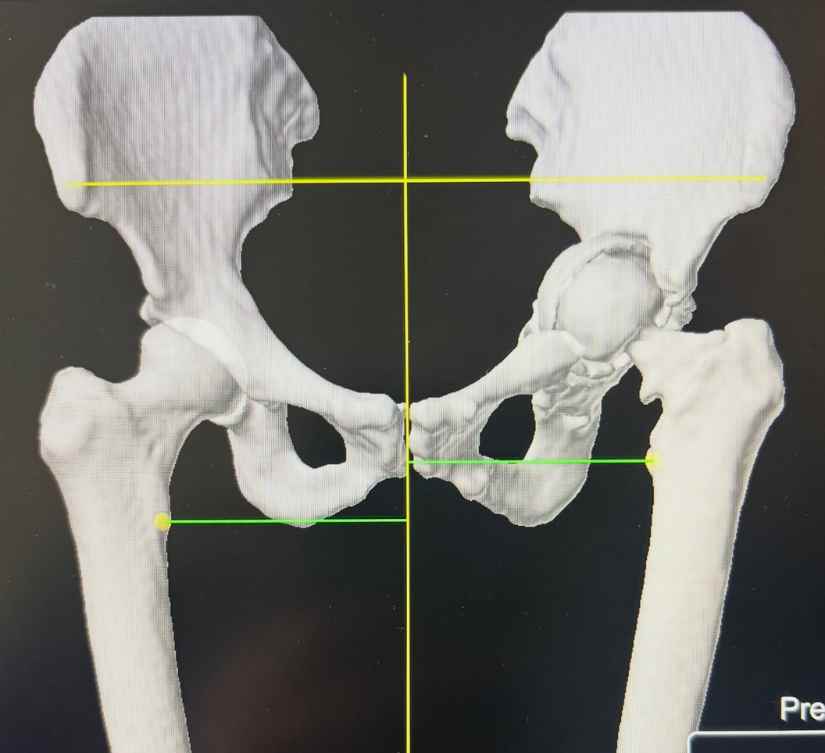
Revision hip replacement surgery planning.
Surgeons may need to:
- Remove well-fixed implants
- Reconstruct bone loss
- Use specialized revision components
- Restore soft tissue balance and stability
David Rodriguez-Quintana, MD, fellowship-trained total joint replacement orthopedic surgeon and associate professor at UTHealth Houston and UT Physicians, explains:

David Rodriguez-Quintana, MD, total joint replacement surgeon
“Revision hip replacement often involves challenges that are not present in primary surgery, including bone loss, need for safe previous implant removal, and restoration of hip mechanics. Each case requires detailed preoperative planning and an individualized surgical strategy to rebuild the hip in a way that restores both function and long-term durability.”
“Because each revision case is unique, careful preoperative planning, advanced imaging, and surgical expertise are critical to achieving stable, durable outcomes. New robotic strategies, such as MAKO revision total hip replacement, are now available to enable more accurate preoperative planning and intraoperative execution,” said Dr. Rodriguez.
What Is Recovery Like After Revision Hip Replacement?
In general, recovery after revision hip replacement depends on the reason for revision and the extent of reconstruction required.
In many cases, patients can expect:
- A short to mid hospital stay
- Temporary use of assistive devices
- Structured physical therapy
- Gradual return to activities over several months
While recovery may be longer than after primary hip replacement, most patients experience meaningful pain relief and improved function following successful revision surgery.
How Common Is Revision Hip Replacement?
Revision surgery is significantly less common than primary hip replacement. With modern implant materials and improved surgical precision, the majority of hip replacements function well for decades.
Proper implant alignment, restoration of hip biomechanics, and individualized surgical planning during the first procedure are key factors in reducing the risk of revision.
When Should You See a Specialist?
If you previously had a hip replacement and are now experiencing new groin or thigh pain, difficulty ambulating, or leg length discrepancy, a comprehensive evaluation can determine whether the implant remains stable or if a revision hip replacement is necessary.
Timely assessment helps prevent further bone loss and improves long-term outcomes.
Next Steps
If you are experiencing symptoms after a previous hip replacement and would like a comprehensive evaluation, we encourage you to contact Dr. Rodriguez’s offices in Katy or Memorial Villages to schedule a consultation. A detailed assessment can determine the cause of your symptoms and outline appropriate treatment options.
For more information about surgical techniques, advanced technology, and our comprehensive approach to care, visit our Total Joint Replacement page.