Ayala laboratory
Meet the Principal Investigator
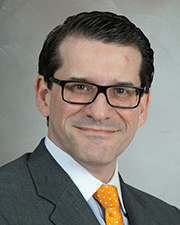
Gustavo Ayala, M.D.
Principal Investigator
Gustavo E. Ayala, MD is a urologic pathologist and Distinguished Chair in the Department of Pathology and Laboratory Medicine at UTHealth Houston, where he also directs the UT*Path Urologic Pathology Division. He trained at Georgetown and Yale, spent several years at Hahnemann in Philadelphia, and built much of his career as a tenured professor at Baylor College of Medicine before moving to UTHealth. Clinically he is one of the most consulted urologic pathologists in the country, but his lasting impact has been in research — he is widely regarded as the founder of the field now called cancer neuroscience.
His scientific arc began with the question of why prostate cancer so reliably tracks along nerves. In a 2001 paper in The Prostate, he introduced the in vitro dorsal root ganglion–prostate cancer coculture model that redefined perineural invasion: rather than passive nerve-following, he showed it is an active, specific, and reciprocal symbiosis in which cancer cells and the axons that surround them mutually reprogram one another. Over the next two decades he extended this idea into a broader theory of the neural microenvironment of cancer, mapping how axonogenesis and neurogenesis within a tumor drive growth, survival, and progression — work synthesized in his influential 2018 review in The Prostate and in the textbook-defining chapters he has contributed to the emerging Cancer Neuroscience literature.
The translational payoff of that program has been substantial. Reasoning that if nerves feed tumors, blocking nerves should starve them, he ran a first-in-human neoadjuvant clinical trial in which one side of the prostate was injected with botulinum toxin (Botox) and the contralateral side with saline before prostatectomy; the Botox-treated side showed significantly increased apoptosis of cancer cells, providing the first human evidence that pharmacologic denervation can be a cancer therapy. He has parallel preclinical work in breast cancer using the same nerve-blocking strategy, with slower growth and reduced aggressiveness, and a prospective prostate cancer biomarker trial built on the same biology.
His most recent landmark is the June 2025 Nature paper “Nerve-to-cancer transfer of mitochondria during cancer metastasis,” which showed that neurons donate their mitochondria to cancer cells through tunneling nanotubes — the very phenomenon depicted in the diagram in this conversation — and that the imported mitochondria boost the cancer cells’ energy production and resistance to metabolic stress, making them better metastasizers. Science magazine named the paper a runner-up for its Scientific Breakthroughs of 2025, recognition that put cancer neuroscience squarely on the map as a therapeutic frontier rather than a curiosity. Taken together, his work reframed perineural invasion from a histologic descriptor into a druggable axis of cancer biology, and Houston has been the center of that reframing for the better part of three decades.