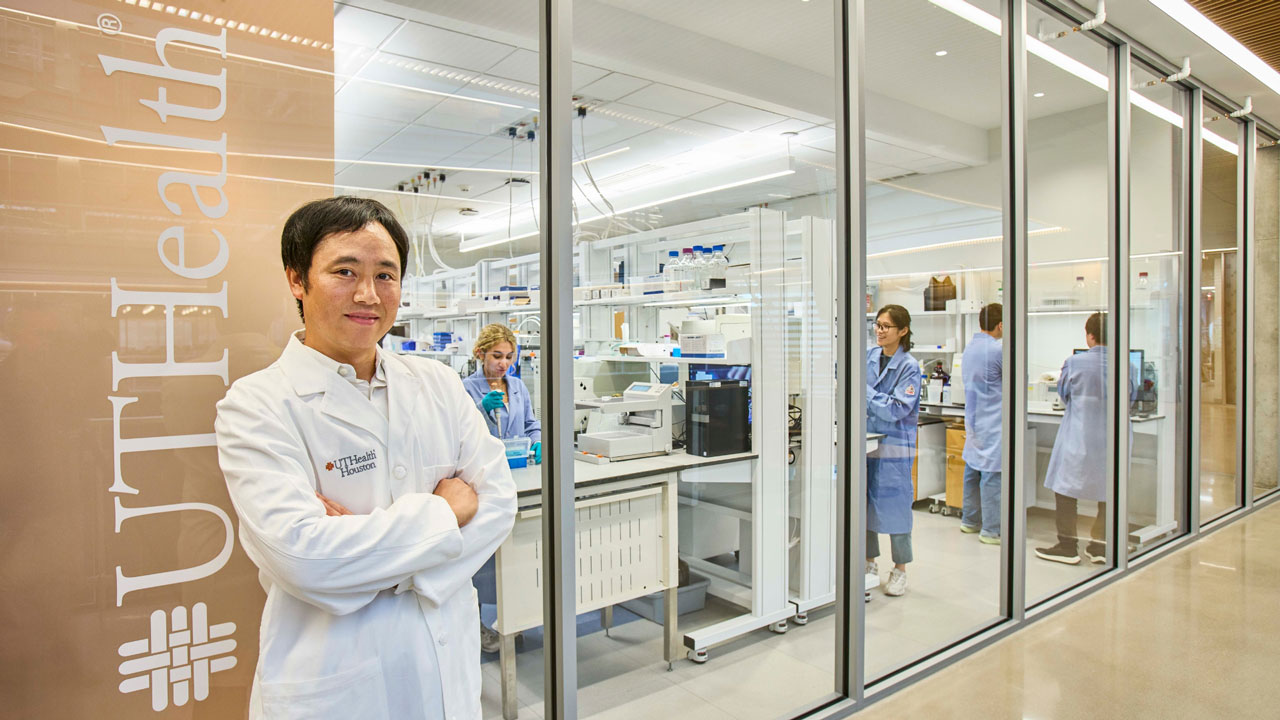
UTHealth Houston-developed cancer therapy platform takes major step toward clinical translation
CrossBridge Bio, a biotechnology company developing next-generation antibody-drug conjugates based on discoveries by researchers at UTHealth Houston, is taking a major step toward clinical translation after being acquired by Eli Lilly. The dual-payload antibody-drug conjugate technology was originally created by…
UTHealth Houston researchers awarded $2M to uncover a nonaddictive diabetic neuropathic pain therapy as the opioid crisis still looms in the US
Written by: Sydney Lowther / September 19, 2025 A $2 million grant awarded to UTHealth Houston by the National Institute of Neurological Disorders and Stroke, part of the National Institutes of Health, will allow researchers to develop a safe…

An wins ASPET scientific achievement award
The American Society for Pharmacology and Experimental Therapeutics (external link) (ASPET) has named Zhiqiang An, PhD, professor and Robert A. Welch Distinguished University Chair in Chemistry and vice president of Drug Discovery, as the winner of its 2024 Scientific Achievement Award in Drug Discovery and…
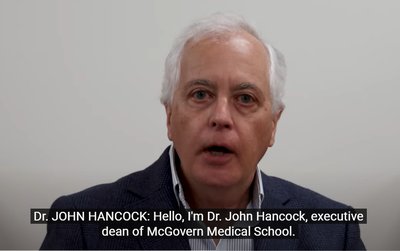
Hancock’s Headlines: Texas Therapeutics Institute
When the COVID pandemic hit, the Texas Therapeutics Institute sprung into action to develop therapies for patients suffering from the virus. Not only have they developed drugs to help fight COVID, but they are also developing neurological drugs to help…
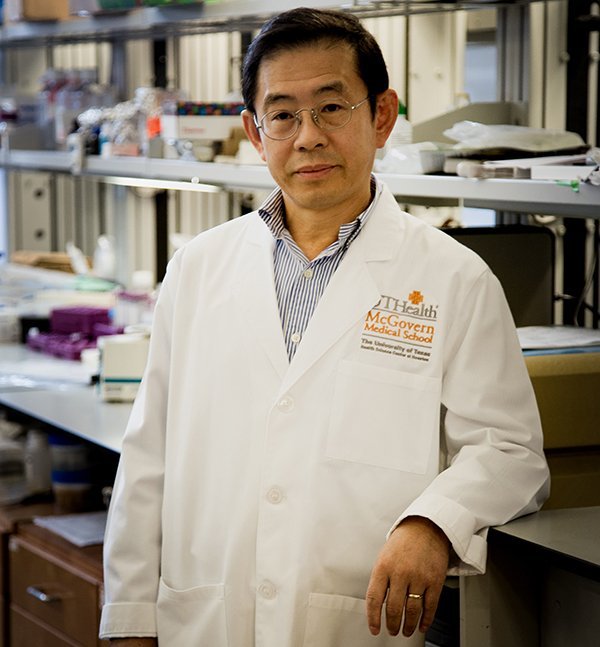
New antibody shows therapeutic effects in mice with Alzheimer’s disease (UTHealth Houston News)
Research led by senior author Zhiqiang An, PhD, professor and Robert A. Welch Distinguished University Chair in Chemistry at McGovern Medical School at UTHealth Houston, found that a tetra-variable domain antibody targeting the triggering receptor expressed on myeloid 2 (TREM2) –…
An earns National Academy of Inventors fellowship
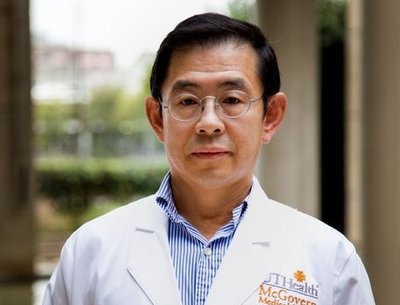
Zhiqiang An, PhD (external link), professor and director of the Texas Therapeutics Institute of the Brown Foundation Institute of Molecular Medicine and Graduate School faculty member, has been named a fellow of the National Academy of Inventors (NAI), the organization…
GW Researchers Identify Molecule That Blocks Immune Cells from Killing Breast Tumors
George Washington University researchers have identified a key molecule in certain kinds of breast cancers that prevent immune cells from entering tumors and killing the cancer cells inside—a finding that could pave the way toward new treatments for some aggressive…
UTHealth researcher awarded CPRIT grant to test potential large-molecule cancer drugs at preclinical development core facility
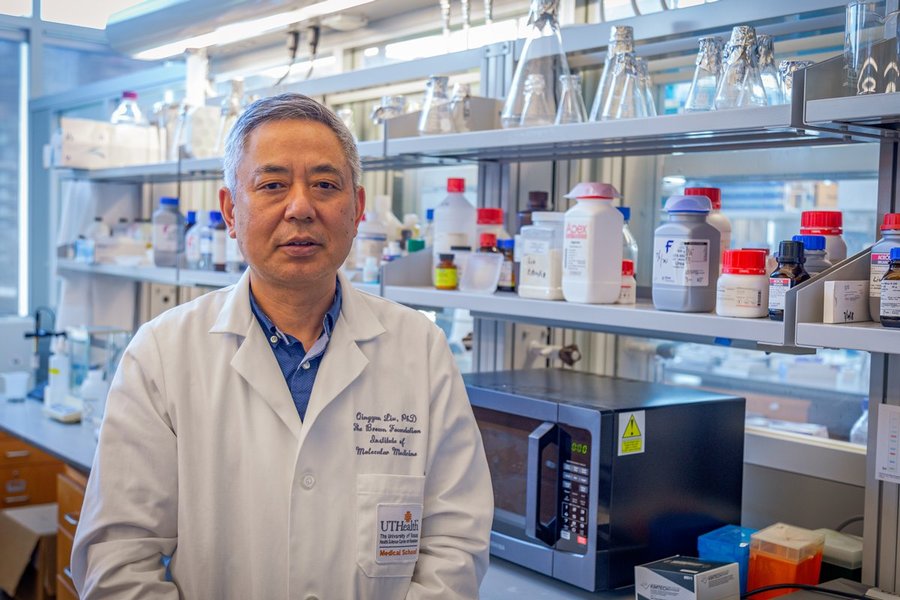
A preclinical development core where researchers can test the effectiveness of large molecule drug candidates for novel cancer treatments, led by Qingyun Liu, PhD, has been awarded a nearly $4 million grant from the Cancer Prevention and Research Institute of…
Research on antibody-drug conjugates shows promise in fighting breast cancer
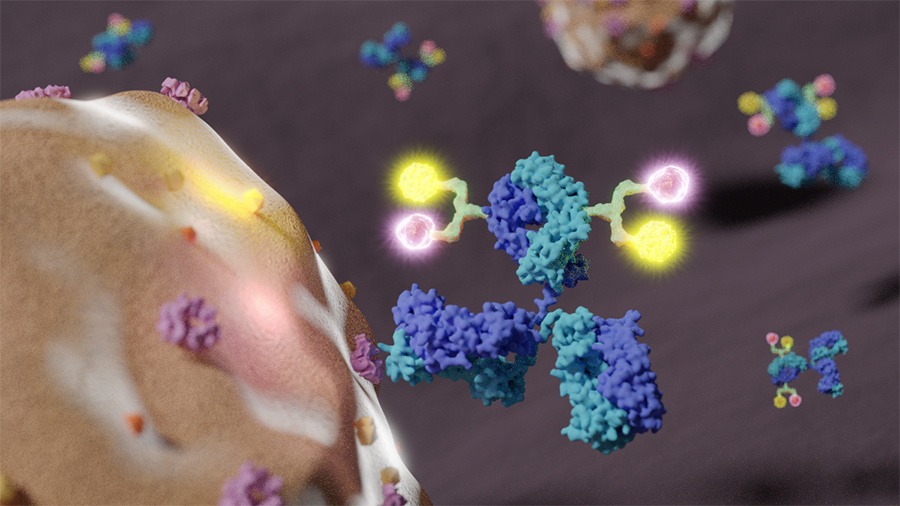
Research from the lab of Kyoji Tsuchikama, PhD, assistant professor in the Texas Therapeutics Institute (external link) at The Brown Foundation Institute of Molecular Medicine, on a new potential treatment for combating breast cancer has been published in the June edition of Nature Communications…
Could a Nasal Spray of Designer Antibodies Help to Beat COVID-19? NIH Director’s Blog
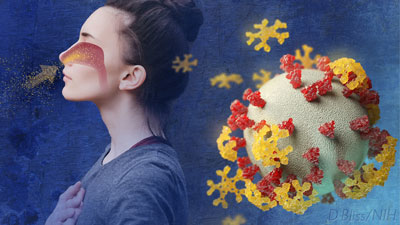
There are now several monoclonal antibodies, identical copies of a therapeutic antibody produced in large numbers, that are authorized for the treatment of COVID-19. But in the ongoing effort to beat this terrible pandemic, there’s plenty of room for continued…