Circadian-Microbiome Interaction
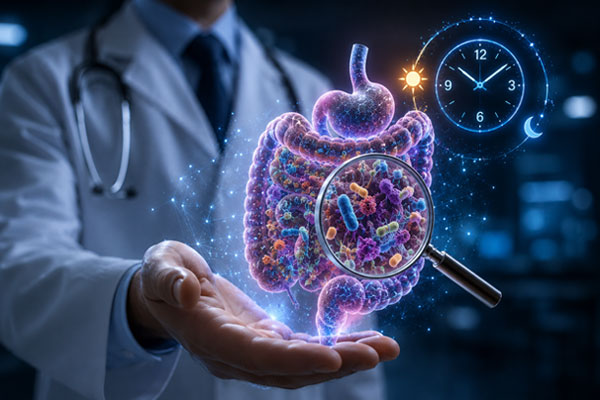 Age-associated inflammation, referred to as inflammaging is a hallmark of aging and contributes to the development of multiple chronic diseases. It involves age-associated loss of epithelial integrity thereby promoting increased gut permeability that triggers chronic inflammation and systemic multi-organ injury, thereby increasing susceptibility to pancreatic dysfunction contributing to impaired insulin secretion, metabolic dysfunction, and increased cancer risk.
Our Goal:
- Define how circadian disruption and altered food timing influence the gut–pancreas axis during aging by determining their effects on intestinal barrier integrity, microbiome composition, systemic inflammation, and pancreatic dysfunction.
- Identify rhythmic microbiome–host signaling pathways that drive age-related pancreatic injury and characterize the molecular mechanisms linking peripheral circadian cues to gut-derived inflammatory processes.
- Establish the translational relevance of microbial signaling in humans to uncover modifiable, gut-centered mechanisms of healthy aging and provide a foundation for future preventive and therapeutic strategies targeting age-associated pancreatic diseases.
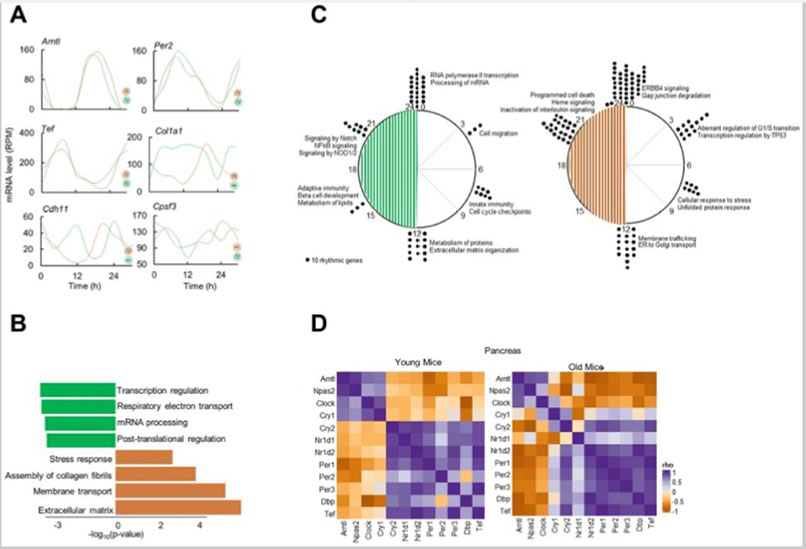
Sharma D, Wessel CR, Mahdavinia M, Preuss F, Bishehsari F. Reorganization of pancreas circadian transcriptome with aging (external link). Aging (Albany NY). 2023 Aug 29;15(16):7909-7921. doi: 10.18632/aging.204929. Epub 2023 Aug 29. PMID: 37647013; PMCID: PMC10497008.