

Stroke Prevention and Treatment
The cerebrovascular continuum of care at UTHealth Houston Neurosciences spans from pre-hospital ambulance care to the emergency center and extends through a dedicated inpatient stroke unit to neurorehabilitation and outpatient stroke services. Our team provides the full range of stroke treatment, from tenecteplase (TNK) and intra-arterial thrombectomy for ischemic stroke to intracranial interventions and endovascular treatment.
Outpatient Stroke Services
The Stroke Transitions Education and Prevention (STEP) Clinic
Since 2014, the STEP clinic program at UTHealth Houston has been a vital resource for stroke survivors, offering a post-hospital lifeline that promotes prevention, supports recovery, and helps all patients thrive after stroke. The STEP clinic serves patients who have had or are at high risk for a transient ischemic attack, an ischemic stroke, or a hemorrhagic stroke.
Our clinicians work closely with patients to identify their personal risk factors. We help them move toward a healthy lifestyle by eating right, staying active, managing stress, connecting socially, and maintaining a healthy weight. We take an integrated approach to post-stroke care, providing education, risk factor screening and management, and assessment and treatment of post-stroke complications. We also connect patients and caregivers to our partner clinics, community programs, and community resources that address post-stroke needs over the long haul.
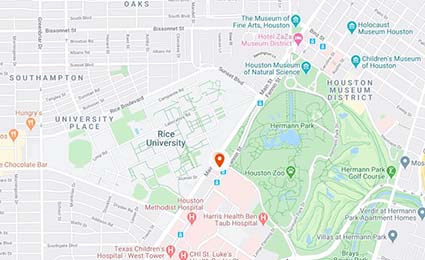
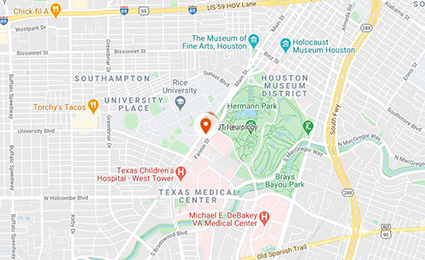
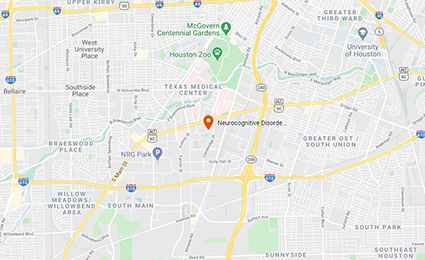
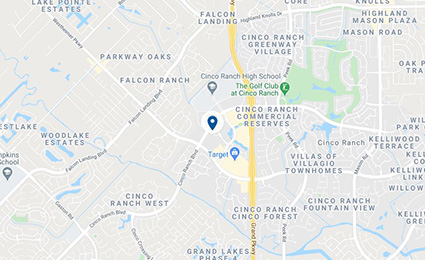
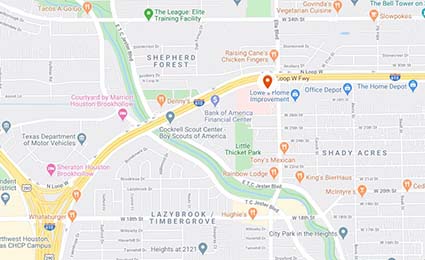
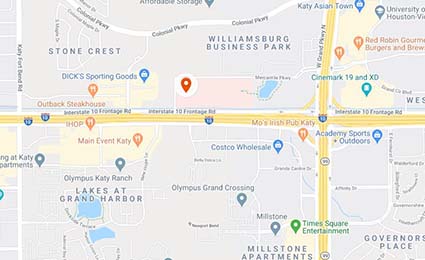
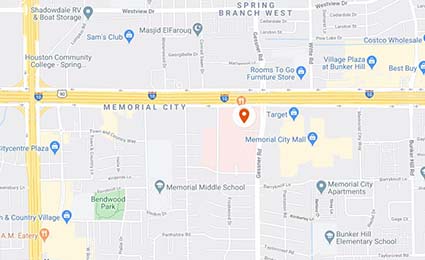
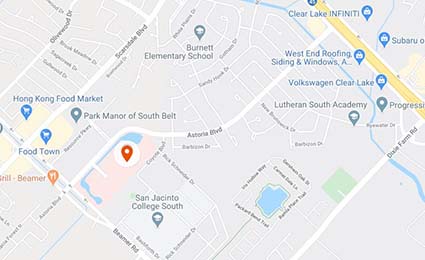
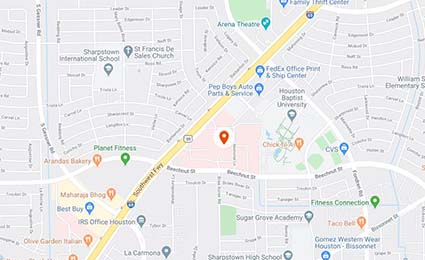
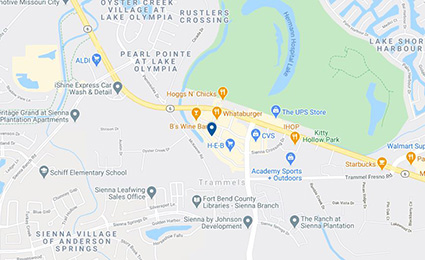
STEP clinics are available at UTHealth Houston Neurosciences locations in Memorial City, Southwest Houston, and the Texas Medical Center.

Our clinicians work closely with patients to identify their personal risk factors and help them move toward a healthy lifestyle.
The Heart/Brain Clinic
Cardiologists and neurologists collaborate in one visit to diagnose, treat, and help prevent conditions that affect both the heart and brain. Our care model reduces patient wait time to see multiple specialists and expedites evaluation and management to decrease the risk of recurrent stroke. Conditions seen include:
Patent foramen ovale (PFO). This small hole in the heart can allow a blood clot to travel to the brain and cause a stroke. Led by neurologist Anjail Sharrief, MD, MPH, and interventional cardiologist Abhijeet Dhoble, MD, our program provides multidisciplinary care for patients with a suspected PFO through a comprehensive targeted plan. Our closed-loop system expedites appropriate workup and improves shared decision-making about PFO closure.
Left atrial appendage closure (LAA). Our multidisciplinary team also sees patients who have an interest in an LAA closure in the setting of atrial fibrillation, cerebral amyloid angiopathy, anticoagulation-related intracranial hemorrhage, and recurrent stroke despite the use of multiple direct oral anticoagulants, as well as other patients deemed at high risk for long-term anticoagulation.
Cryptogenic stroke or embolic stroke of undetermined source. Our team provides comprehensive evaluation of cryptogenic stroke — strokes with unknown cause. In partnership with cardiac electrophysiologists, we offer expedited and extended cardiac monitoring, including the placement of an implantable loop recorder.
Referrals to the Heart/Brain Clinic may be sent by email to [email protected].
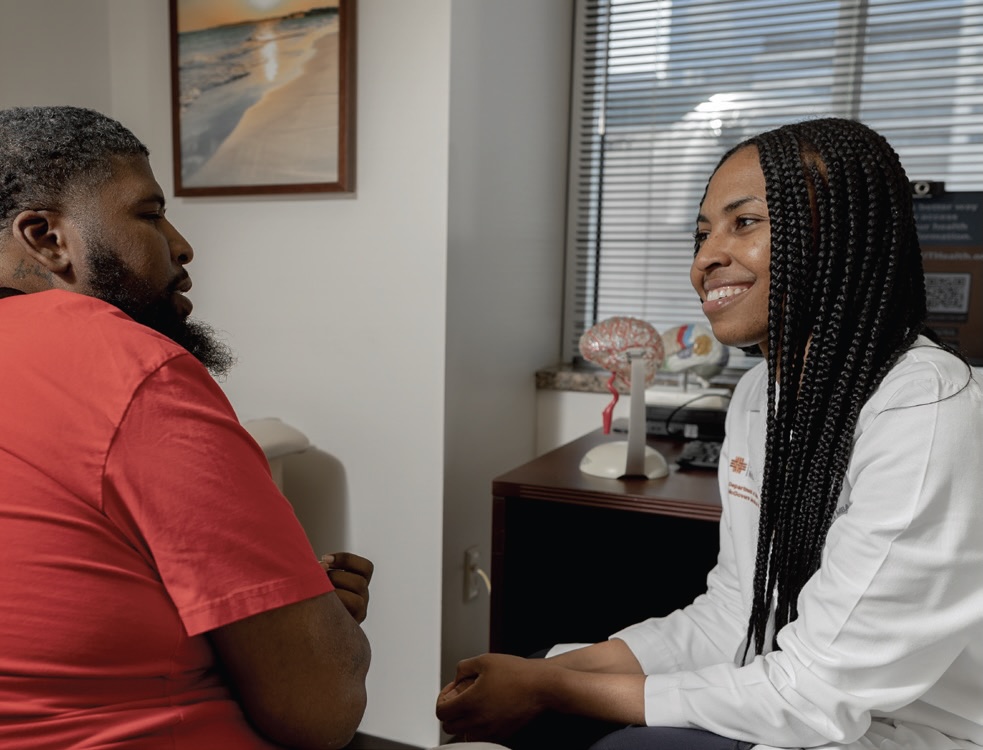
Neurologists at UTHealth Houston Neurosciences founded the first stroke center in Houston.
Vivistim® Referrals
Vivistim is an FDA-approved system that uses vagus nerve stimulation during rehabilitation therapy to improve upper-limb function for ischemic stroke survivors. The system requires surgical implantation followed by a high-intensity rehabilitation protocol of 18 sessions, three times a week for 90 minutes, coupled with a self-directed, home-based therapy program. Implantation is done by a UTHealth Houston Neurosciences neurosurgeon.
We accept referrals of motivated adult stroke survivors with:
- A history of chronic ischemic stroke at least six months post stroke and ideally no more than 10 years post stroke
- Moderate to severe upper-extremity impairment, with some movement in the wrist, thumb, and at least two digits
- Sensory deficits that do not limit the ability to perform functional therapy tasks
- Adequate expressive and receptive communication skills
- Controlled spasticity
- No history of bilateral or left vagotomy
Telemedicine
The Department of Neurology at McGovern Medical School at UTHealth Houston is home to one of the largest academic groups of vascular-trained neurologists in the country. It provides acute neurological consultation to community hospitals in Texas through its telemedicine program. The UTHealth Houston Teleneurology team works directly with on-site physicians to assess and consult on evaluation and management of code strokes or potential IV-TNK patients, intra-arterial thrombectomy, cerebral hemorrhage, status epilepticus, or any new onset of altered mental status. Our neurologists work with referring physicians to assist with the admission and transfer process.
Four Decades of Advanced Stroke Care
Neurologists at UTHealth Houston Neurosciences founded the first stroke center in Houston in 1988 and one of the first dedicated stroke programs in the world. More than a decade ago, our physician team helped Memorial Hermann-Texas Medical Center become the first in Texas to meet The Joint Commission’s rigorous standards for the coveted Comprehensive Stroke Center certification, the highest quality standard for stroke care in the U.S. at the time. Today, they stand among an elite group of providers focused on complex stroke care.
Collaboration with Referring Physicians
Physicians at UTHealth Houston Neurosciences engage referring physicians in the care of their patients, keeping them informed about patient progress throughout the evaluation and treatment process. After a patient’s treatment, referring physicians receive a summary and a plan for follow-up. We encourage continued communication about each patient.