


Spiros L. Blackburn, MD
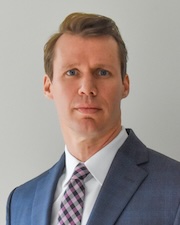
Neurosurgeon
Professor of Neurosurgery
Residency Program Director
Co-Director Cerebrovascular/Skull-Base Fellowship
Dr. Blackburn Sees Patients at:
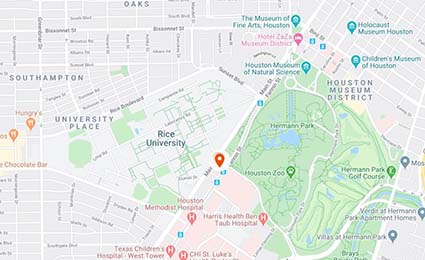
UTHealth Neurosciences–Texas Medical Center
(713) 486-8000
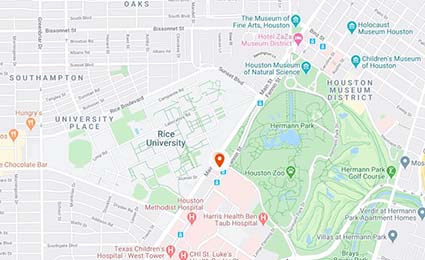
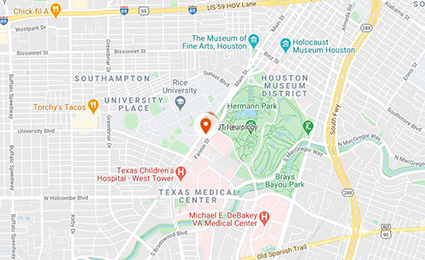
6400 Fannin Street, Suite 2800
Houston, TX 77030
Driving Directions (external link)
Spiros Blackburn, MD, is a board-certified and dual fellowship trained neurosurgeon trained who specializes in cerebrovascular and skull base surgery. He has special expertise in both endoscopic and endovascular neurosurgery. His primary practice includes the management of brain aneurysms, brain AVMs, cerebral bypass, pituitary tumors, meningiomas, and skull base tumors.
A summa cum laude graduate of Old Dominion University in Norfolk, Virginia, Dr. Blackburn received his medical degree at The University of Texas Southwestern Medical School in Dallas. After concluding his residency at Washington University in St. Louis, he completed a cerebrovascular fellowship at Emory University in Atlanta and a neuro-endovascular fellowship at Mallinckrodt Institute of Radiology at Washington University. Prior to joining UTHealth Neurosciences, he held a faculty appointment as assistant professor of neurosurgery at the University of Florida in Gainesville.
Since 2022, Dr. Blackburn has served as the residency program director. This teaching role is to ensure proper education and training for the neurosurgery residents and fellows at UTHealth Houston. As the Co-director for the Skull base fellowship, he serves as a teaching expert for neurosurgeons seeking post-residency cerebrovascular and skull base expertise.
Dr. Blackburn is heavily involved in research, including both human and pre-clinical studies. His clinical research interests include improving outcomes after brain aneurysm treatment, biomarkers for cerebral vasospasm, and translational research for patients with subarachnoid hemorrhage. He has been involved in a number of clinical trials and is funded by the NIH for his research. He is currently leading new clinical trials at UTHealth Houston to treat ruptured brain aneurysms.
The recipient of numerous academic awards, Dr. Blackburn has lectured nationally on the management of cerebral aneurysms, surgical anatomy, arteriovenous malformations, skull base tumors, and stroke. He has more than 140 publications in peer-reviewed journals including Lancet, PNAS, Neurosurgery, Journal of NeuroInterventional Surgery, Journal of Neurosurgery, and Stroke, among others.
Dr. Blackburn is committed to providing superior care and improving neurosurgical outcomes.
Collaboration with Referring Physicians
Physicians at UTHealth Houston Neurosciences engage referring physicians in the care of their patients, keeping them informed about patient progress throughout the evaluation and treatment process. After a patient’s treatment, referring physicians receive a summary and a plan for follow-up. Our physicians encourage continued communication about each patient.
Languages Spoken:
English
Medical School
University of Texas Southwestern Medical Center, 2004
Education/Training
Fellowship
Mallinckrodt Institute of Radiology, 2012
Fellowship
Emory University School of Medicine, 2011
Residency
Barnes Jewish Hospital WU School of Medicine, 2010
Residency
Barnes Jewish Hospital WU School of Medicine, 2005
Clinical Interests
Cerebral aneurysms, arteriovenous malformations, meningiomas and other brain tumors, pituitary tumors, Moya Moya disease, carotid artery stenosis and endarterectomy, cavernous malformations, endovascular neurosurgery, interventional neuroradiology, coil embolization of aneurysms.
Patient Stories

Esteban Delafuente Survives a Ruptured Brain Aneurysm
While talking about his grades with his mother, Esteban Delafuente grabbed the back of his head in pain and the left side of his body collapsed. He sat down hard and told his mother he couldn’t move his legs. After his mother got him to an emergency room near their home, a scan revealed that Esteban had a ruptured brain aneurysm. His ability to move declined rapidly… Click here to read more »