Neuromodulation and Neural Interface
Redefining what recovery can look like.
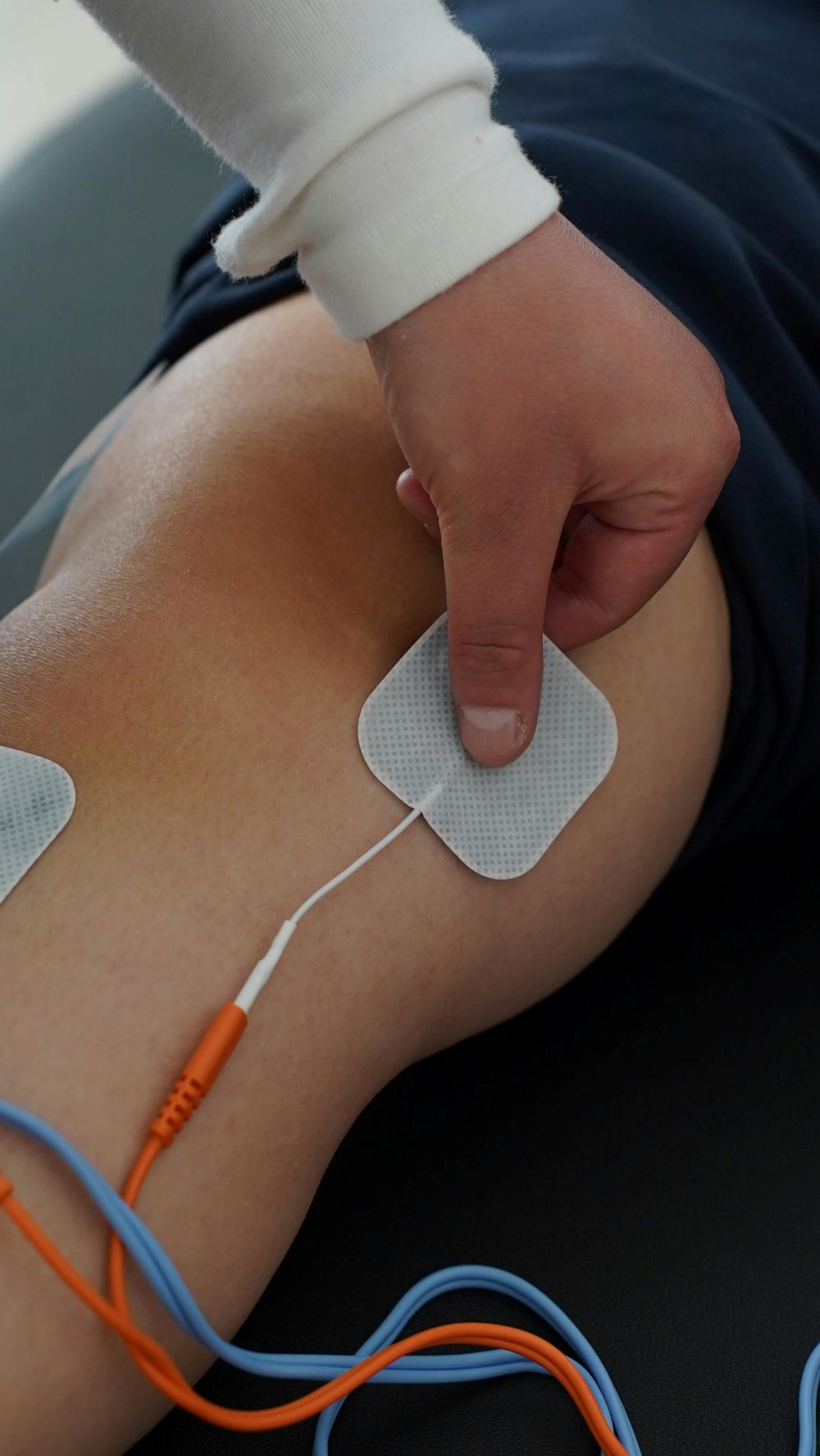 Neuromodulation refers to the targeted use of electrical, magnetic, or chemical signals to influence how the brain, spinal cord, and peripheral nerves communicate. These approaches allow clinicians and researchers to adjust neural activity in precise and adaptable ways to support recovery and improve function. Neural interfaces connect the
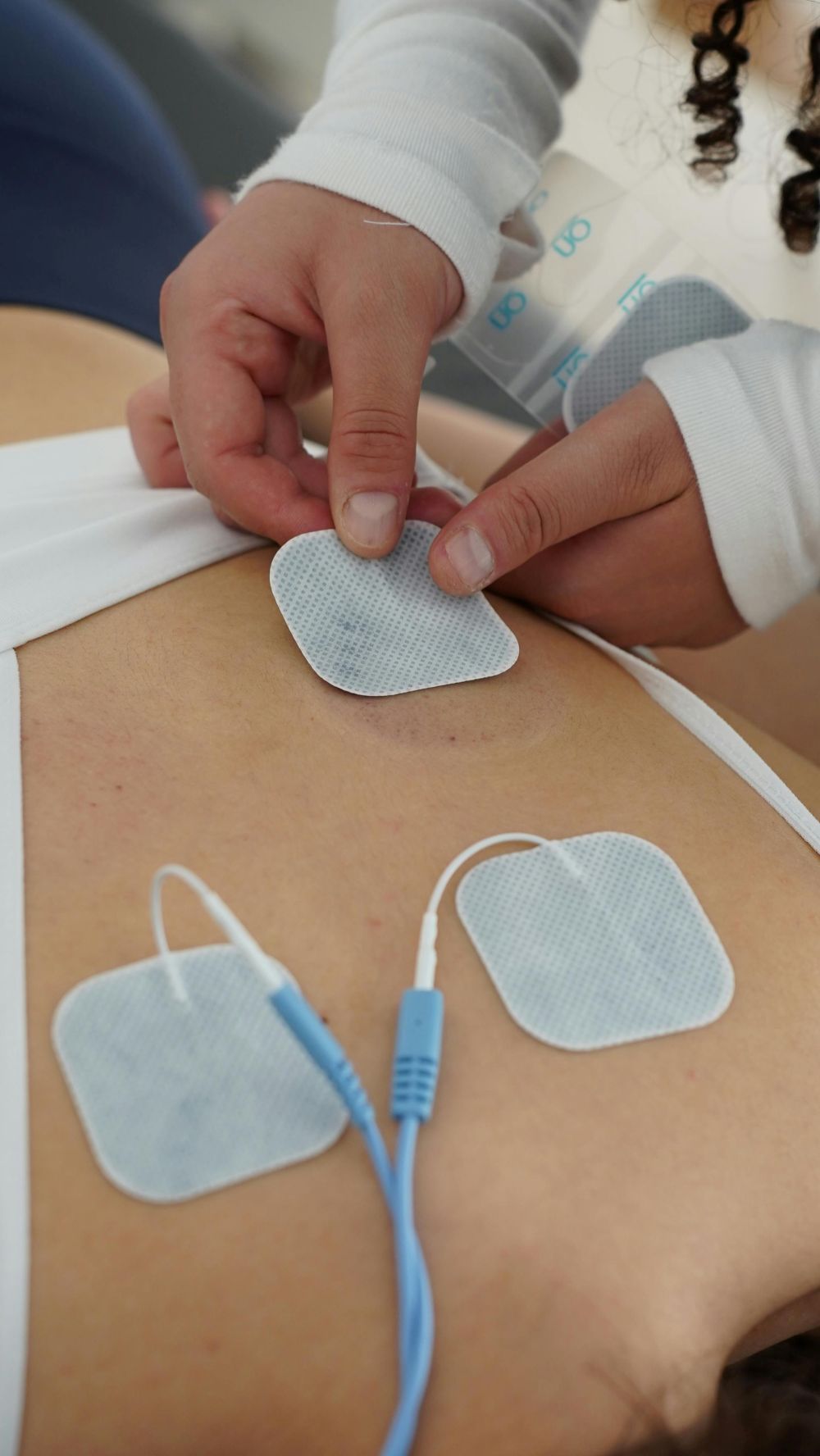 nervous system with technology, enabling neural signals to be recorded, interpreted, or used to restore lost abilities.
Together, these tools are creating new possibilities for people living with neurological injury and disease. For individuals with stroke, spinal cord injury, traumatic brain injury, chronic pain, or movement disorders, neuromodulation and neural interfaces can help re-engage neural pathways, enhance rehabilitation, and support more personalized care.
At UTHealth Physical Medicine and Rehabilitation, clinicians, scientists, and engineers collaborate to translate advances in neuroscience into meaningful outcomes. By aligning innovative technology with patient-centered rehabilitation, we are helping shape a future where restoring nervous system function is increasingly possible.