
Annika Medhus, MD
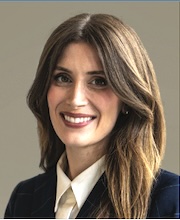
Neurologist
Dr. Medhus Sees Patients at:
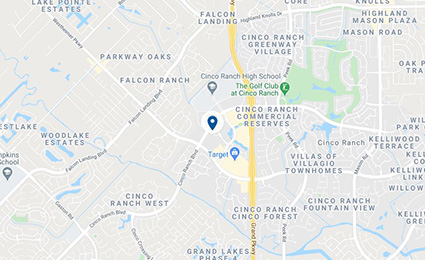
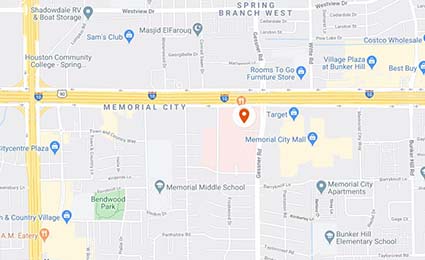
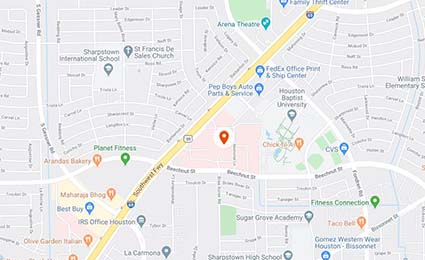
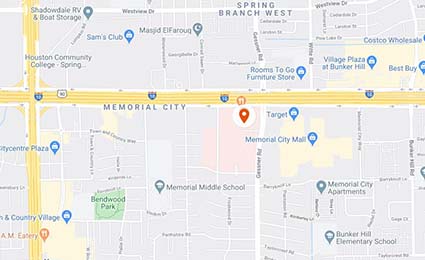
UTHealth Houston Neurosciences – Memorial City
929 Gessner, Suite 2410
Houston, TX 77024
Phone: (713) 486-7720
Fax: (713) 486-7744
Dr. Annika Medhus is a board-certified and fellowship-trained neurologist specializing in movement disorders. She provides comprehensive, personalized care for patients with Parkinson’s disease, atypical parkinsonism, tremor, myoclonus, dystonia, ataxia, chorea, restless leg syndrome (RLS), and related neurologic conditions. She has specialized training in advanced therapies for movement disorders, including deep brain stimulation (DBS) and continuous infusion therapies, as well as botulinum toxin injections for chronic migraine, focal dystonia, hemifacial spasm, and spasticity.
A Houston native, Dr. Medhus received her Bachelor of Science in psychology summa cum laude from Texas A&M University and her Doctor of Medicine from McGovern Medical School at UTHealth Houston. She completed neurology residency training at Dell Medical School at The University of Texas at Austin, where she served as chief resident and was recognized with the Distinction in Care Transformation award. She returned to UTHealth Houston for fellowship training in movement disorders through the Movement Disorders and Neurodegenerative Diseases Program, and joined the faculty upon completion of her training.
She is a member of the Movement Disorder Society, American Academy of Neurology, Texas Neurological Society, American Medical Association, and Texas Medical Association.
Her patient care philosophy emphasizes compassionate, individualized care and collaborative relationships with patients and families, with a focus on improving overall quality of life.
Collaboration with Referring Physicians
Physicians at UTHealth Houston Neurosciences engage referring physicians in the care of their patients, keeping them informed about patient progress throughout the evaluation and treatment process. After a patient’s treatment, referring physicians receive a summary and a plan for follow-up. We encourage continued communication about each patient.