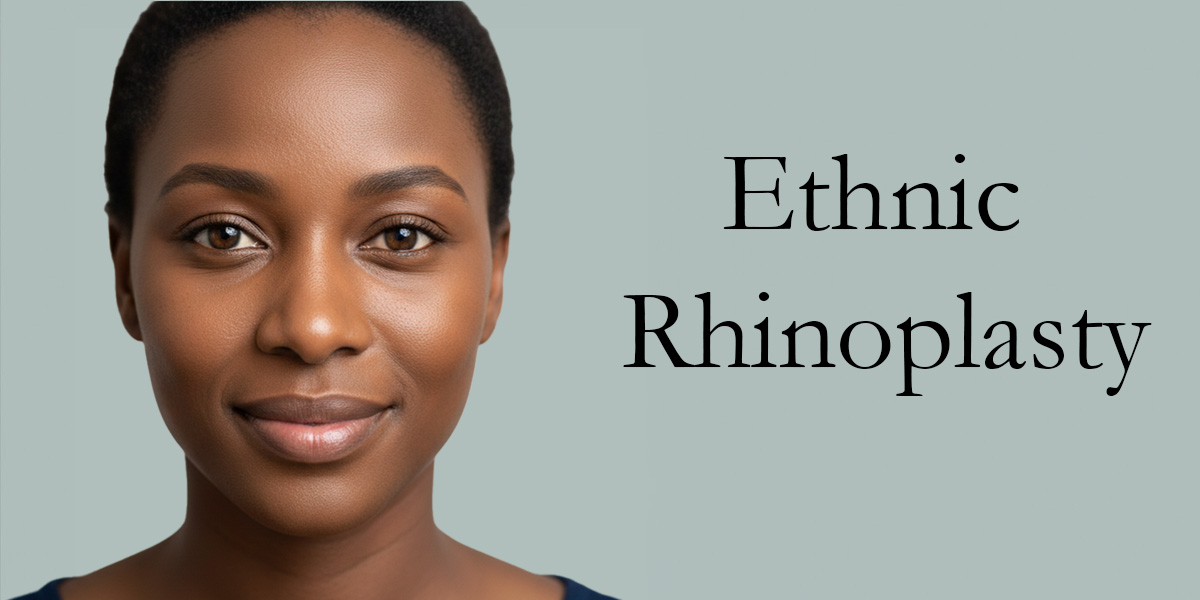
Ethnic Rhinoplasty in Houston
At the Texas Center for Facial Plastic Surgery in Houston, our board-certified surgeons, Dr. Tang Ho and Dr. W. Katherine Kao, are experts in ethnic rhinoplasty. They understand that every nose is unique and implement the latest techniques to preserve the unique heritage of your face.

Ethnic rhinoplasty is a specialized surgical procedure designed to enhance the nose’s appearance while preserving the unique ethnic features that define your cultural identity. Unlike standard rhinoplasty, ethnic rhinoplasty carefully balances aesthetic improvements with maintaining natural heritage, ensuring results that look harmonious and natural without visible scarring.
Tailored Techniques for Diverse Nasal Anatomy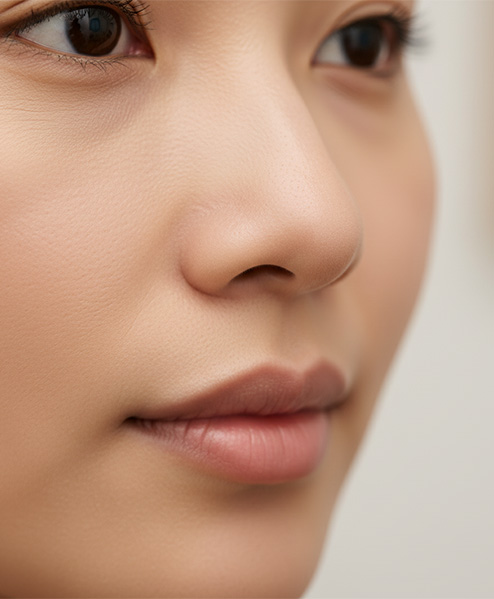
Nearly 30% of rhinoplasty patients in the U.S. come from diverse ethnic backgrounds including African American, Hispanic, Asian, and Pacific Islander communities. Each ethnic group presents unique nasal anatomy such as differences in skin thickness, nasal bone structure, and cartilage strength, all of which influence both the aesthetic goals and functional outcomes of surgery. At the Texas Center for Facial Plastic Surgery, our surgeons use specialized techniques tailored to your individual anatomy, enhancing both appearance and nasal function.
Goals of Ethnic Rhinoplasty
Our goal is to help you achieve a nose that enhances your natural beauty and facial harmony while retaining your ethnic identity. We focus on proportion, balance, and symmetry, ensuring that changes complement your overall facial features rather than erase your heritage.
Recovery After Ethnic Rhinoplasty
Recovery from ethnic rhinoplasty is a gradual process, and each patient heals differently. Here is a general timeline to help orient you through your healing journey:
- Days 1–3: Swelling and bruising are most prominent. A nasal splint or cast protects your nose. Breathing may feel restricted due to swelling or internal packing. It is important to sleep with your head elevated and use cold compresses around the eyes (never directly on the nose) as advised.
- Days 4–7: Swelling and bruising begin to subside, and the nasal splint is typically removed by your surgeon. You may notice some asymmetry and temporary changes in appearance; this is normal. Continue to avoid strenuous activity.
- Weeks 2–4: Most visible bruising resolves. You can gradually resume light activities, but heavy exercise and contact sports should still be avoided to protect your healing nose.
- Months 3–6: Swelling continues to diminish, revealing more refined contours. Nasal breathing should improve as internal structures heal.
- Up to 1 Year and Beyond: Final subtle changes and refinements occur as tissues fully settle. Patience is key to enjoying your ultimate results.
Your surgeon will provide personalized postoperative instructions and will be your best guide throughout the recovery process to ensure both the appearance and function of your nose are optimized.
Why Choose the Texas Center for Facial Plastic Surgery for Cosmetic Rhinoplasty in Houston?
Dr. Tang Ho and Dr. W. Katherine Kao are fellowship-trained surgeons who specialize in rhinoplasty and facial plastic surgery. Patients across the Houston metro choose our practice for:
- Expertise and care in providing the latest and safest surgical techniques
- Advanced nasal surgery techniques
- A balance of surgical precision and artistic vision
- Care delivered within the Texas Medical Center, one of the nation’s leading hubs for medical excellence
Our surgeons are dedicated to naturally improving your appearance while ensuring you maintain your unique appearance.
Frequently Asked Questions (FAQs) about Ethnic Rhinoplasty
What is ethnic rhinoplasty and how is it different from traditional rhinoplasty?
Ethnic rhinoplasty focuses on enhancing nasal features while preserving ethnic characteristics, using techniques suited for diverse nasal anatomies.
Which ethnic groups commonly seek ethnic rhinoplasty?
Patients from African American, Hispanic, Asian, Middle Eastern, and Pacific Islander backgrounds frequently pursue ethnic rhinoplasty.
How does nasal anatomy differ among ethnic groups?
Differences include skin thickness, cartilage strength, nasal bone shape, and tip projection, all of which influence surgical technique.
Can ethnic rhinoplasty improve breathing difficulties?
Yes, the surgery can address structural issues affecting nasal airflow while improving appearance.
How do surgeons ensure the results look natural and maintain ethnic identity?
By customizing the surgical approach to each patient’s anatomy and goals, surgeons preserve defining ethnic features.
What is the typical recovery timeline for ethnic rhinoplasty?
Initial swelling and bruising peak within the first week, with gradual improvement over several months and final results settling up to a year.
Will there be visible scars after ethnic rhinoplasty?
Most ethnic rhinoplasties use internal incisions, leaving no visible external scars.
How should I prepare for recovery after ethnic rhinoplasty?
Follow your surgeon’s instructions carefully, including elevating your head while sleeping and avoiding strenuous activities.
Are breathing improvements permanent after ethnic rhinoplasty?
Yes, correcting structural abnormalities can provide lasting improvements in nasal function.
Can ethnic rhinoplasty be combined with other procedures?
Yes, it can be performed alongside other facial surgeries for comprehensive aesthetic enhancement.
Schedule an Ethnic Rhinoplasty Consultation in Houston
If you’re considering ethnic rhinoplasty in Houston, our team at the Texas Center for Facial Plastic Surgery is here to help. Contact the Texas Center for Facial Plastic Surgery to schedule your revision rhinoplasty consultation in Houston or request an appointment online today and discover how expert surgical care leads to facial harmony and a superior outcome.