Building More Than Surgeons
How Ortho Camp Is Shaping the Next Generation of Orthopedic Surgeons
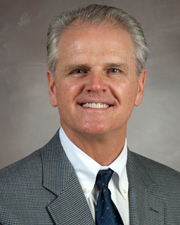
Milton “Chip” L. Routt, MD
What began with six interns and a simple belief has grown into a nationally recognized tradition in orthopedic education. For more than a decade, Milton “Chip” Routt, MD, professor in the Department of Orthopedic Surgery and the Andrew R. Burgess, MD, Endowed Chair at McGovern Medical School at UTHealth Houston (external link), has devoted himself to preparing young surgeons not only for residency, but for a lifetime of learning, leadership and mentorship.
Every Surgeon Starts Somewhere
Every summer, before the first overnight call, before the first fracture reduction and before the weight of residency truly begins to settle in, a room fills with incoming orthopedic surgery residents from across the country.
Some arrive eager.
Others arrive anxious.
They all understand the significance of what lies ahead. In a matter of days, they will no longer be medical students. They will become physicians responsible for evaluating trauma patients, making critical decisions and beginning one of the most demanding journeys in medicine.
Standing beside them are surgeons who remember exactly what that felt like.
For Routt, however, those moments represent something far greater than an orientation course. They reflect a belief that has guided much of his career: every orthopedic surgeon deserves the strongest possible foundation before caring for patients—and every experienced surgeon has a responsibility to help build it.
That belief became Ortho Camp.
Six Interns. One Vision.
But the idea behind Ortho Camp began long before Houston.
Routt traces its roots to a two-day orthopedic orientation held in 1984 at Shakertown, Kentucky, where incoming residents from Vanderbilt University, the University of Kentucky and the University of Louisville gathered before beginning residency. Years later, while at the University of Washington, Routt helped revive many of those ideas through a smaller orientation led by his orthopedic residency program director, Roger Larson, MD. Together, those experiences laid the foundation for what would eventually become Ortho Camp.
Then, when Routt arrived at UTHealth Houston in 2013, he recognized a need.
“It was obviously needed,” he said simply.
So he started again. What followed was the beginning of something much larger.
That first year, six incoming interns from two residency programs gathered in Houston. The goal was not simply to teach fracture fixation or splinting. It was to prepare young physicians for the realities of orthopedic residency before they encountered their first patient.
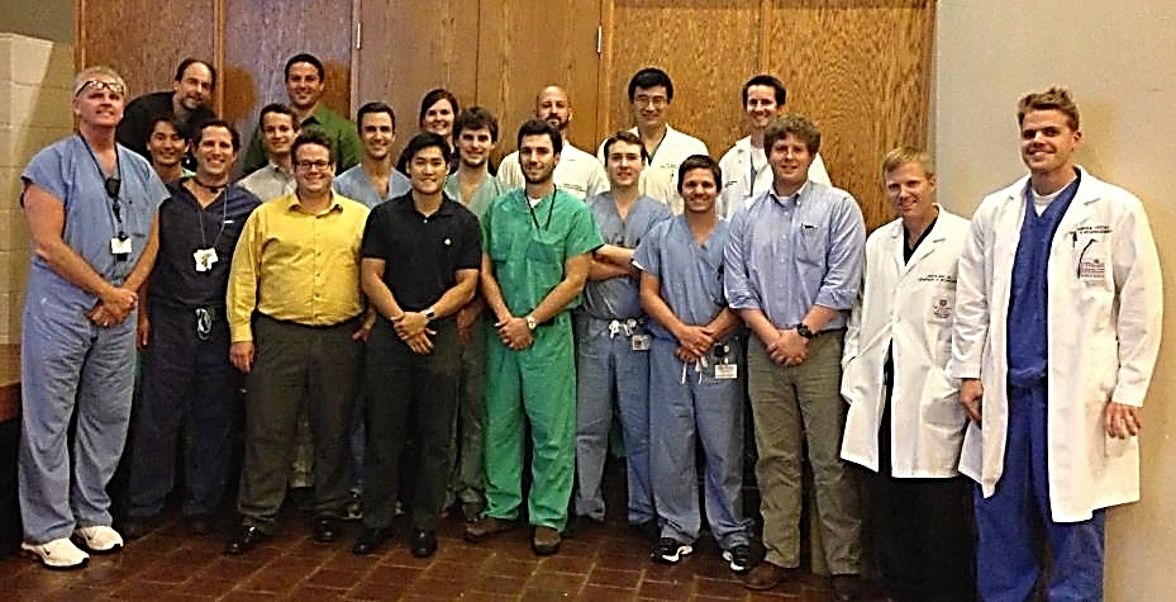
The first Ortho Camp in 2013.
Today, the room looks different.
Ortho Camp welcomes more than 120 incoming orthopedic interns in person, while hundreds more participate through a live broadcast. Residents from 80 residency programs now benefit from the curriculum each year, reflecting steady growth built on a singular purpose: preparing new orthopedic surgeons before they begin residency. Longtime support from DePuy Synthes has helped expand the program’s reach while preserving that mission.
Ask Dr. Routt about Ortho Camp’s national impact, however, and he will gently correct you.
Nationally?
“Maybe globally!!”
It is a quintessential “Chip” Routt response.
Yet, even after more than a decade of remarkable growth, he is not thinking about attendance numbers or geography. He is thinking about every incoming orthopedic resident who could benefit from the experience—and how to reach them.
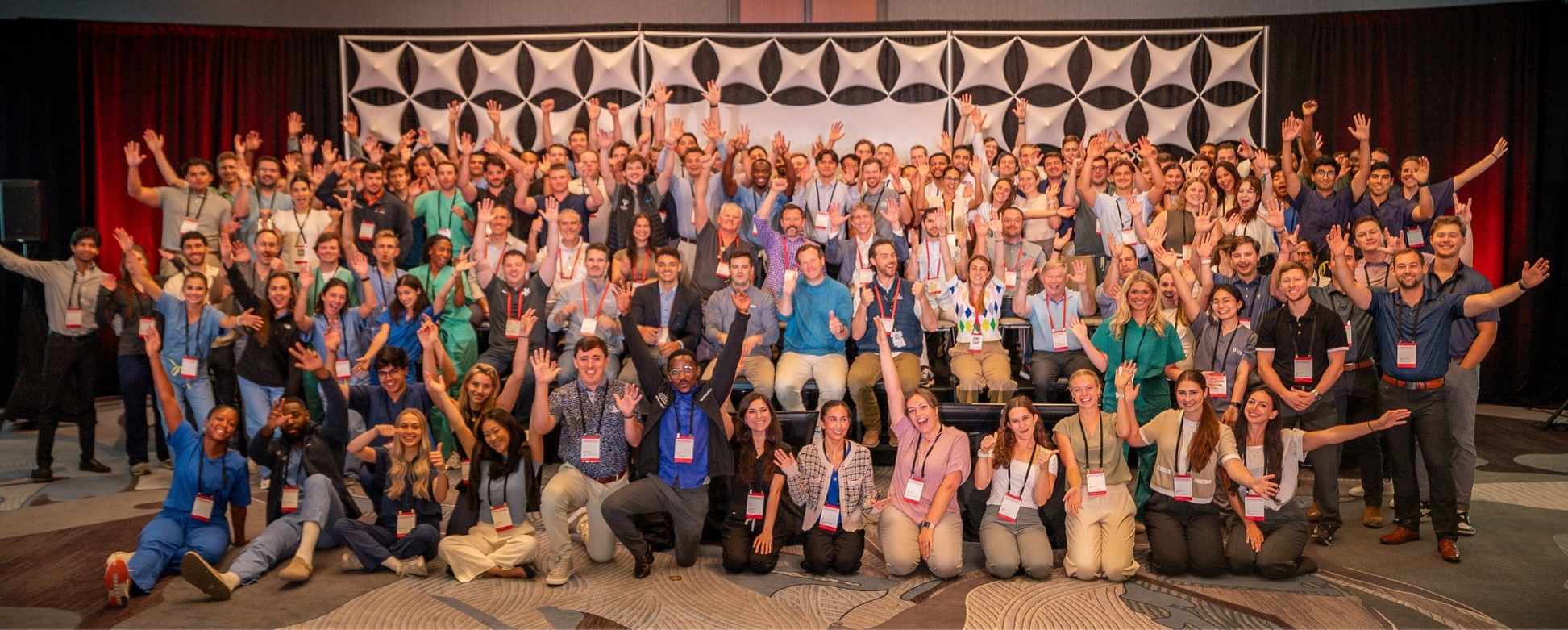
Ortho Camp 2026.
Learning Before Leading
On paper, Ortho Camp is a two-day curriculum covering everything from polytrauma evaluation and detailed physical examinations to splinting, external fixation, fracture fixation techniques and the realities of life as a first-year resident.
In reality, those who teach there describe something much larger.
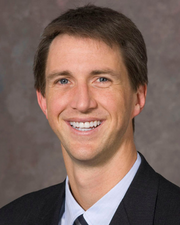
Jonathan Eastman, MD
“The transition from medical student to orthopedic resident is incredibly challenging,” said Jonathan Eastman, MD, associate professor and orthopedic trauma surgeon at UTHealth Houston. “Residents suddenly become the front line of patient care while trying to master an ever-growing body of knowledge. Ortho Camp provides a concise, high-yield foundation that helps them begin residency on the right foot.”
For Eastman, the greatest lesson is not a surgical technique.
“I hope they develop an innate sense of curiosity and drive to get better technically and learn something every day,” he said. “Orthopedic surgery is a career of lifelong learning.”
The Teachers They Remember
The lessons that endure often have little to do with implants or instruments.
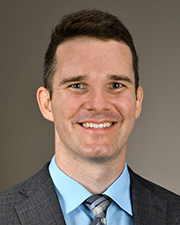
Cody Tillinghast, MD
Cody Tillinghast, MD, assistant professor and orthopedic spine surgeon at UTHealth Houston, understands that better than most. More than a decade ago, he attended Ortho Camp as an incoming resident. Today, he returns as faculty.
“Mentors help shape our choices, habits and personalities,” he said. “Our outcome is a reflection of their influence.”
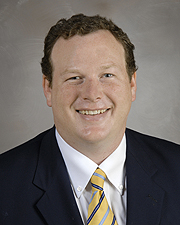
William H. Harvin, MD
For William “Billy” Harvin, MD, assistant professor and orthopedic trauma surgeon at UTHealth Houston, teaching represents one of the profession’s greatest rewards.
“The most gratifying part of my profession is when patients appreciate the surgeon and team’s hard work,” he said. “A close second is when former pupils thank me for teaching them a valuable lesson. It’s incredibly rewarding to pass information and experience on to the next generation.”
Together, those reflections reveal something important about Ortho Camp.
People do not return because they are asked.
They return because someone once invested in them.
What participants experience over two days is the result of months of thoughtful planning. Throughout the year, Routt, Eastman and Timothy Achor, MD, professor and orthopedic trauma surgeon at UTHealth Houston, meet regularly to review the curriculum, refine each session and continuously improve the experience for every new class of residents. They are joined by carefully selected faculty from academic medical centers across the country, creating a collaborative teaching environment that has become one of Ortho Camp’s defining strengths.
More Than Surgical Technique
For Routt, preparing residents has never been limited to surgical skills.
New interns must develop knowledge.
Experience.
Communication.
Responsibility.
Accountability.
Integrity.
“The challenges are countless,” he said.
Above all, he hopes every participant leaves with something even more enduring.
“That being a surgeon and physician is a God gift,” he said. “And that serving others in need is the best job in the world—and it’s fun.”
Just as importantly, he wants every intern to understand one simple truth.
“You’re never alone,” he said. “We’re always here to help.”
Standing Beside Yesterday’s Students
One of Routt’s greatest points of pride is not measured by attendance records or the number of residency programs represented.
It is measured in what happens years later.
Former participants recommend the course to colleagues.
Program directors continue sending new interns.
Residents return as fellows.
Fellows become faculty.
When asked what goes through his mind as former learners return to Ortho Camp as faculty, Routt did not begin by talking about the program.
Instead, he mentioned two names.
Neil Green, MD.
Marc Swiontkowski, MD.
Green, his residency program director at Vanderbilt, was, in Routt’s words, “the best teacher I’ve ever known.” Through a demanding Socratic teaching style and unwavering expectations, Green taught residents that competence was earned, not given.
Routt said Green embodied a quote often attributed to Aristotle:
“Learning is not child’s play. We cannot learn without pain.”
Then Routt smiled.
“It doesn’t have to hurt,” he said, “but it just does.”
Later in residency, Swiontkowski reinforced those same values while helping build Vanderbilt’s orthopedic trauma program into one of the nation’s premier training environments.
Those mentors shaped Routt’s philosophy of education. Today, their influence lives on through Ortho Camp.
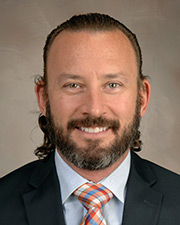
Timothy Achor, MD
This year, the program leadership officially transitioned to Achor and Eastman, who now serve as course directors, while Routt remains co-director. Just as Green and Swiontkowski once entrusted the next generation to him, Routt is now doing the same.
One generation quietly prepares the next.
Perhaps that’s the true measure of Ortho Camp.
Not the curriculum.
Not the techniques.
Not even its remarkable growth.
Its greatest success is that the people who once arrived looking for guidance eventually return to provide it.
Building What Lasts
Every July, another group of interns walks into the room carrying the uncertainty that accompanies the beginning of residency.
They leave with new skills.
New confidence.
And without fully realizing it, a deeper understanding of what it means to be an orthopedic surgeon.
Eventually, some of them will return—not because they have to, but because someone once stood beside them when they needed it most.
To Routt, that has always been the point.
Not simply preparing surgeons for their first day of residency.
Preparing them to one day stand where he stands now.
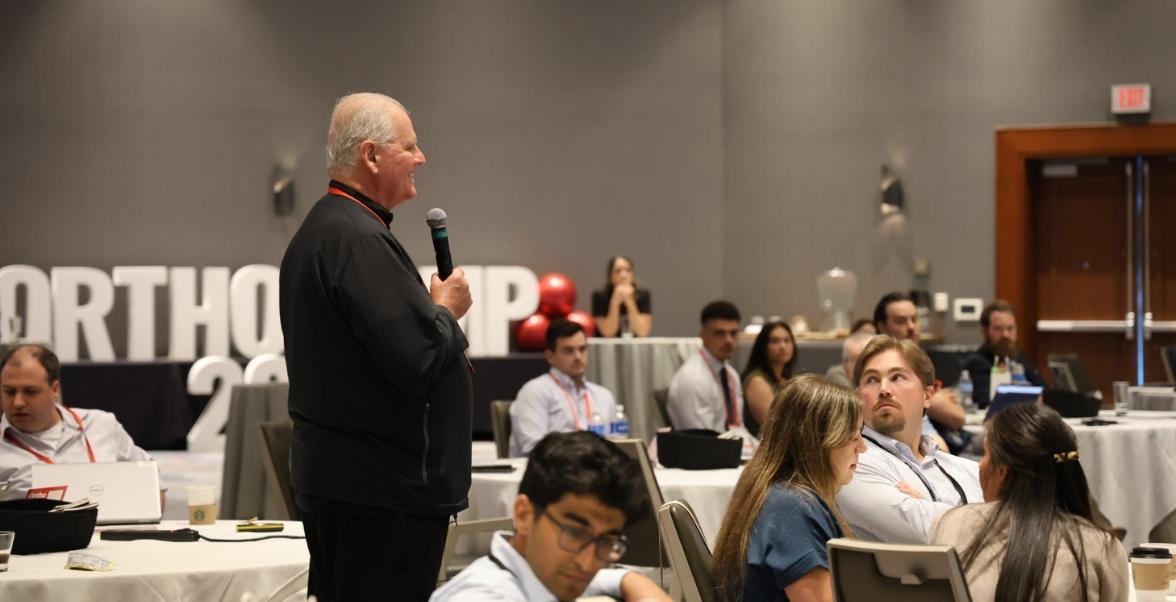
Milton “Chip” Routt, MD, addresses incoming orthopedic surgery residents during Ortho Camp 2026.