Global Health Update
From Kristina Tebo, MD
Assistant Vice President, Office of Global Health Initiatives
Assistant Dean of Global Health, McGovern Medical School
Assistant Professor, Pediatric Hospital Medicine Division
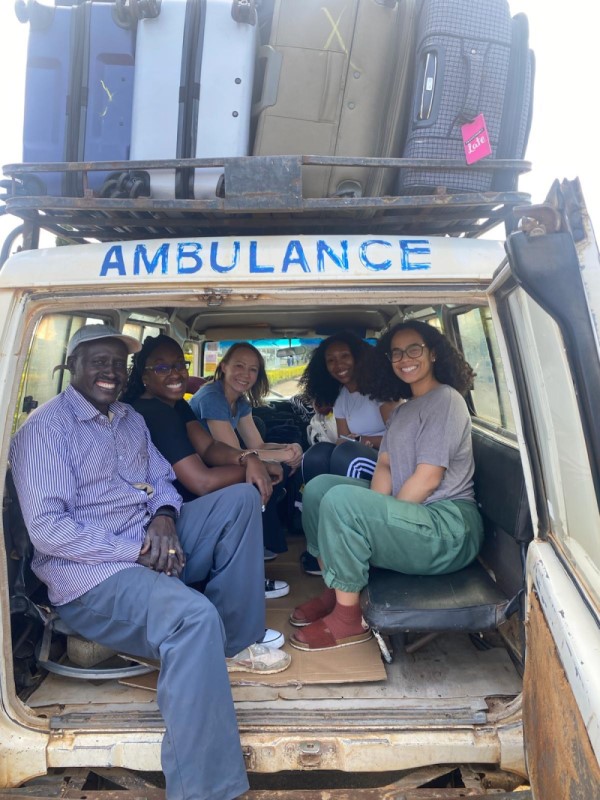
L-R: Bush taxi driver William, Arrionna Dryden, MD, MS; Dr. Tebo; Alexandria Laws, MD; Andrea Pinto, MD
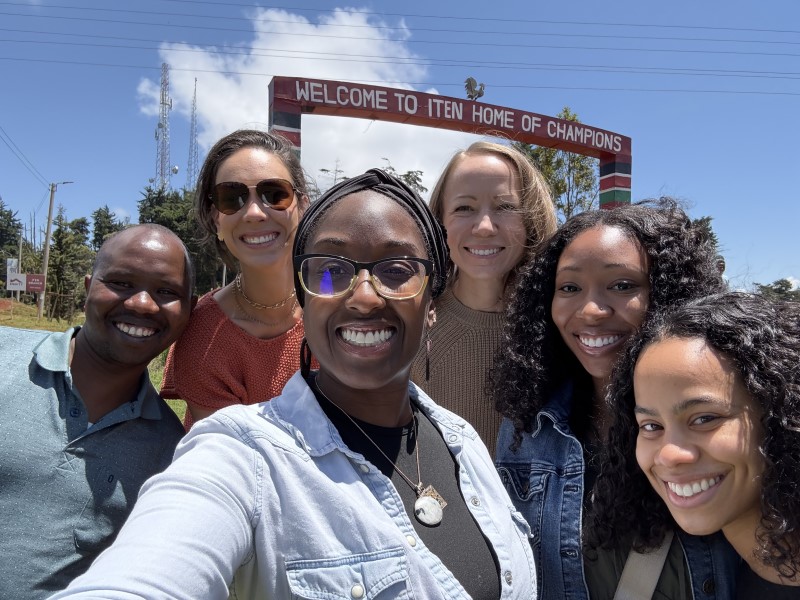
The Pediatric Global Health Program recently completed a month-long global health trip to rural Kenya involving three of our awesome residents: Alex Laws, Andrea Pinto, and Arrionna Dryden. We had a fabulous month abroad filled with education and fun and were able to support the hospital in several ways, including bringing five bags of supplies.
Our pediatric time was spent caring for premature infants, sick neonates, surgical consults, and a variety of ailments in the pediatric ward. Some interesting cases included:
- infants with extreme prematurity, NEC, respiratory failure, and BPD exacerbations
- a neonate who suffered non-accidental trauma (thankfully the hospital has social workers to assist!)
- infants with congenital malformations including cleft lip/palate and Tetralogy of Fallot
- childhood epilepsy leading to burns after the child fell/seized in a fire
- many children requiring TB rule-outs
- typhoid fever and amebic infections
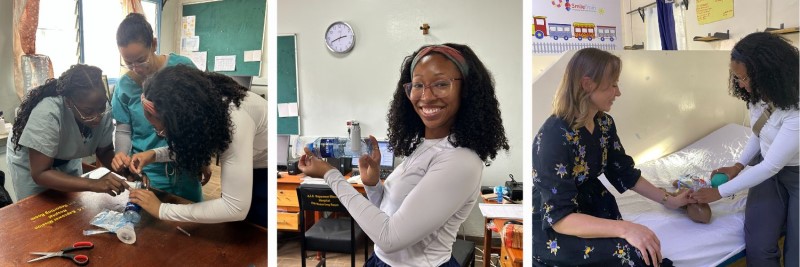
Members of our team had opportunities to work with a med-peds provider on the adult wards as well. Here, we saw several interesting cases including severe malaria, HIV/AIDS, and a lot of COPD.
The month was filled with global health learning opportunities through lectures, board-review sessions, simulated cases, and skills-training sessions. We were able to see nearly all of our Global Health Supper Club sessions come to life and applied many of the skills learned over the past two years of this curriculum.
We are so grateful for the Department of Pediatrics Educational Award which supplied us with a handheld ultrasound device. It was extremely useful in evaluating critically ill patients, especially those too unstable to move to the X-ray room. Some case highlights include:
- Ruling out a suspected pneumothorax in a micro-preemie (815g) — The case involved difficult ethical and palliation discussions, and the ultrasound data helped with complicated decisions.
- Discovering a large pericardial effusion in a toddler, which we suspected was due to pericardial tuberculosis
- Assessing cardiac function and volume status in a critically-ill woman with organophosphate poisoning
- Identifying intraventricular hemorrhage in an ill neonate with severe IUGR and sudden neurologic changes. The ultrasound software allowed us to send de-identified images to some of our NICU contacts in the United States who assisted with the diagnosis.
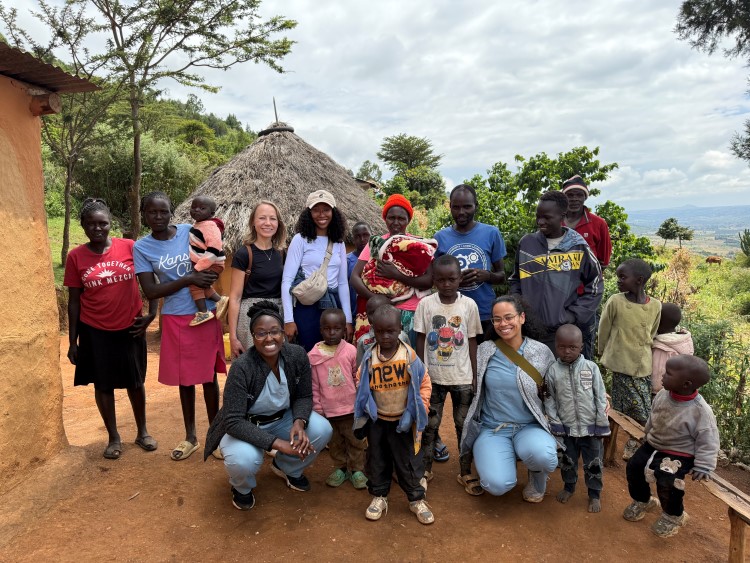
At the end of their month-long trip, the group of physicians was able to do a home visit with the hospital’s social work team, which involved hiking up to the patient’s home on the side of a mountain.
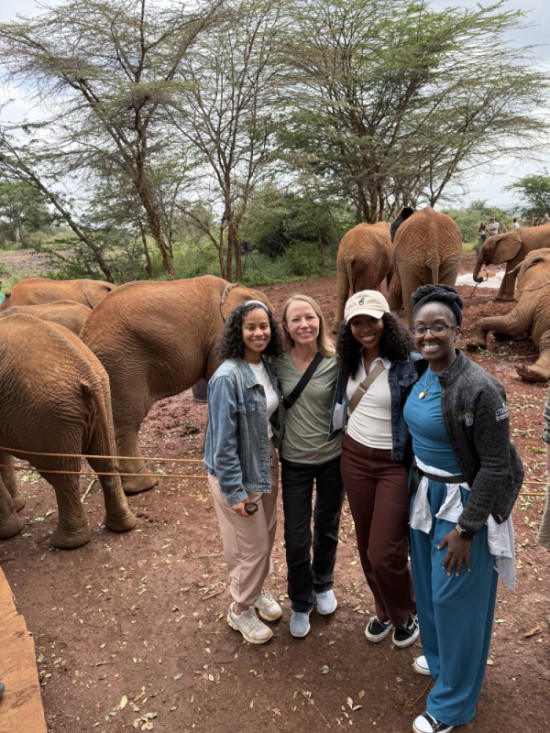
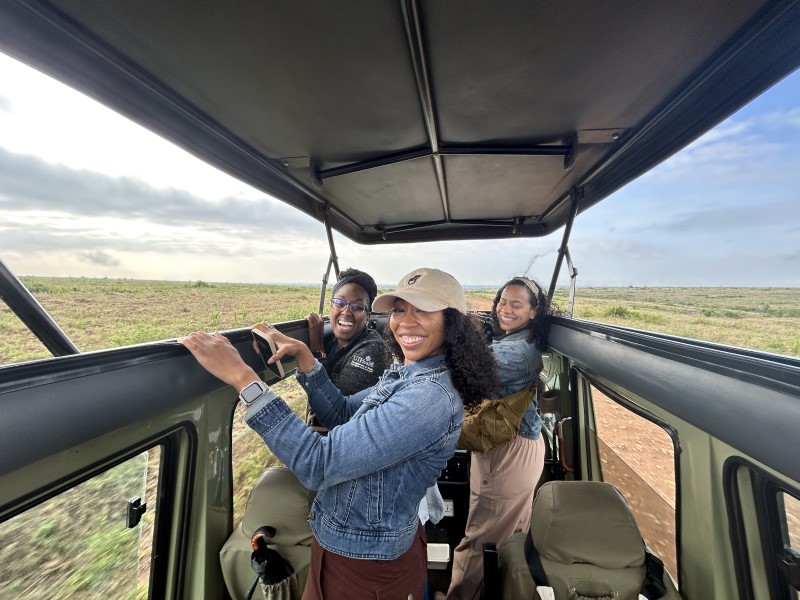
After all the great learning, we finished the trip with 24 hours of rest and relaxation in Nairobi where we enjoyed hot showers, a safari drive, visited an elephant orphanage, fed giraffes, and saw a women’s empowerment center doing handmade beading.
The Pediatric Global Health Program is very grateful for the support we’ve received throughout the Department of Pediatrics that allowed us to provide such a wonderful educational experience. The hospital was extremely grateful for the help we provided, and we’re looking forward to an ongoing partnership with them.