GSHTC administers first commercial hemophilia B gene therapy in Texas
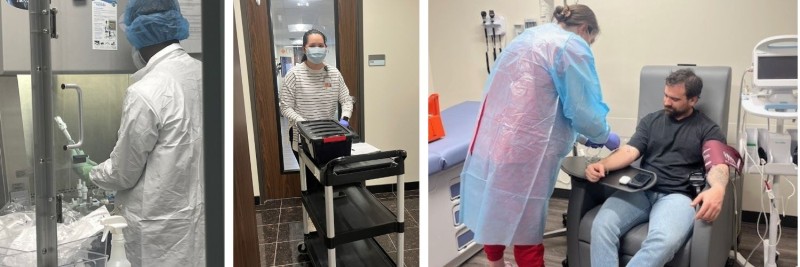
The Gulf States Hemophilia and Thrombophilia Center (GSHTC) has successfully administered Hemgenix, the first FDA-approved gene therapy for Hemophilia B, to its first patients outside of a clinical trial setting — marking the first known commercial infusions of the therapy in Texas. The treatments were delivered in December 2025, January 2026, and March 2026, representing a major milestone in expanding access to advanced therapies for patients living with Hemophilia B.
Hemophilia is an inherited bleeding disorder caused by genetic mutations that impair the body’s ability to produce clotting factors, increasing the risk of spontaneous and prolonged bleeding. Without early diagnosis and treatment, the condition can lead to chronic pain, internal bleeding into muscles and joints, severe joint damage, disability, and life-threatening complications.
Unlike traditional treatment approaches that require ongoing clotting-factor replacement, Hemgenix targets the underlying genetic cause of Hemophilia B through gene therapy, with the potential to significantly reduce or eliminate the need for routine infusions.
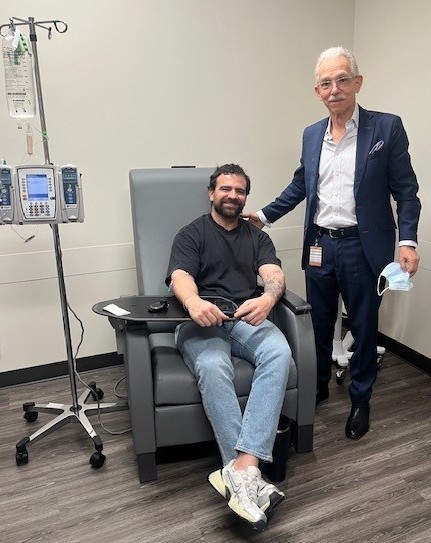
L-R: GSHTC patient with GSHTC Medical Director Miguel Escobar, MD
The launch of this therapy required months of planning and coordination between GSHTC clinical and administrative teams, who worked closely with patients to address questions about treatment, logistics, and long-term follow-up.
“Everyone in our program played a role in ensuring each patient’s treatment plan was successful,” said Miguel Escobar, MD, GSHTC medical director. “The expertise and dedication of our team were reflected in the care patients received before, during, and after infusion.”
GSHTC leaders say patients expressed appreciation for the extensive preparation and support leading up to treatment. All three infusions were completed successfully in the GSHTC gene therapy clinic, and patients will continue to be monitored in the coming months to evaluate treatment response and long-term outcomes.
The milestone reflects GSHTC’s continued commitment to advancing innovative treatment options and improving care for patients with bleeding disorders.