Training Opportunities
Clinical care and exposure
The fellowship provides focused experience in the care of patients with a broad range of movement disorders, including:
- Dystonia and spasticity
- Tremor
- Tics
- Ataxia
- Gait disorders
- Myoclonus
- Paroxysmal dyskinesias
- Huntington disease
- Wilson disease
- Parkinsonism and related disorders
Fellows develop expertise in evaluating patients, establishing differential diagnoses, selecting appropriate diagnostic studies, and developing individualized treatment plans. Training includes both medical and, when appropriate, surgical therapies.
Fellows also learn to assess functional status, quality of life, activities of daily living, fall risk, and environmental and home safety needs. Clinical training includes supervised patient care in outpatient clinics and inpatient settings. Fellows are expected to complete approximately 600 patient care encounters during the first year.
The fellowship is based within a strong academic neurology program at a major university in the world’s largest medical center, with access to tertiary care hospitals and multiple affiliated outpatient clinics. The program serves patients from Harris County and surrounding communities, as well as referrals from across Texas, providing fellows with exposure to a diverse and complex patient population.
Education
Education is an integral component of the fellowship. Fellows:
- Participate in regular literature reviews and journal club with movement disorders faculty, with an emphasis on evidence-based medicine.
- Develop and deliver lectures on movement disorders and therapeutics to medical students and residents.
- Present at least one Neurology Grand Rounds during the first year.
- Teach residents and other trainees how to evaluate and manage patients with movement disorders.
Research
Fellows are encouraged to participate in clinical and basic science research related to movement disorders, including disease pathophysiology, epidemiology, clinical outcomes, and quality of life.
Research opportunities include:
- Participation in ongoing clinical research studies and trials
- Clinical outcomes research using standardized rating scales
- Evaluation of functional outcomes following medical and surgical interventions
- Development of individual research interests and projects
- Presentation of research at local and national meetings
Fellows are encouraged and supported in participating in professional meetings, including the American Academy of Neurology, Movement Disorder Society, and Texas Neurological Society.
Second-year training
An optional second year provides additional opportunities for advanced clinical training, longitudinal patient care, and research.
During the second year, fellows continue to build expertise through continuity of care with established patients and develop greater independence in managing complex, chronic movement disorders. Research opportunities include participation in clinical trials and development of an individual research project. Fellows have 40% protected time for research and are expected to prepare and submit at least one manuscript for publication.
Evaluation and completion
Fellows receive ongoing feedback from participating faculty and are formally evaluated semiannually by the program director and co-director. Evaluations are based on established national standards and fellowship expectations. Upon successful completion of the fellowship, fellows receive a summary documenting their clinical experience, presentations, and faculty evaluations.
Pediatric Movement Disorders Fellowship Alumni
2026
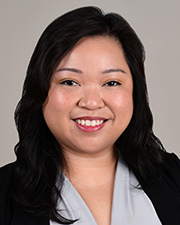
Roshirl (Ardeene) Francisco, MD
Assistant Professor of Pediatric Neurology, McGovern Medical School at UTHealth Houston
2013
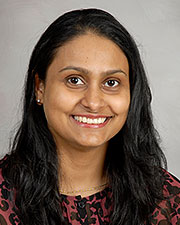
Nivedita Thakur, MD
Associate Professor of Pediatric Neurology, Director of Pediatric Movement Disorders Fellowship Program, McGovern Medical School at UTHealth Houston