Stroke
Stroke affects a lot of people, and for some, recovery can be a long road. According to the American Heart Association (2026), about nine million Americans say they have had a stroke. Each year,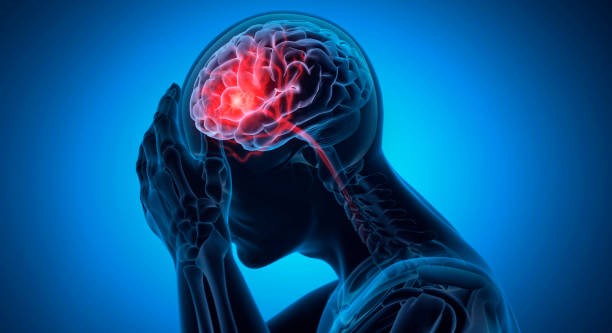 about 795,000 people have a new or repeat stroke. For many survivors, getting back to everyday life is hard. After a first stroke, only about half of people return to work.
Our Stroke Recovery Research Center in the Department of Physical Medicine and Rehabilitation at McGovern Medical School at UTHealth Houston, working closely with TIRR Memorial Hermann, focuses on what happens after the hospital when people are trying to move, speak, think, and live independently again. We study better ways to reduce muscle tightness, help the brain and body relearn movement, test new rehab technology, and support recovery of language and thinking. Our goal is simple: turn research into better rehabilitation, so stroke survivors can get back to the life that matters to them.
Research at the Stroke Recovery Research Center focuses on helping people move better, think and communicate better, and live more independently after a stroke. Our work includes: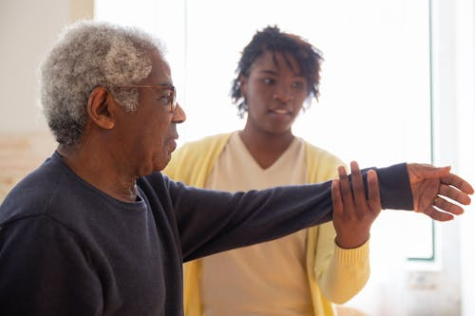
Reducing muscle tightness (spasticity)
We study treatments like to help relax stiff muscles and improve movement.
Helping the brain and body relearn movement
We test new ways to support recovery, including brain stimulation, training that uses muscle signals to guide practice, and spinal stimulation paired with feedback to improve balance and weight shifting.
Using technology to improve therapy
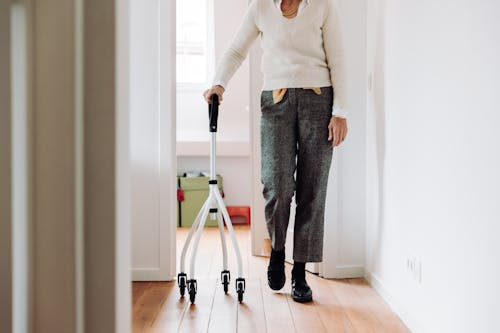 We run studies on tools such as robot-assisted (exoskeleton) arm therapy and other types of stimulation that may lower disability. We also look closely at safety, including in children who have had a stroke.
Improving language and thinking
We study how people regain the ability to produce and combine words in conversational speech after stroke. We also use computer and machine-learning tools to measure language changes and understand which brain areas and connections support recovery.
Our goal is to turn research into better rehabilitation, so stroke survivors can do more in daily life.