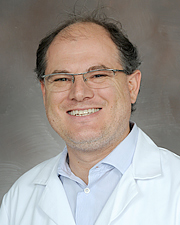
João L. de Quevedo, MD, PhD
- Professor
- John S. Dunn Distinguished Professor
- Vice Chair, Faculty Development & Outreach
- Executive Director, Center for Interventional Psychiatry
- Chief, Division of Interventional Psychiatry
- Director, Treatment-Resistant Depression Program
- Program Director, Interventional Psychiatry Fellowship
Contact
João L. de Quevedo, MD, PhD
713-486-2621
Administrative Contact
Telisha Deaurn Green
713-486-2507
João L. de Quevedo, MD, PhD
713-486-2621
Administrative Contact
Telisha Deaurn Green
713-486-2507
Biography
João L. de Quevedo, MD, PhD, is a psychiatrist with more than 25 years of experience in helping patients diagnosed with treatment-resistant depression. He uses the latest advances in interventional psychiatry to help patients manage complex diagnoses and receive personalized treatment strategies. His areas of interest are treatment-resistant depression, major depressive disorder, bipolar depression, interventional psychiatry, and brain stimulation.
He obtained his Medical Degree and completed residency training in Psychiatry, a fellowship in Psychopharmacology, and a Ph.D. in Biological Sciences (Biochemistry), all from the Federal University of Rio Grande do Sul, Porto Alegre, Brazil. He is the John S. Dunn Distinguished Professor at the Faillace Department of Psychiatry and Behavioral Sciences, McGovern Medical School, The University of Texas Health Science Center at Houston (UTHealth Houston). He also serves as Professor, Vice-Chair for Faculty Development and Outreach, Executive Director of the Center for Interventional Psychiatry, Director of the Treatment-Resistant Depression Program, and Program Director of the Interventional Psychiatry Fellowship.
Dr. de Quevedo serves as Associate Editor of Molecular Psychiatry.
He is fluent in English, Portuguese, and Spanish.
Education
- Medical School
- 1998, Federal University of Rio Grande do Sul, Brazil
- Residency, Psychiatry
- 2000, Psychiatry, Federal University of Rio Grande do Sul, Brazil
- Fellowship, Psychopharmacology
- 2002, Federal University of Rio Grande do Sul, Brazil
- PhD, Biological Sciences (Biochemistry)
- 2002, Federal University of Rio Grande do Sul, Brazil
Areas of Interest
Clinical Interests
- Treatment-Resistant Depression
- Major Depressive Disorder
- Bipolar Disorder
- Schizoaffective Disorder
- Suicide
- Catatonia
- Psychopharmacology
- Pharmacogenetics
- Interventional Psychiatry
- Esketamine/Ketamine
- Transcranial Magnetic Stimulation (TMS)
- Electroconvulsive Therapy (ECT)
- Vagus Nerve Stimulation (VNS)
- Deep Brain Stimulation (DBS)
Publications
Additional Information
The UTHealth Houston Center for Interventional Psychiatry is a specialized clinical, academic, and educational center dedicated to the care of individuals with severe, complex, and treatment-resistant psychiatric illness. We bring together expertise in psychiatry, neuromodulation, and multidisciplinary care to deliver advanced, evidence-based treatments across the full continuum of care.
The Center was established to address a critical gap in mental health care: patients whose illness does not respond to standard treatments and who require more precise, timely, and intensive interventions. Our team focuses on conditions marked by high symptom burden, functional impairment, and elevated risk, where conventional approaches alone are often insufficient.
We are organized around a matched-care model, meaning that each patient is carefully evaluated and directed to the most appropriate level of care and treatment modality from the outset. Care is delivered across outpatient, intensive outpatient, partial hospitalization, and inpatient settings, allowing patients to move seamlessly between levels as clinical needs evolve.
The Center’s flagship clinical service is the Treatment-Resistant Depression (TRD) Program, which integrates medication optimization, psychotherapy, and interventional psychiatry—including electroconvulsive therapy (ECT), transcranial magnetic stimulation (TMS), ketamine and esketamine, and other neuromodulation approaches—within a coordinated and outcomes-focused framework.
In addition to clinical care, the Center plays a central role in education, research, and national and international collaboration, training clinicians in interventional psychiatry and advancing treatment for mood and other severe psychiatric disorders. Through this integrated mission, we aim to improve patient outcomes while advancing the field of psychiatry.
Articles
The News and Commentary section features selected scholarly and educational commentary by Dr. João L. de Quevedo, originally published on the UTHealth Houston Department of Psychiatry and Behavioral Sciences blog.
These pieces reflect Dr. Quevedo’s work in interventional psychiatry, mood disorders, treatment-resistant depression, and the clinical application of advanced psychiatric treatments. They are intended to provide clinicians, trainees, patients, and the broader medical community with evidence-based perspectives.
Content includes:
- Educational articles on interventional and neuromodulation-based treatments
- Clinical perspectives on treatment-resistant depression and severe mood disorders
- Commentary on emerging therapies and evolving standards of care
- Reflections on clinical practice, education, and academic psychiatry
This page serves as a curated gateway to Dr. Quevedo’s published blog content hosted on the UTHealth Houston Psychiatry website, ensuring consistency with institutional messaging while highlighting ongoing contributions to education and public scholarship.
Full articles are hosted on the UTHealth Houston Department of Psychiatry and Behavioral Sciences website and are accessible here (https://med.uth.edu/psychiatry/category/blog/).