Psychology Practicum Program
UTHealth Houston Dunn Behavioral Sciences Center (UTHealth Houston-BSC) Psychology Practicum Program
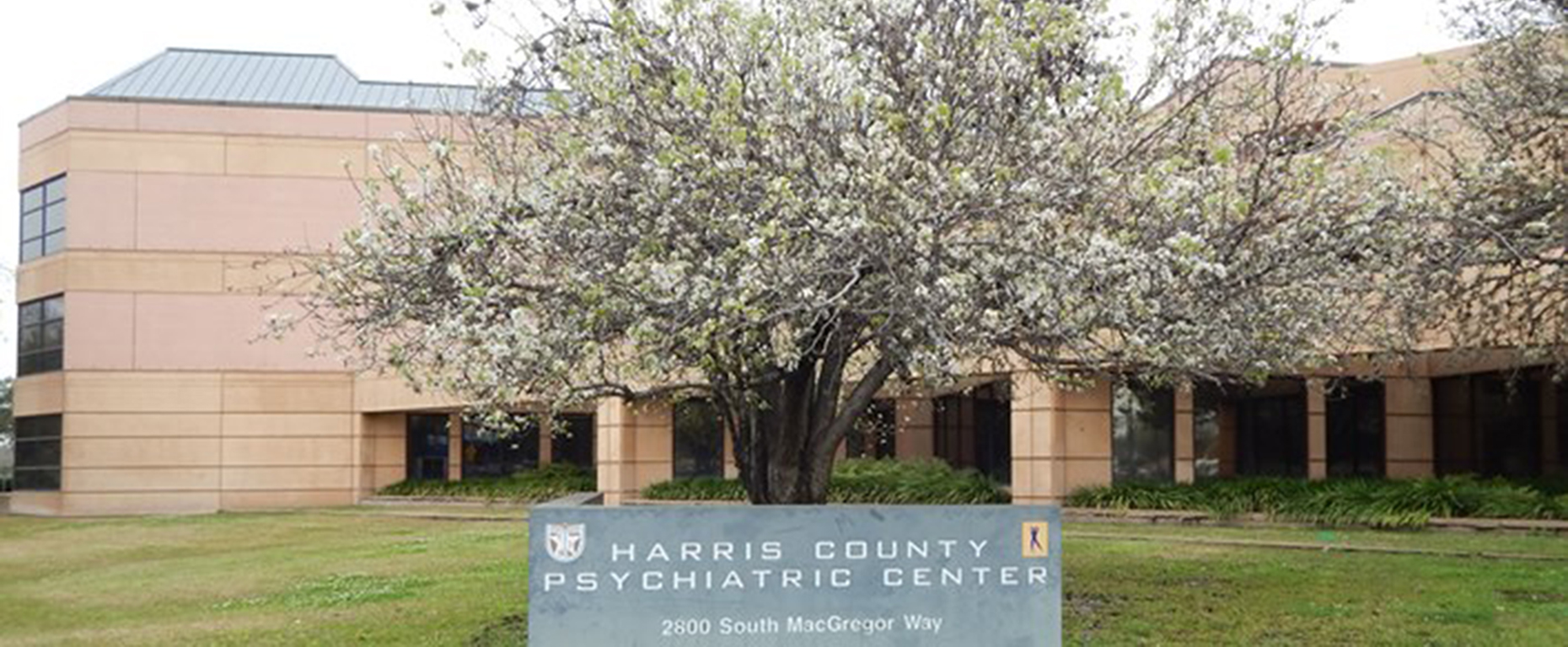
The Louis A. Faillace, MD, Department of Psychiatry and Behavioral Sciences at McGovern Medical School at UTHealth Houston offers the Psychology Practicum Program at UTHealth Houston Dunn Behavioral Sciences Center (UTHealth Houston-BSC). UTHealth Houston-BSC is inclusive of two hospital buildings: Harris County Psychiatric Hospital (external link) and the John S. Dunn Behavioral Sciences Center (external link). UTHealth Houston-BSC is the training home for psychiatry residents, medical students, psychology interns, and psychology postdoctoral fellows of the Faillace Department of Psychiatry and Behavioral Sciences. The hospital is a multi-disciplinary setting that provides a rich environment for collaborative learning and growth.
Students participate in all programs offered by Psychology Services at UTHealth-BSC under the supervision of licensed psychologists. Students are expected to log a minimum of 17 on-site hours at UTHealth Houston-BSC per week for the duration of the practicum experience and attend at least 1 hour of individual supervision, as well as 2 hours of group supervision/case conference per week. This practicum is a 12-month training program.
This clinical practicum program is intended to be an advanced training experience. Eligible students are currently enrolled in a PhD/PsyD program in clinical, counseling, or school psychology at an affiliated university. Completed coursework relevant to adult psychopathology, psychotherapy, and test construction/psychological assessment is preferred. Prior clinical experience using evidence-based modalities is preferred. Preferred candidates will have earned their master’s degree and possess psychological intervention and assessment experience at the time of their application.
Potential Training Experiences
Opportunities exist for training with adult and child/adolescent inpatients.
Psychological Assessment – Students may conduct psychological assessments of patients across the UTHealth-BSC campus consistent with relevant referrals. We receive a range of referral orders, such as brief cognitive screens, differential diagnostic, and behavioral intervention plans.
Brief Individual Intervention – Students may provide brief individual interventions to patients from various clinical units. The rate of referral is variable. Students can expect to see 6-10 patients per week for individual intervention. Evidence based modalities typically include CBT, DBT, ACT, and MI.
Group Therapy – Students may co-facilitate psychotherapy groups using evidence based models. Group modalities may include DBT, CBT, and ACT skills.
Recovery-Oriented Treatment Program – An intensive recovery oriented treatment program for individuals who experience schizophrenia spectrum symptoms. Students may have the opportunity to provide individual and group psychotherapy. Participation in ROTP is considered an advanced training opportunity for practicum students.
Trial Competency Evaluations – For practicum students who may have some introductory experience in competency to stand trail evaluations, there may be opportunities to gain inpatient post-restoration trial competency evaluation experience.
Please note applications open in December of each year and the application deadline is typically in February of each year. Inquiries about the practicum program, including specific tracks, eligibility, the application link and deadlines for the current cycle, should be sent directly to Ms. Meagan Massy, Psychology Coordinator, at [email protected].