Ask the Expert: Your ER doctor’s guide to surviving summer
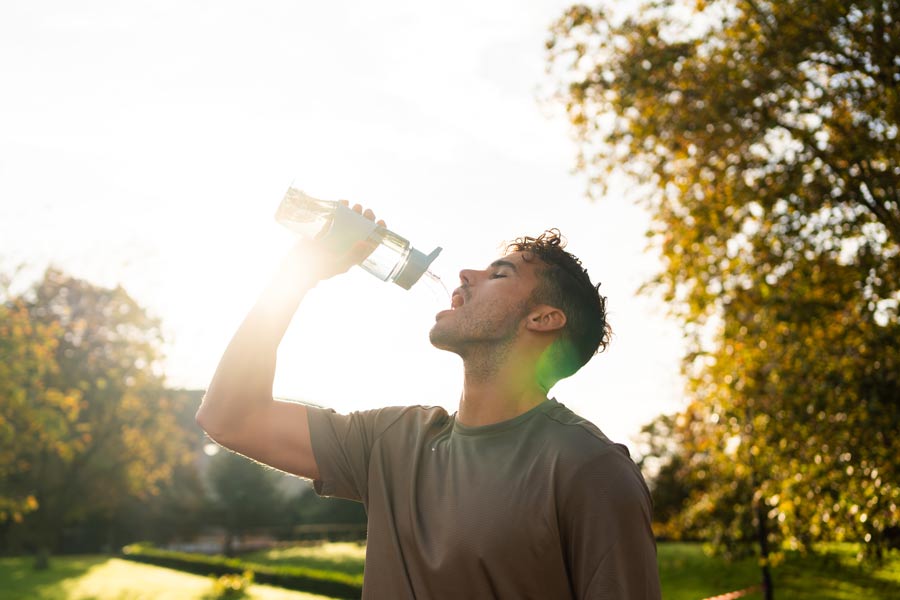
Summer in Houston is one of my favorite times of year—pool days, beach trips, backyard barbecues, fireworks, camping adventures, and long evenings spent outdoors with family and friends. It’s also the time of year when emergency departments see a predictable rise in preventable injuries.
The good news? Most summer emergencies are avoidable with a little planning. I want you to enjoy every minute of your summer. I just hope you don’t spend part of it meeting me in the emergency department.
Heat safety
Let’s start with Houston’s most obvious summer hazard: the heat. And no, it doesn’t have to be 105 degrees outside for heat illness to happen. High humidity can make it harder for your body to cool itself, and heat exhaustion or heat stroke can happen faster than people realize. The heat index is a combination of humidity and outdoor temperature. The higher the heat index, the easier it is to get overheated.
Hydrate before you head outside—not after you’re already feeling thirsty. If you begin feeling dizzy, nauseated, weak, or develop a headache, get indoors or into shade immediately. If someone around you passes out, has a seizure, or is confused after being overheated, call 911, and get help right away.
If you get too hot, use cool towels on the back of your neck, take a cool shower, or use a fan or misting device to help cool down.
And please—never leave children, older adults, or pets in parked cars, even for “just a minute.” In Texas heat, that minute matters.
Water safety
Pool season is fun until someone stops paying attention. Drowning is often silent and can happen in seconds. Children should never be left unsupervised around pools, even if they know how to swim. Put the phone down and designate one adult as the official “lifeguard.”
And for families heading to Galveston Island this summer: Be aware of rip currents, swim near lifeguards when possible, and don’t underestimate how quickly ocean conditions can change.
Swimming lessons are one of the best investments families can make. Many local programs offer affordable or free classes.
Camping and outdoor adventures
Planning a camping trip? Great. Just prepare for things to go wrong before they actually do.
Know everyone’s skill level in your group and choose activities like hiking and biking accordingly. Bring extra water, pack emergency medications such as an epinephrine auto-injector (EpiPen) or diphenhydramine (Benadryl) if someone has severe allergies, and know where the nearest hospital is.
Perhaps most importantly: know exactly where you are. If you need to call 911 from a remote area, being able to describe your location can save valuable time. If cell service is limited, know where you may need to travel to get a signal.
Grilling safety
Few things say summer like grilling outdoors, but grills can become dangerous quickly. Keep children away from hot grills and check gas connections regularly for leaks. If you smell gas, turn everything off immediately and make sure the area is well ventilated.
And please don’t grill in enclosed spaces, garages, or right next to your house. This can lead to deadly carbon monoxide poisoning.
One of my favorite lesser-known safety tips? Skip metal grill brushes. Those tiny wire bristles can break off, land in your food, and lead to an unexpected trip to the emergency room.
Mosquitoes and ticks
Summer bugs are more than just annoying. Mosquitoes and ticks can carry illnesses that make people seriously sick.
Use insect repellent and wear protective clothing when spending time outdoors. After hiking, camping, or spending time in wooded areas, check your entire body—including your scalp—for ticks. If you find a tick, remove it slowly and carefully with tweezers. Avoid twisting or pulling too hard to prevent breaking off part of the tick in your skin. Immediately wash the area after the tick is removed.
If you develop a strange rash, fever, or flu-like symptoms after a tick bite, make sure your doctor knows about the exposure.
Fireworks safety
Every summer, emergency departments treat burns, hand injuries, and eye trauma caused by fireworks. The safest way to enjoy fireworks is to attend a professional show and watch from a safe distance.
If you choose to use fireworks yourself, make sure they’re legal where you are, keep a large bucket of water nearby, and never relight fireworks that fail to go off properly.
And this one seems obvious, but every year someone does it: Never lean over a firework that didn’t ignite, and never pick one up to inspect it. Your face and eyebrows will thank you.
Storm preparedness
Summer in Houston also means hurricane season. Storm preparedness is health preparedness.
Keep at least one week of extra medications on hand, and pack important medical supplies with a set of clothes in case you lose power or need to evacuate quickly. If you rely on oxygen, dialysis, refrigerated medications, or other power-dependent medical devices, have a backup plan in place before a storm approaches.
The best emergency plans are made when skies are clear, not when a storm is already headed your way.
Enjoy summer—safely
Summer should be about memories, not medical emergencies. A little preparation goes a long way toward keeping your family safe while still enjoying everything the season has to offer.
Stay hydrated, wear sunscreen, supervise your kids in the water, and maybe reconsider lighting your own fireworks this year.
I promise, we’d all rather see your summer vacation photos than see you in the emergency department. That said, if you do injure yourself or get sick, we will be here to help you 24/7 in our emergency department and urgent care centers. Stay safe and have a great summer!