Internal Medicine debuts first of its kind Elder Capacity Assessment and Mistreatment Fellowship
To address a need for formal training across the country in the evaluation and treatment of elder abuse, the Department of Internal Medicine is debuting a first-of-its-kind Elder Capacity Assessment and Mistreatment Fellowship in the Joan and Alexander Stanford Division of Geriatric and Palliative Medicine.
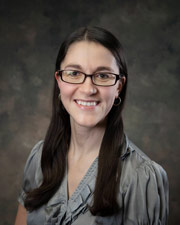
“Elder mistreatment is an alarmingly pervasive individual and public health concern,” said Julia Hiner, MD, associate professor in the Department of Internal Medicine. “Most physicians don’t identify it or treat it as a clinical problem that they have responsibility in managing, since few have received adequate training. This first-in-the-country fellowship changes that.”
The Elder Capacity Assessment and Mistreatment Fellowship trains physicians with a background in the medical care of adults to perform, document, and interpret a patient’s decisional and executive abilities comprehensively in forensic capacity assessments, as well as how to review medical records and Employee Misconduct Registry cases for evidence of adult mistreatment.
Fellows will learn to testify and give deposition in civil and criminal courts, participate in and lead multidisciplinary teams and their members, complete scholarly activities in medicine, advocate for vulnerable patients, and eventually teach and train others to perform these functions.
The fellowship consists of a year of clinical training, where fellows will spend the majority of the time learning alongside nationally recognized UTHealth Houston geriatrician experts in elder mistreatment, forensic capacity assessment, medical record case review, and expert witness testimony. Time will also be spent weekly with multispecialty experts in fields related to elder mistreatment and capacity assessment, including Adult Protective Services, law enforcement, legal teams, forensic nursing, neuropsychologists, forensic pathologists and medical examiners, neurologists, psychiatrists, and more.
Fellows will also have dedicated research time to work closely with team members and UTHealth Houston gerontologist researchers.
The fellowship is open to physicians who have completed an ACGME residency in internal medicine, family medicine, emergency medicine, neurology, or psychiatry, or a fellowship in geriatric medicine following internal medicine or family medicine residency. Additionally, highly qualified and highly interested applicants with other residency training backgrounds will be considered on a case-by-case basis for interview and acceptance.
Applications can be sent directly to Julia Hiner, MD beginning Aug. 1.
Applications must include:
- Letters of recommendation (3)
- Curriculum vitae
- A personal statement
- Medical school and residency training verifications
- Board examination scores (including USMLE, COMLEX, and/or specialty specific)
- A professional photograph
- Basic demographic information
At this time the fellowship cannot accept applications from individuals requiring a visa.