Keeping Houston Running: UTH-EM’s Role at the 2026 Chevron Houston Marathon
EM Team Stands Ready at the 2026 Chevron Houston Marathon
A behind-the-scenes look at how UTHealth Emergency Medicine helped keep runners safe
On January 11th, runners and spectators gathered in downtown Houston for the annual Chevron Houston Marathon (external link) weekend. More than 30,000 runners took on the famed 26-mile course through Houston’s neighborhoods and city streets, supported by thousands of spectators lining the route.
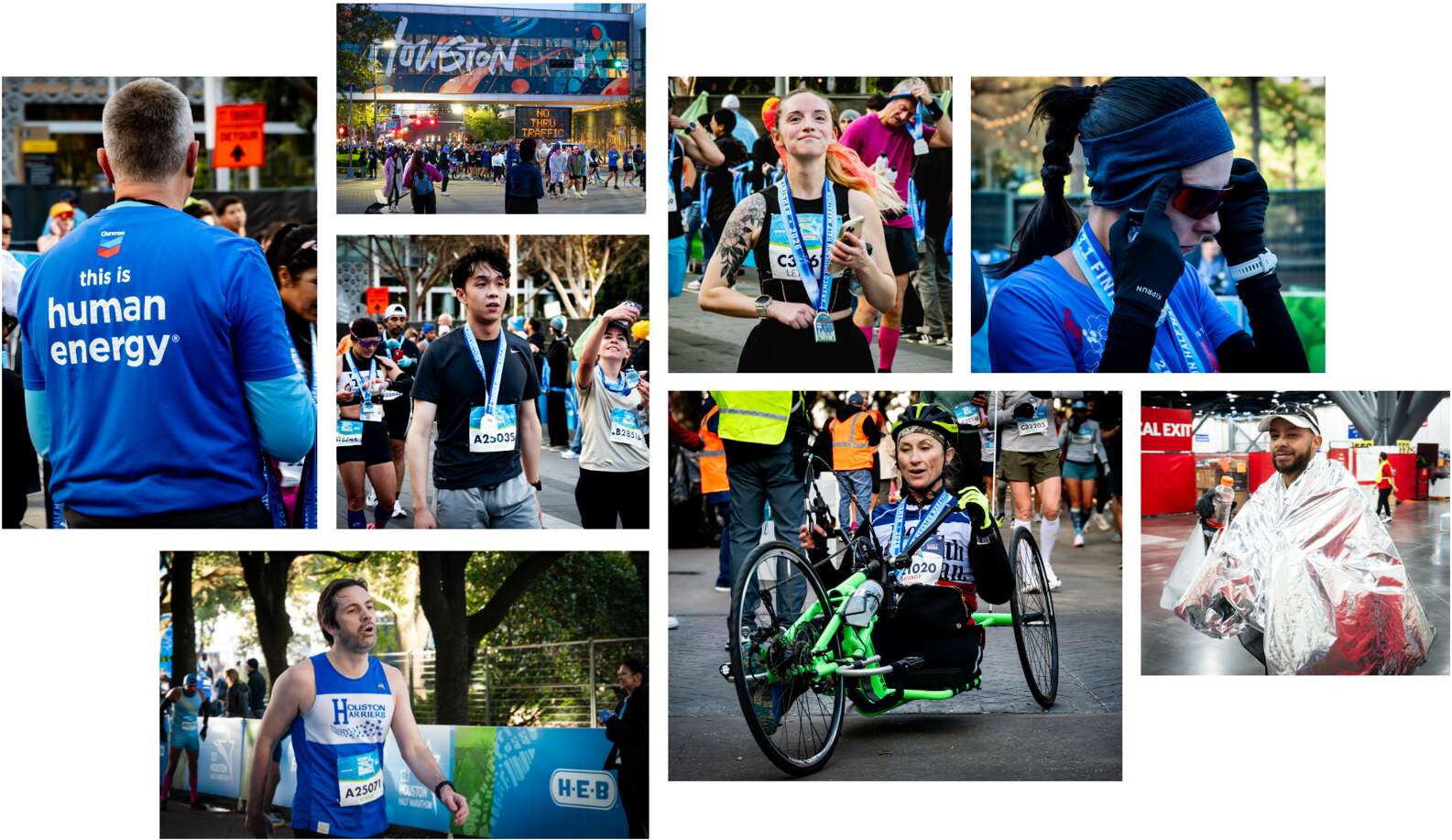
Known for its flat, fast, USATF (external link)-certified course, the marathon continues to attract runners of all levels: from first-time participants to elite athletes chasing qualifying times.
Behind the cheers and finish-line celebrations, the Department of Emergency Medicine at UTHealth Houston once again played a critical role in medical support, providing preparedness, clinical expertise, and coordinated care throughout race weekend.

Operating primarily out of the Critical Care medical triage area at the George R. Brown Convention Center (external link), the team was prepared to manage a wide range of medical needs. Clinicians treated runners for temperature-related illnesses using ice baths and warming measures, evaluated injuries, and provided supportive care to ensure patients were stabilized, thoroughly assessed, and safely reunited with family and friends.
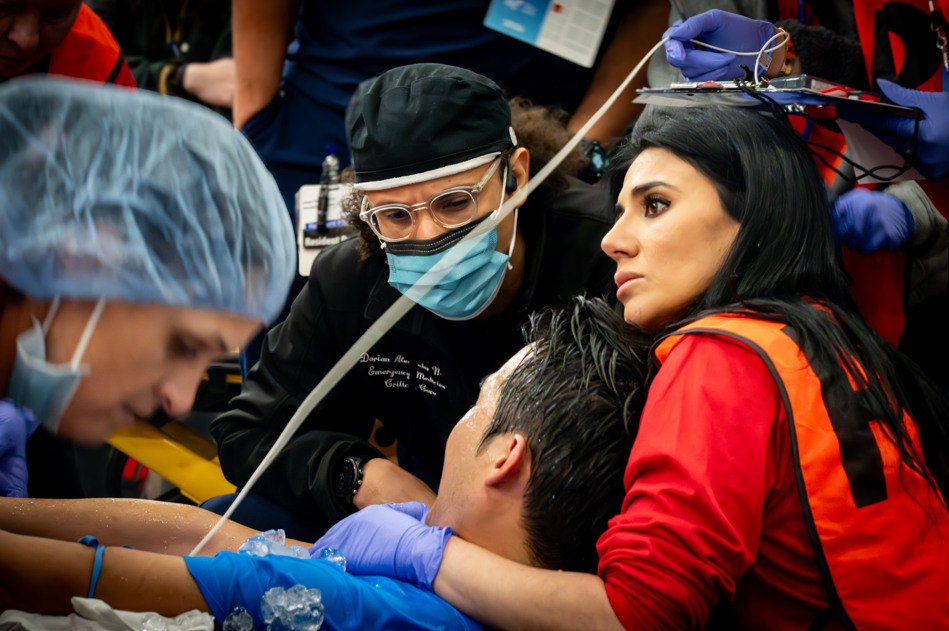
Space blankets, first-aid interventions, and comprehensive clinical evaluations were used throughout the day to help runners recover and regroup.
For the 3rd consecutive year, UTH-EM’s ECMO team stood on standby, continuing a program that made history as the first ECMO team available at a marathon in North America. This year also marked the first time transesophageal echocardiography (TEE) capability was available on-site during cardiac arrest, further strengthening advanced, real-time critical care capabilities.
Patients arrived to the Critical Care area not only from medical stations along the course, but also through coordinated transport with EMS partners across Houston, ensuring timely escalation of care when needed.
“Being here means we’re ready for anything – from minor bumps and bruises to heat- and cold-related conditions, we’ve got it covered.”
– Dr. Joe Gill, Medical Director for race-related medical operations
The weekend included 2 life-threatening cases requiring advanced care. One patient was treated for severe hyperthermia, and another experienced cardiac arrest with return of spontaneous circulation (ROSC), followed by EMS transport and continued emergency and cardiology care at Memorial Hermann Texas Medical Center.
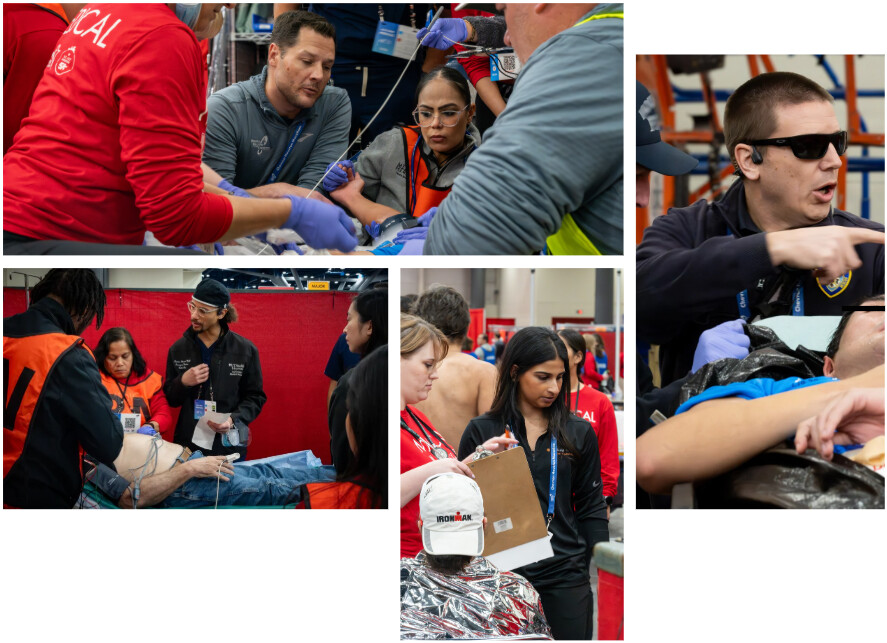
The event also served as a valuable learning experience for McGovern Medical School students, who assisted under supervision across multiple medical operations – supporting patient assessments, care flow, and logistics while gaining hands-on exposure to mass-gathering medicine.
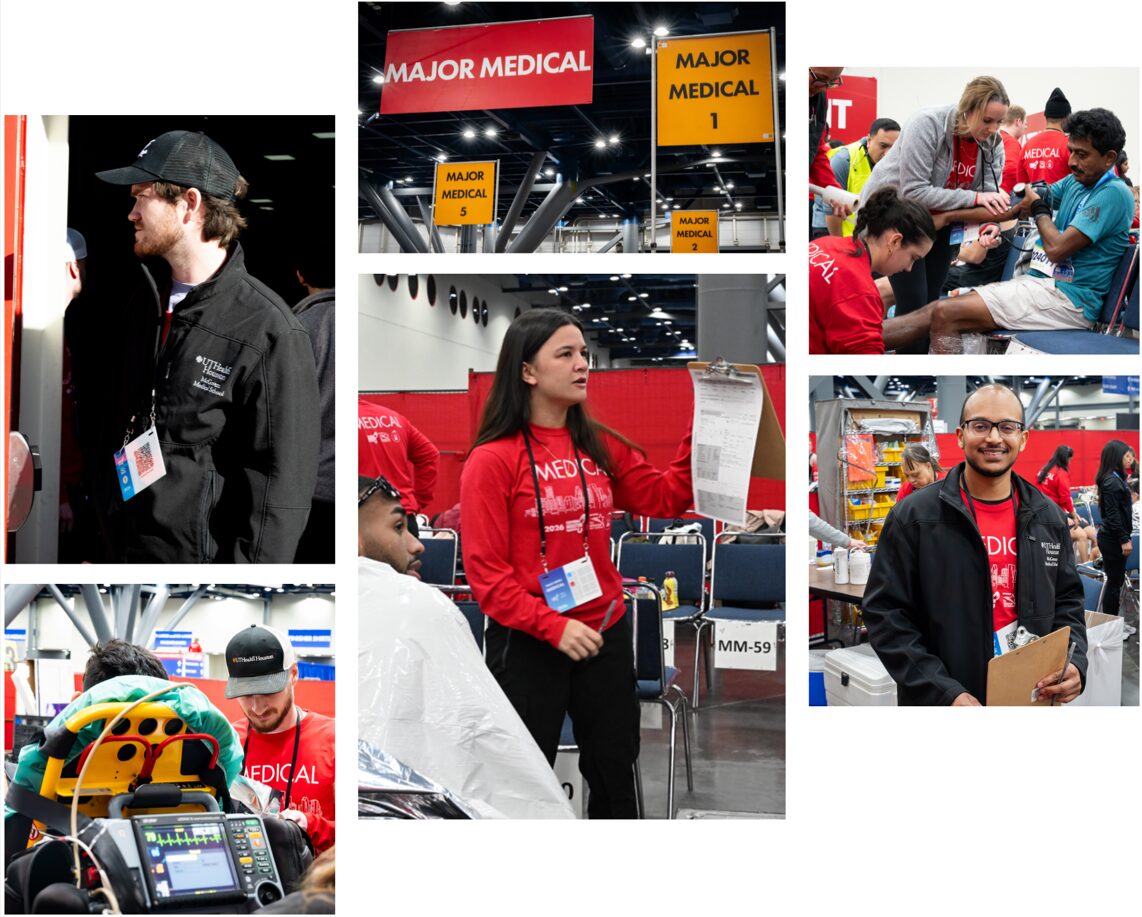
Supporting an event of this scale required close coordination among race officials, volunteers, EMS agencies, hospital partners, and medical leadership. It was a true team effort made possible by the broader medical community supporting the Houston Marathon.
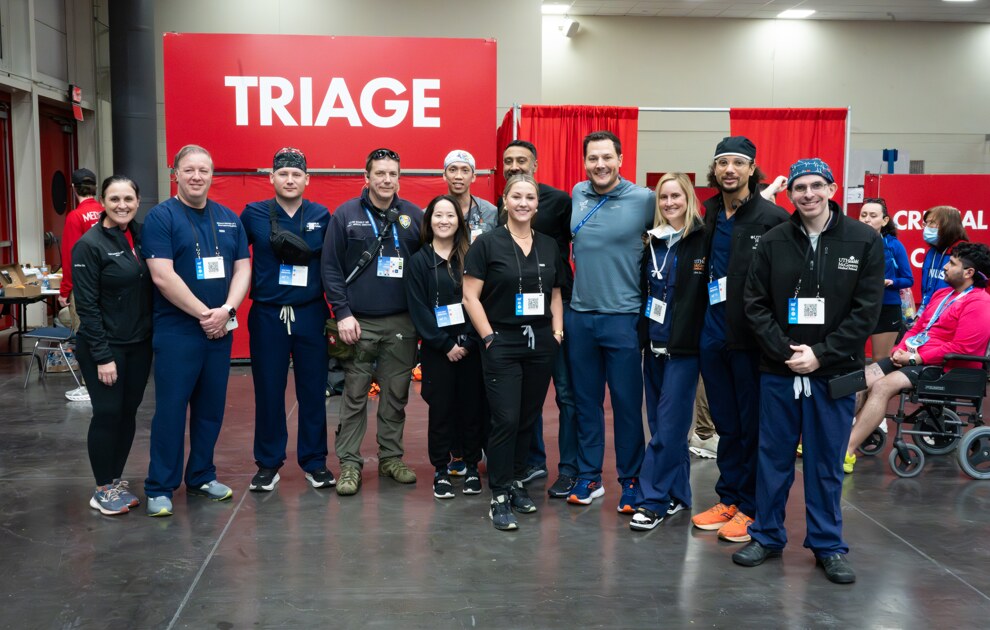
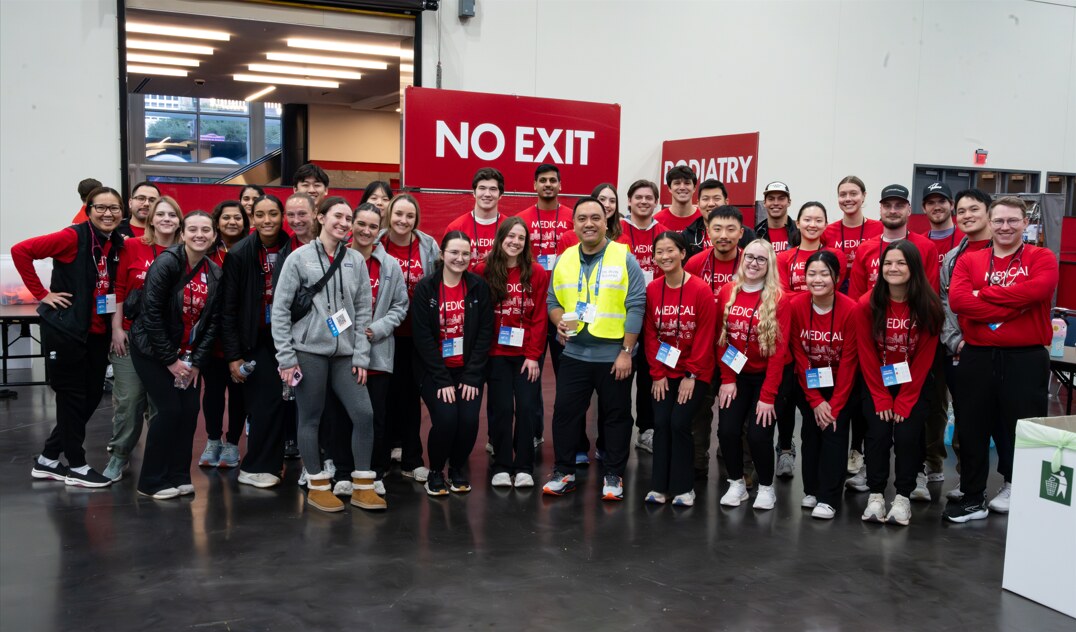
As Houston marks another successful marathon weekend, our team is proud to have contributed: providing care, support, and readiness from the first runners off the start line to the final finishers. Until next year, the finish line awaits… and so will we. ?