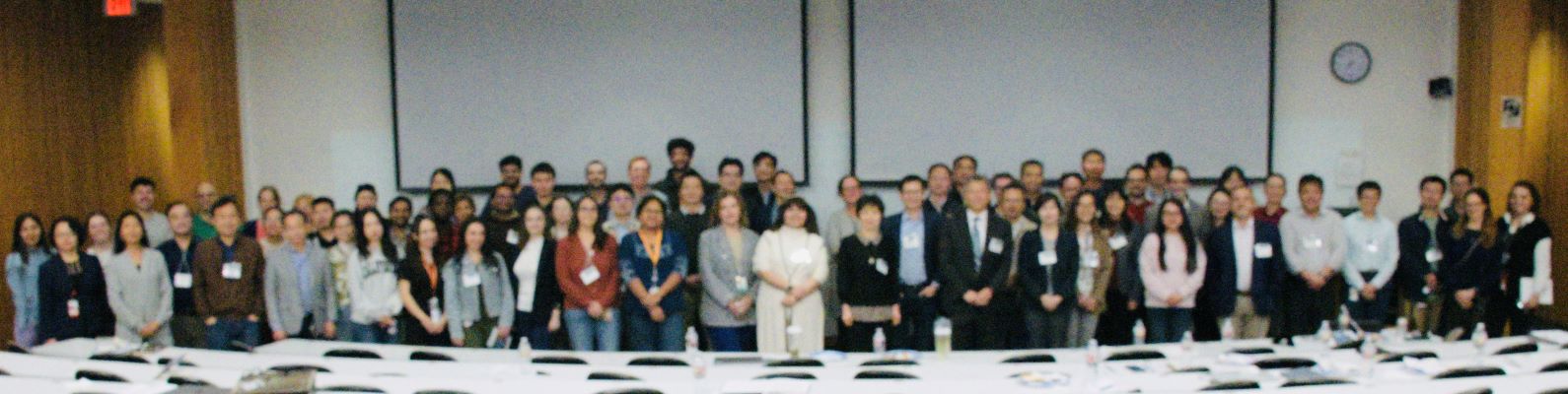
Center for Aging and Cognitive Dysfunction (CACD) Inaugural Research Retreat
On Wednesday, January 14, 2026, the Center for Aging and Cognitive Dysfunction (CACD) hosted its Inaugural Research Retreat, bringing together faculty, researchers, students, and trainees for an afternoon dedicated to scientific discovery and collaboration. The retreat provided an opportunity to reflect on emerging advances in aging, cognition, neuroinflammation, and perioperative brain health, while also acknowledging the remarkable dedication driving these efforts across the center. The event also created space for cross-disciplinary dialogue and connection among investigators at different career stages.
A heartfelt speech from our esteemed Co-Directors, Drs. Wei Cao and Zhongcong Xie, highlighted the event. Both expressed their sincere thanks for the time and effort that each CACD participant has invested in pushing the boundaries of research. Their remarks emphasized the collective drive behind the center’s mission, the importance of collaboration, and the immense value each member brings to the growing CACD community.
Research Program Highlights
The retreat opened with a keynote address by Dr. Guang Yang, Associate Professor of Anesthesiology at Columbia University, who presented “Astrocytes and brain border immunity in Alzheimer’s disease.” Dr. Yang highlighted emerging roles of astrocytes and immune activity at the brain’s borders, offering new insights into neuroimmune mechanisms that may contribute to Alzheimer’s disease and related neurodegenerative disorders.
Dr. Louise McCullough, Professor and Chair and Huffington Distinguished Chair at UTHealth Neurosciences, followed with a presentation on “Sex differences in stroke and dementia.” Her talk examined how biological sex influences stroke outcomes and dementia risk, emphasizing the importance of sex-specific considerations in both research design and clinical care.
Dr. Daniel Sessler, Professor and Vice President for Clinical and Outcomes Research, presented “Postoperative delirium,” focusing on perioperative risk factors, clinical implications, and the significance of delirium for surgical recovery and long-term cognitive outcomes.
Dr. Holger Eltzschig, Professor and McGovern Distinguished Chair, concluded the featured faculty presentations with “BMAL1–HIF2A heterodimer modulates circadian variations of myocardial injury.” His work highlighted how circadian biology intersects with inflammation and metabolism to influence cardiac injury and perioperative outcomes.
The retreat also included concise presentations from CACD investigators examining neuroimmune and cardiometabolic mechanisms underlying cognitive dysfunction. Topics ranged from microglial signaling during anesthesia and obesity-associated neuroinflammation to autonomic dysfunction, cardiometabolic disease, and their links to cognitive impairment. Short talks from early-career investigators and postdoctoral fellows showcased innovative approaches to understanding delirium and Alzheimer’s disease, including circuit-specific tau targeting, astrocyte-focused therapeutics, immune signaling pathways, and bone marrow–brain axis mechanisms. Together, these presentations reflected the breadth, depth, and collaborative spirit of CACD research.