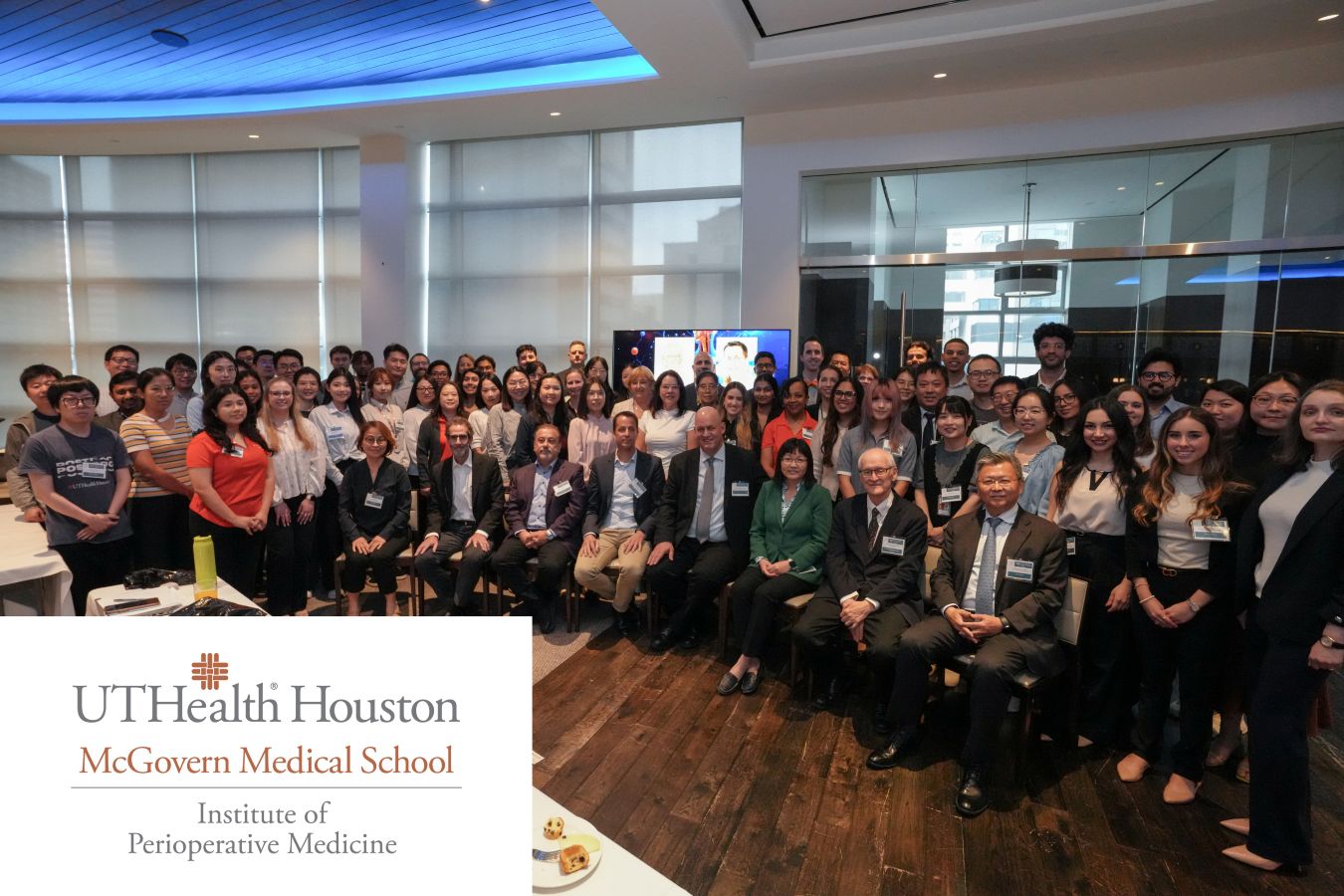
The 2026 IPM Research Retreat: Advancing Perioperative Medicine from Bench to Bedside
The 2026 Institute of Perioperative Medicine (IPM) Research Retreat, held on May 21, 2026, delivered a full day of cutting-edge science, clinical translation, and collaboration. Hosted by UTHealth Houston McGovern Medical School, the event brought together researchers, clinicians, and trainees to explore the latest discoveries in perioperative medicine, spanning pulmonary and critical care, aging and cognitive dysfunction, hepatobiliary research, and artificial intelligence applications. The program featured a warm welcome from Dr. Holger Eltzschig, MD, PhD, Dr. Cynthia Ju, PhD, and Dr. John Hancock, MA, MB, BChir, PhD, ScD, two keynote speakers, oral presentations from five Centers, a competitive poster session, and an evening reception with live music.
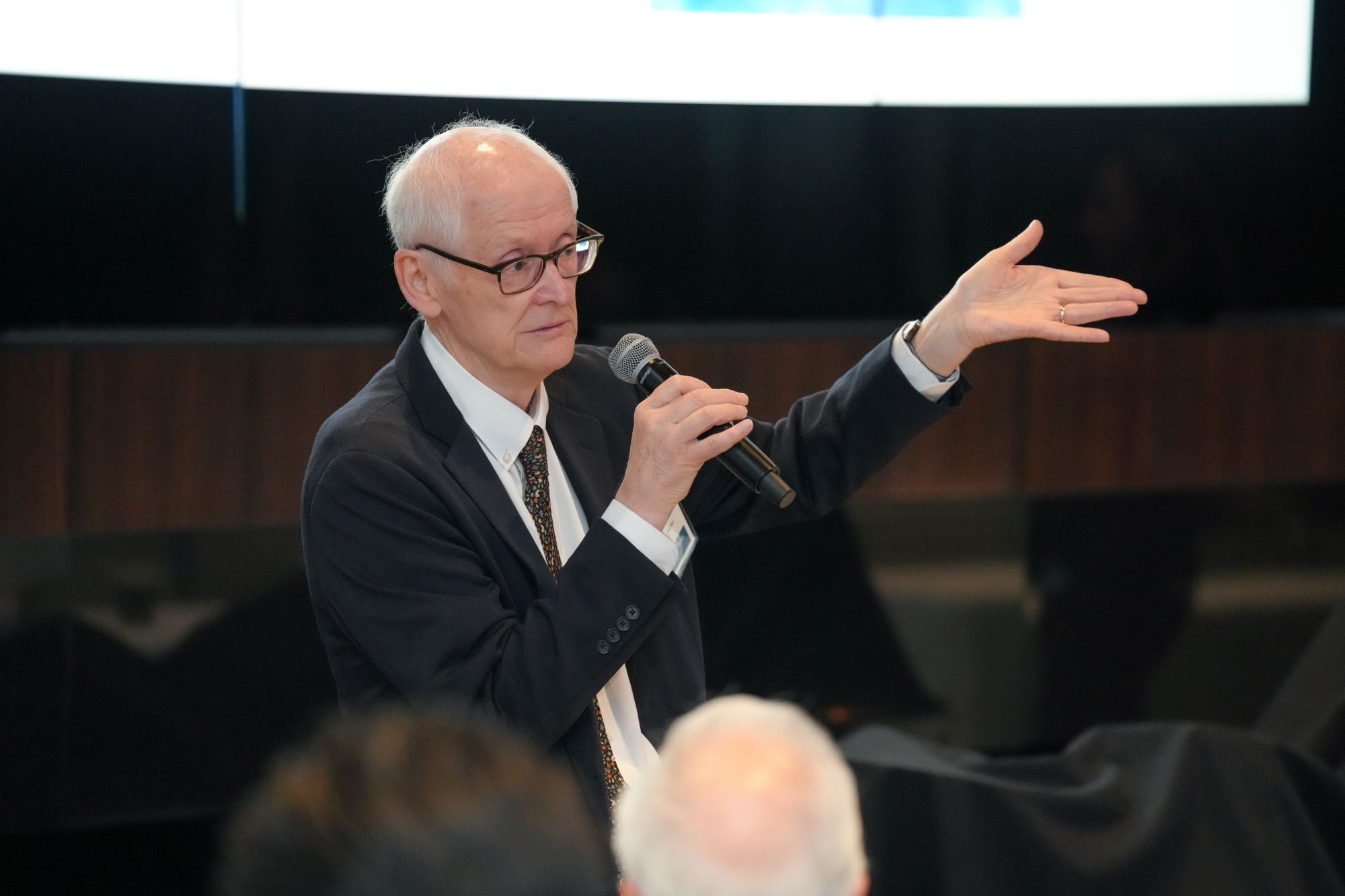
The morning opened with a keynote seminar by Dr. Simon Robson, MB, ChB, PhD, Professor and endowed Chair at Harvard Medical School. In his talk, “Clinical Xenotransplantation Inflammation and Disordered Coagulation Translational Aspects, Clinical Trials & Perspectives,” Dr. Robson reviewed key molecular barriers to pig-to-human transplantation, including dysfunctional pig TFPI and thrombomodulin, and heightened porcine von Willebrand factor interactions with human platelets. He highlighted major genetic engineering advances, such as Gal-knockout pigs expressing multiple human transgenes for complement and coagulation regulation, and provided an update on early clinical experiences with pig heart, kidney, and liver xenotransplants. While CD40/CD154 blockade has extended graft survival, he emphasized that antibody-mediated rejection, thrombotic injury, and zoonotic risks remain significant challenges.
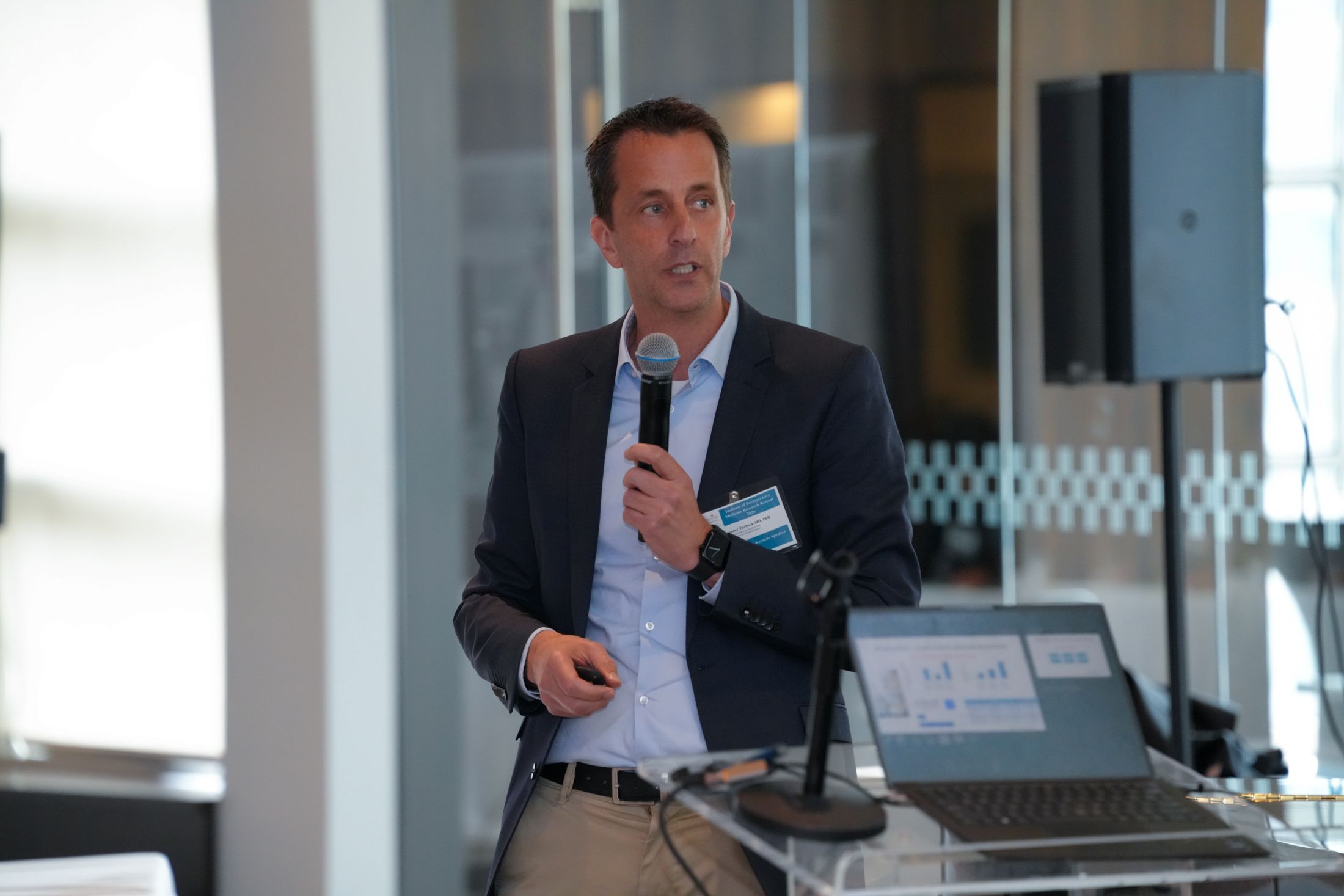
In the afternoon, another keynote speaker, Dr. Alexander Zarbock, MD, PhD, Professor and Director at University Hospital Münster, delivered a forward-looking presentation titled “AKI Biomarkers – A Path Towards Personalized Medicine.” Dr. Zarbock described the high burden of perioperative acute kidney injury (AKI), which affects nearly 19% of surgical patients and is associated with increased mortality, prolonged hospital stays, progression to chronic kidney disease, and higher costs. He discussed the persistent “evidence-practice gap” and explained how cell-cycle arrest biomarkers such as [TIMP-2]·[IGFBP7] enable early detection of kidney stress before creatinine rises. His presentation illustrated the shift from one-size-fits-all care to precision medicine through timely, biomarker-guided interventions.
Additional oral presentations were organized by IPM research centers and showcased a wide range of innovative work.
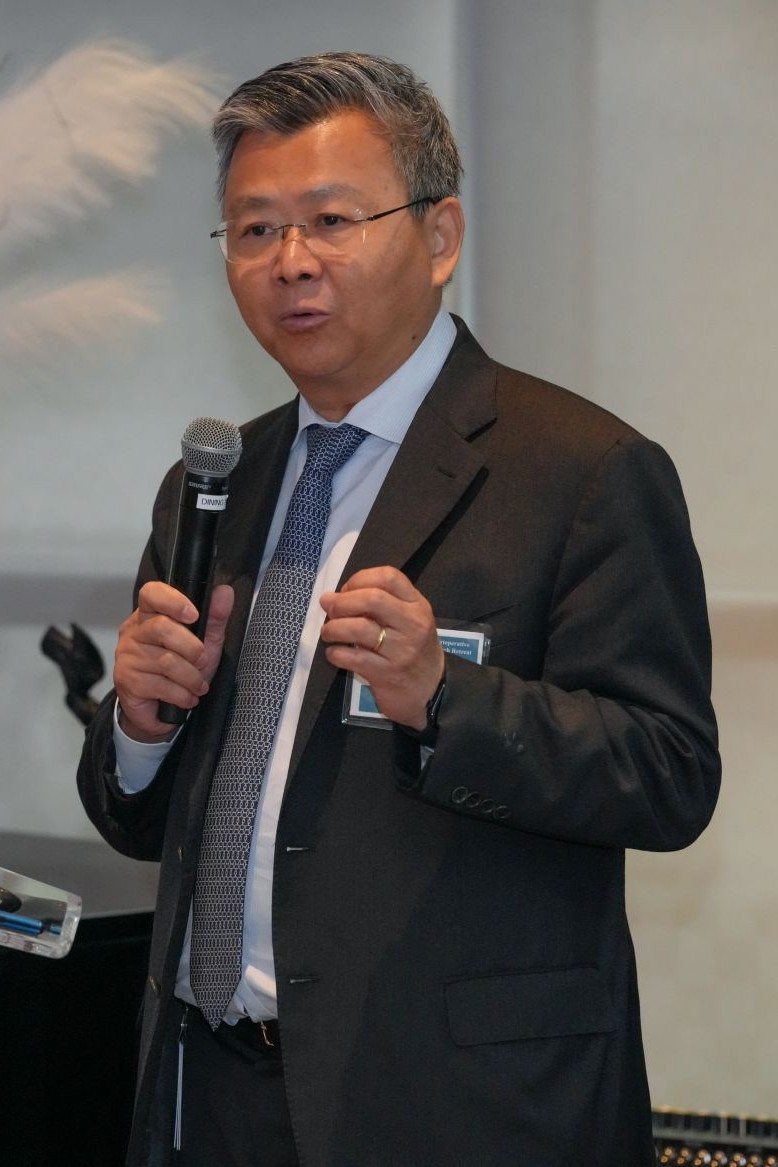
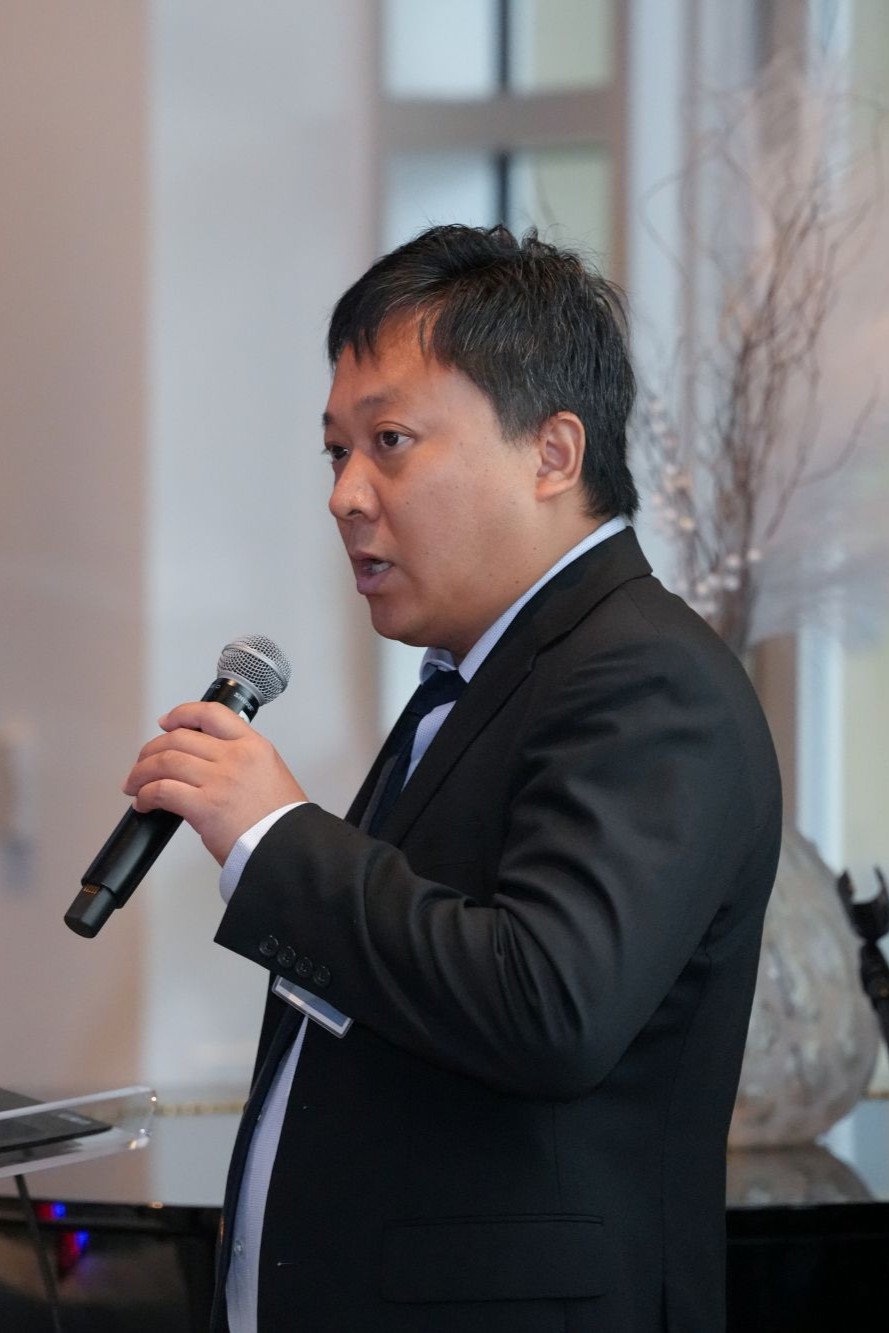
Center for Aging and Cognitive Dysfunction (CACD)
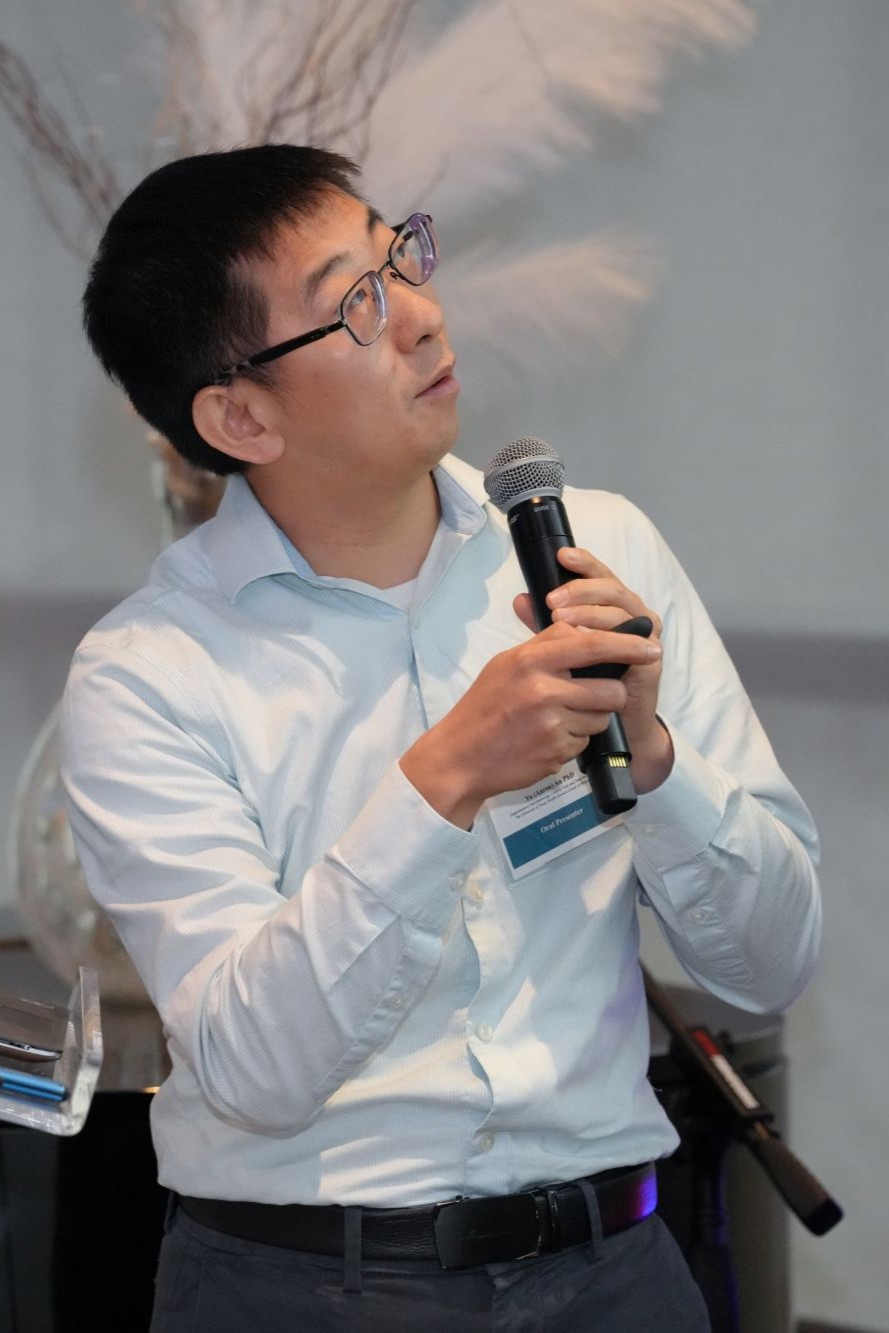
- Dr. Aaron An, PhD, presented “Mitochondrial regulation of adipose tissue inflammation and homeostasis.” His work investigates how mitochondrial function within adipose tissue critically controls inflammatory signaling pathways and maintains metabolic homeostasis, with important implications for aging-related cognitive dysfunction and systemic inflammation.
- Dr. Zhongcong Xie, MD, PhD, discussed “Biomarker and pathogenesis of postoperative delirium.” He presented recent findings on novel biomarkers and the underlying molecular and cellular mechanisms that drive the development of postoperative delirium, a common and debilitating complication that significantly affects cognitive recovery in older surgical patients.
- Dr. Dongze Zhang, PhD, explored “Ang II/Cx43-mediated electrical remodeling after myocardial infarction.” His research details the signaling pathways through which angiotensin II and connexin-43 contribute to pathological electrical remodeling in cardiac tissue following myocardial infarction, offering new insights into arrhythmia risk and potential therapeutic targets.
   |
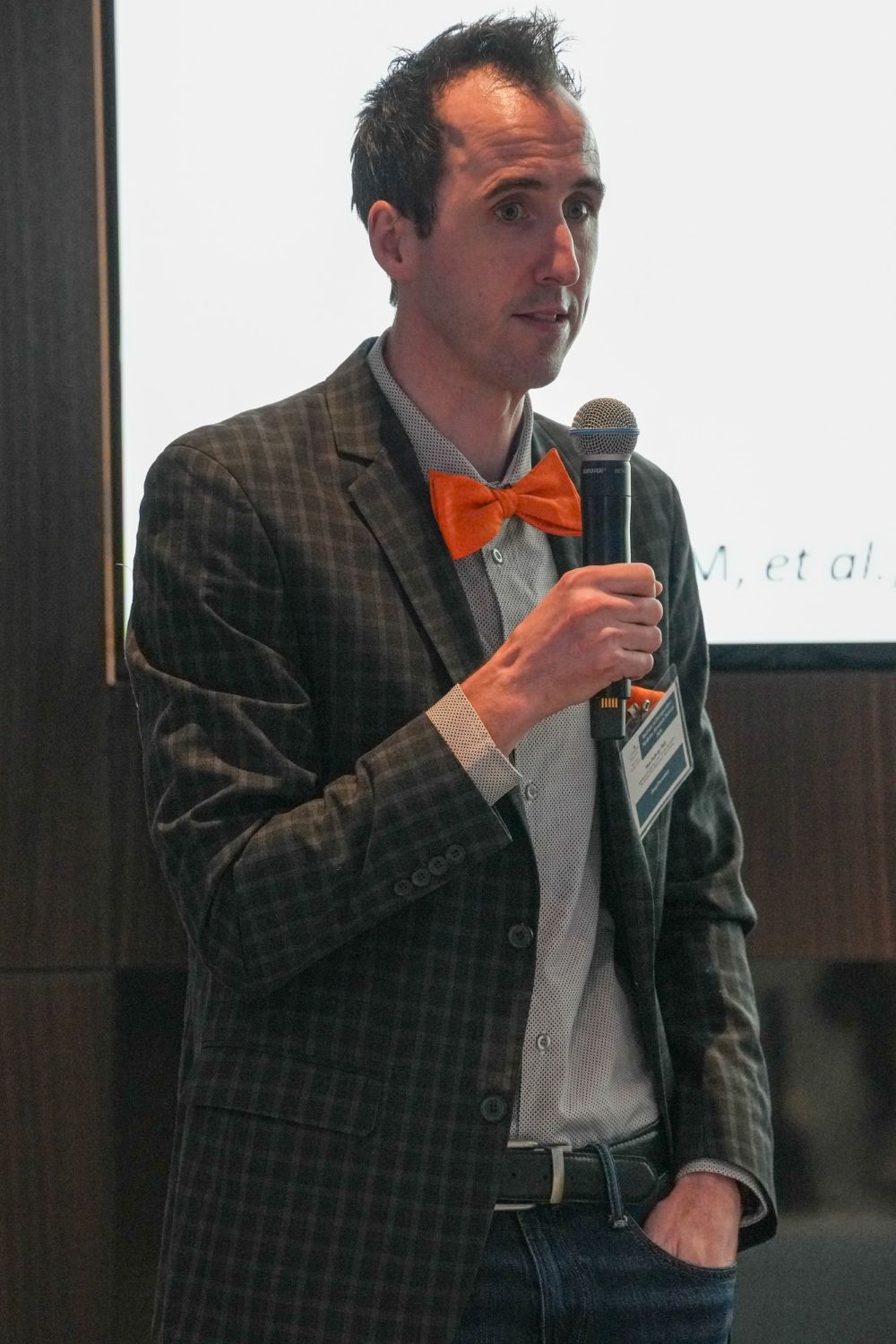
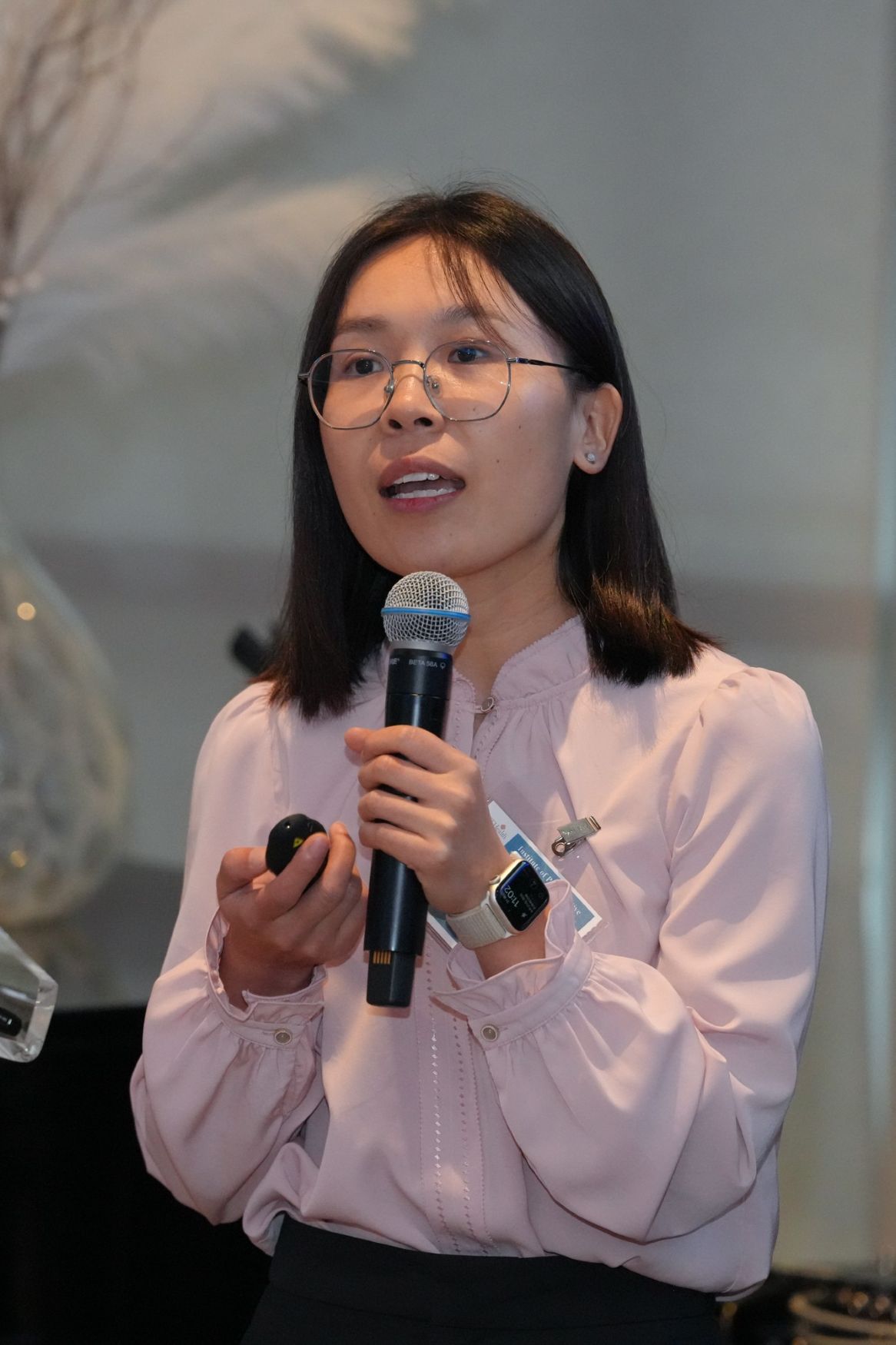
Center for Pulmonary and Critical Care Medicine (CPCM)
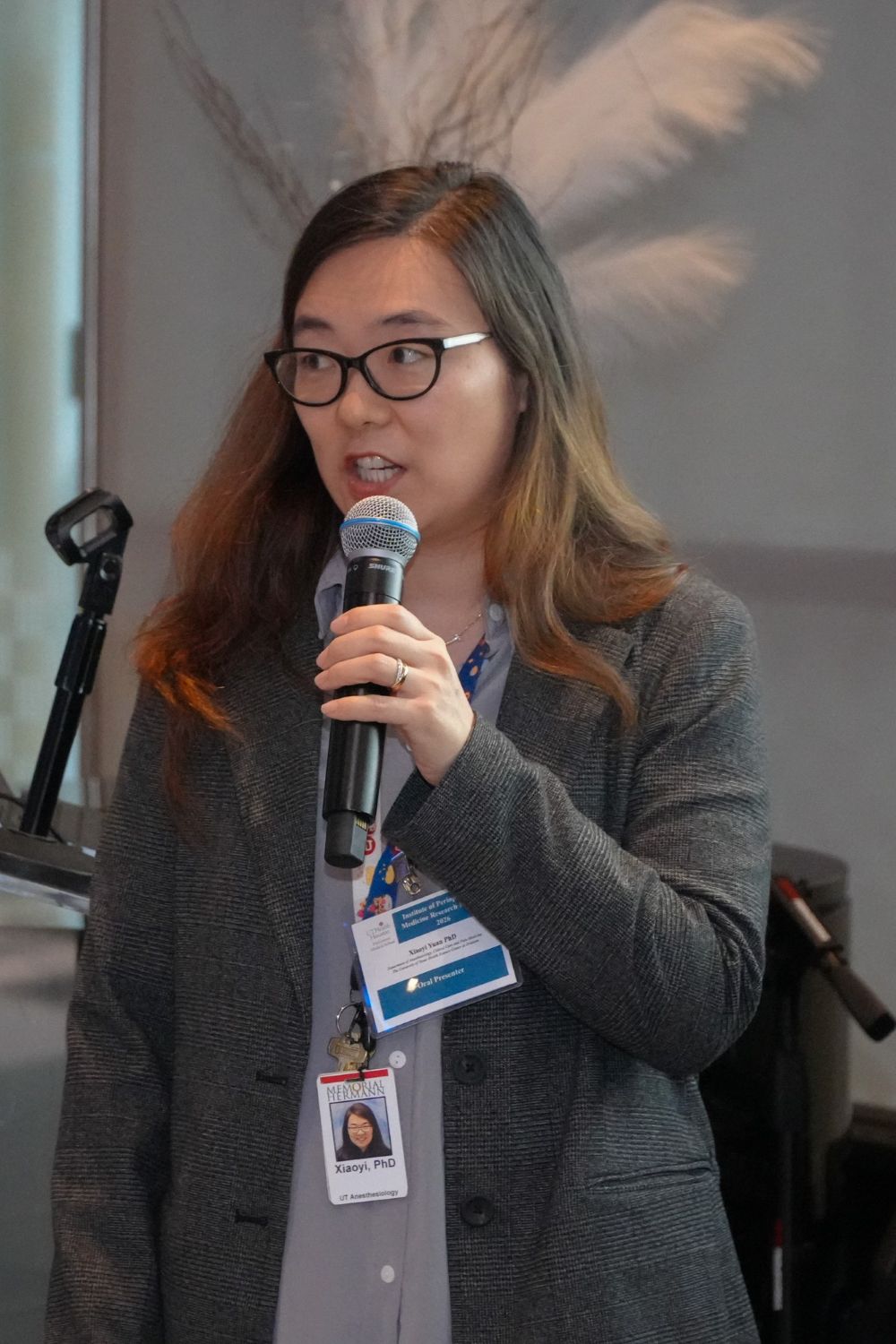
- Dr. Xiaoyi Yuan, PhD, examined “Platelet-d
- erived microRNA miR-27a-5p in ventilator-induced lung injury.” She demonstrated the protective role of this specific platelet-derived microRNA in mitigating lung damage caused by mechanical ventilation, highlighting a novel endogenous pathway that could be harnessed to reduce ventilator-associated complications.
- Dr. Cong Luo, MD, PhD, highlighted “HIF2A-Amphiregulin Signaling in Tregs Promotes Cardiac Repair After Myocardial Injury.” His presentation showed how hypoxia-inducible factor 2α and amphiregulin signaling within regulatory T cells enhances cardiac repair processes following myocardial injury, revealing a promising immunoregulatory mechanism for improving heart recovery.
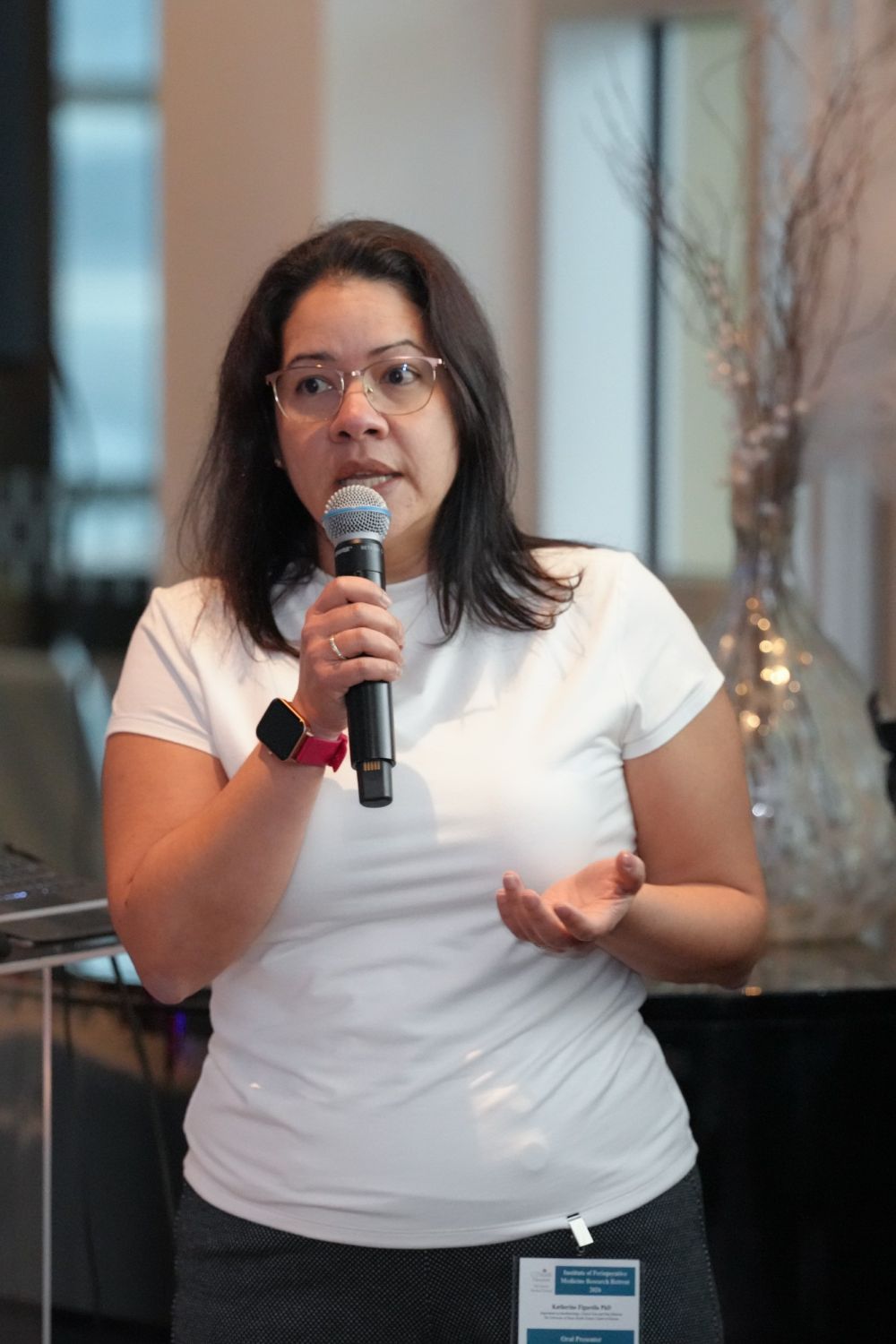
- Dr. Katherine Figarella, PhD, described “A2B receptor pathways orchestrate immunity and repair in severe viral pneumonia.” She revealed the critical role of adenosine A2B receptors in coordinating balanced immune responses and promoting lung tissue repair during severe viral infections, identifying potential targets to improve outcomes in viral pneumonia and ARDS.
- Dr. Matthew DeBerge, PhD, presented “Rewiring macrophage metabolism to promote repair after cardiac injury.” His work illustrated how targeted metabolic reprogramming of macrophages can shift their phenotype toward pro-repair functions, significantly enhancing cardiac healing and offering new therapeutic avenues for post-injury recovery.
    |
Center for Hepatobiliary and Gastrointestinal Research (CHGR)
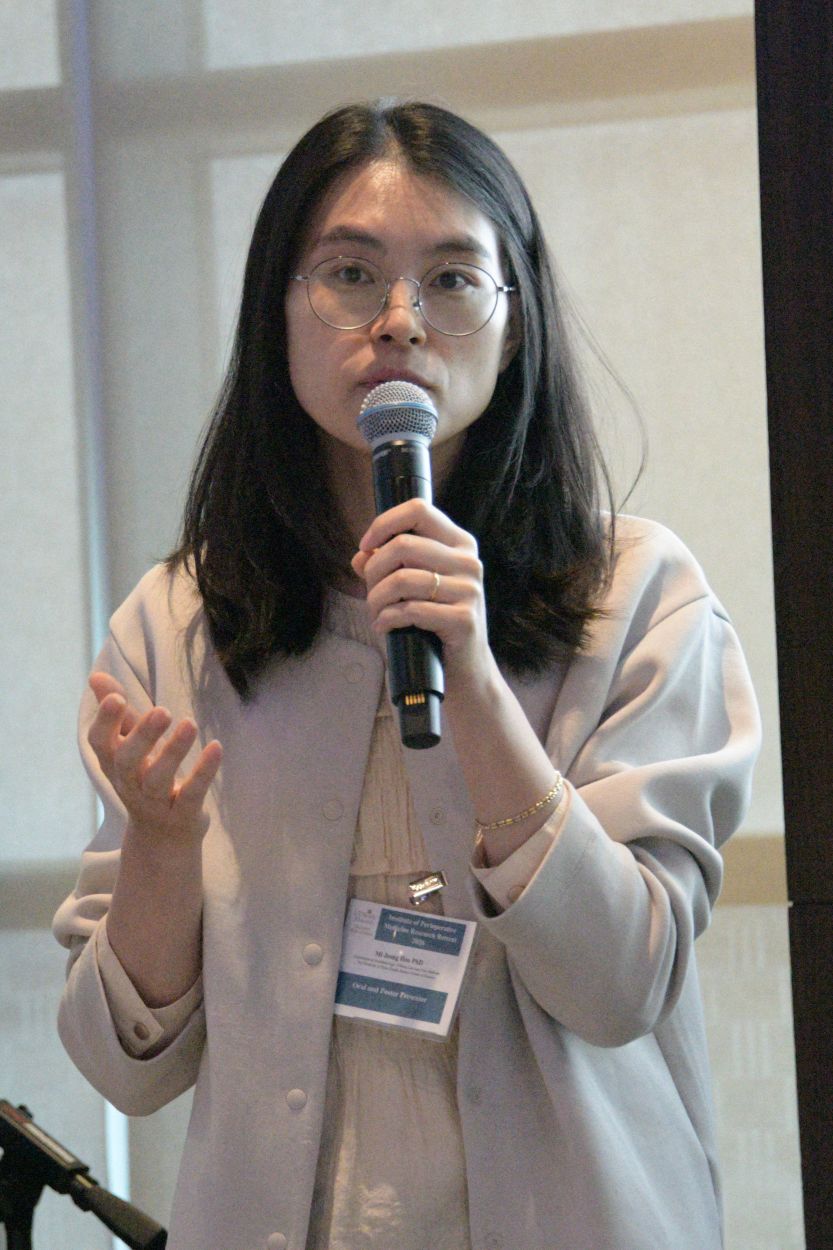
- Dr. Mi Jeong Heo, PhD, discussed “Kynurenine-AHR Axis in Cholestatic Liver Disease.” Her research explores how the kynurenine–aryl hydrocarbon receptor signaling axis drives the progression of cholestatic liver injury, providing mechanistic insights that may lead to new treatments for cholestatic liver diseases.
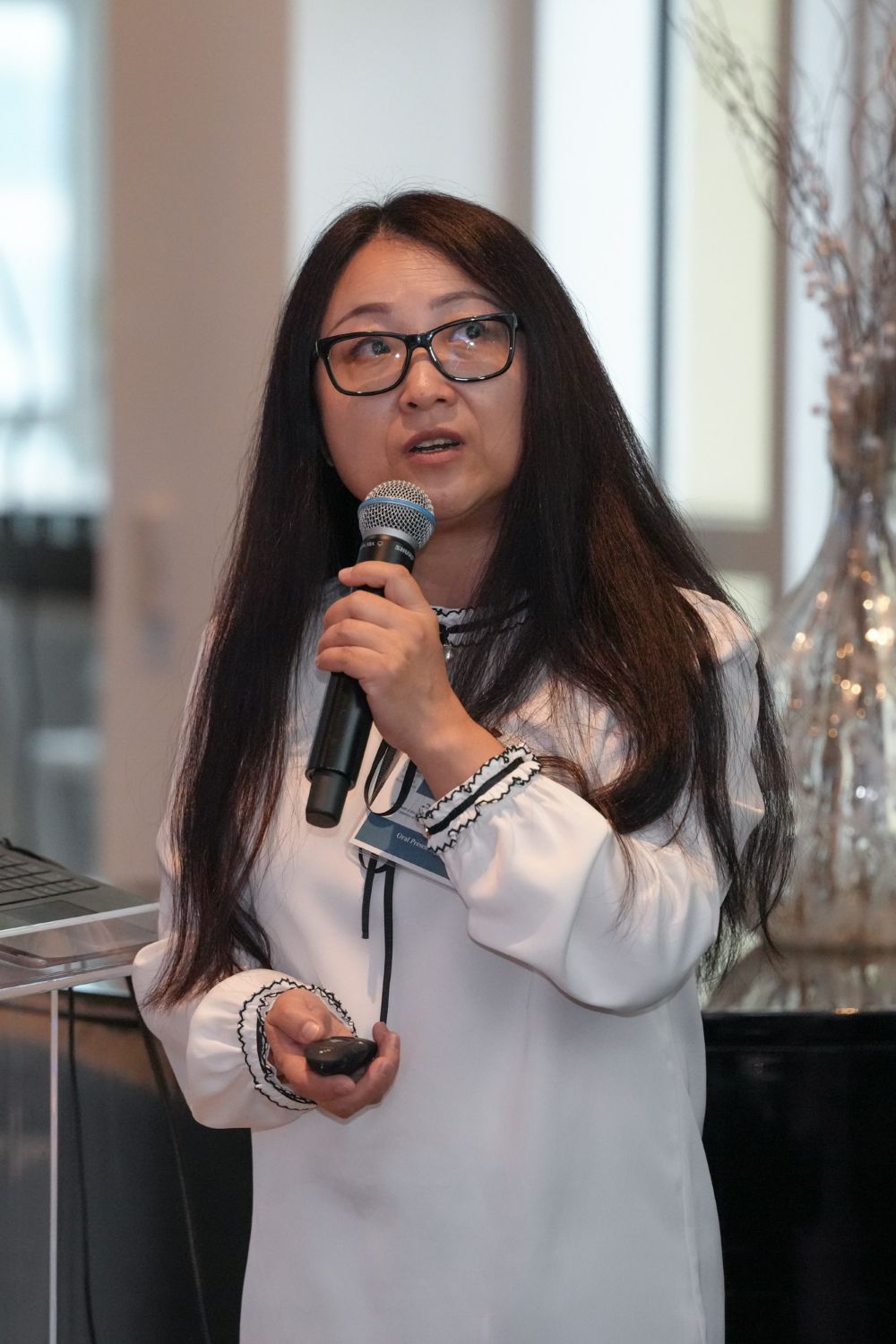
- Dr. Juli Bai, PhD, covered “Mitochondrial SIRT3 and Immune Signaling in MASH and HCC.” She focused on the mitochondrial deacetylase SIRT3 and its role in regulating immune responses during metabolic dysfunction-associated steatohepatitis (MASH) and its progression to hepatocellular carcinoma (HCC), highlighting SIRT3 as a potential therapeutic modulator.
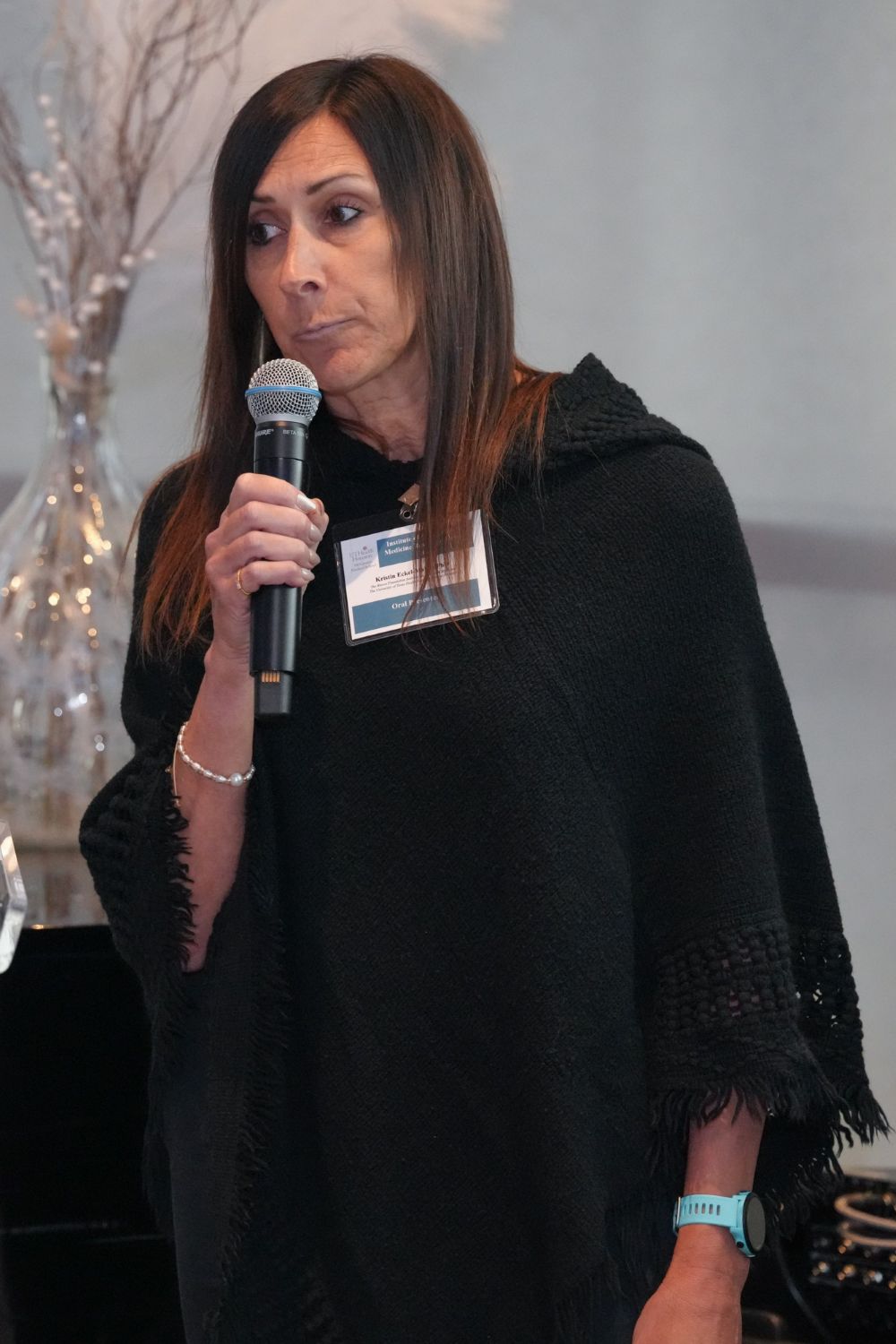
- Dr. Kristin Eckel-Mahan, PhD, presented “Mechanisms of circadian restraint in liver disease progression.” Her talk examined how disruptions in the body’s circadian clock regulate metabolic and inflammatory pathways that influence the development and severity of liver disease, underscoring the importance of circadian biology in liver pathophysiology.
   |
Center for Outcomes Research (COR)
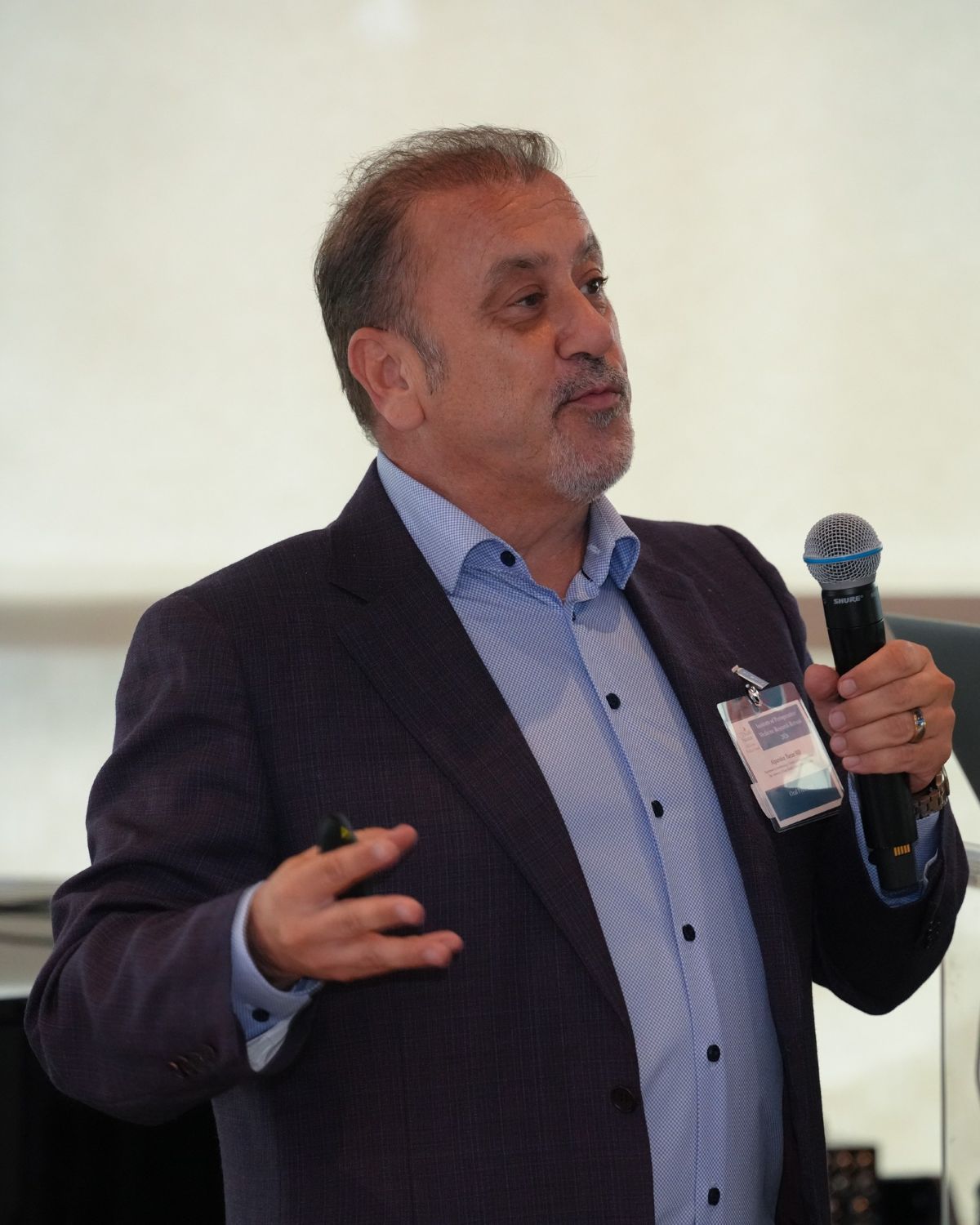
- Dr. Alparslan Turan, MD, shared results from “Effect of Quantitative vs Qualitative Neuromuscular Monitoring on Postoperative Oxygenation and Pulmonary Complications: The QUANTUM Cluster-Randomized Crossover Trial.” This large trial compared the clinical impact of quantitative versus qualitative neuromuscular monitoring strategies on postoperative respiratory outcomes and pulmonary complications in surgical patients.
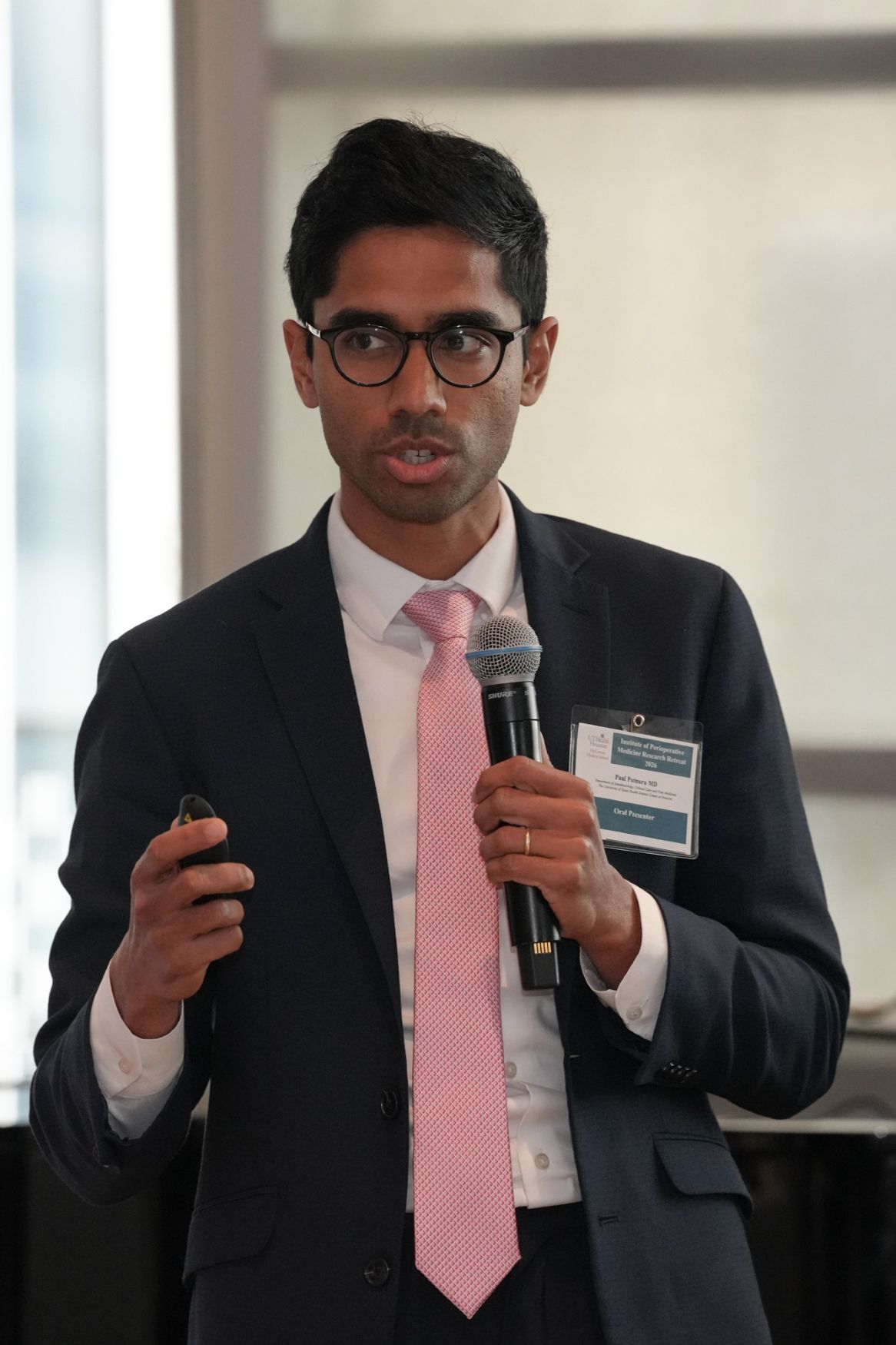
- Dr. Paul Potnuru, MD, examined “Research Participation and Postoperative Outcomes after Major Noncardiac Surgery.” His study analyzed whether involvement in clinical research influences postoperative recovery, complication rates, and overall outcomes in patients undergoing major noncardiac procedures.
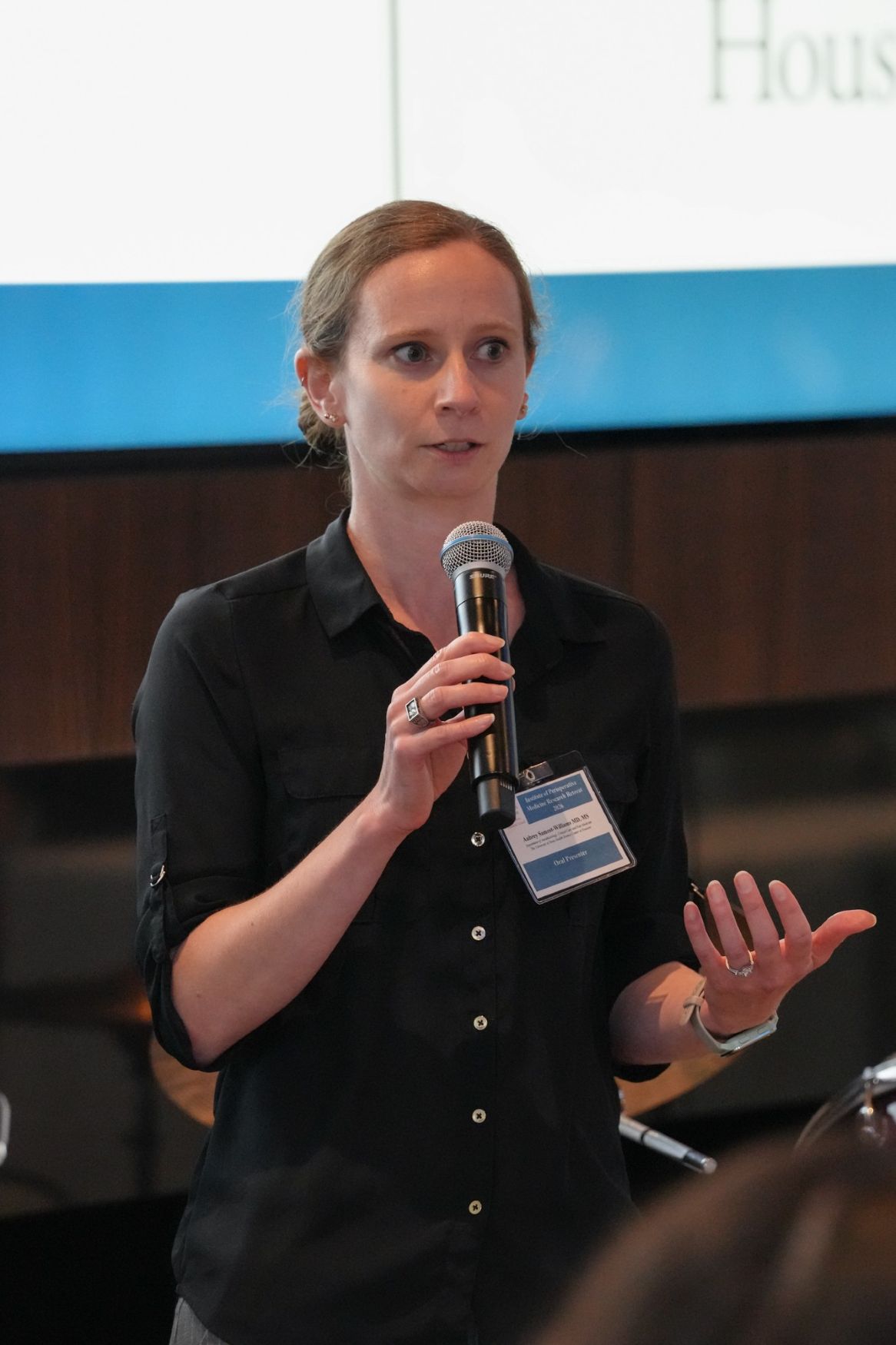
- Dr. Aubrey Samost-Williams, MD, explored “Grounding Clinical Trials in Human Experiences: The Role of Qualitative Research.” She emphasized how qualitative research methods can better incorporate patient perspectives and lived experiences into the design, conduct, and interpretation of clinical trials.
   |
Center for Perioperative Artificial Intelligence Research (PAIR)
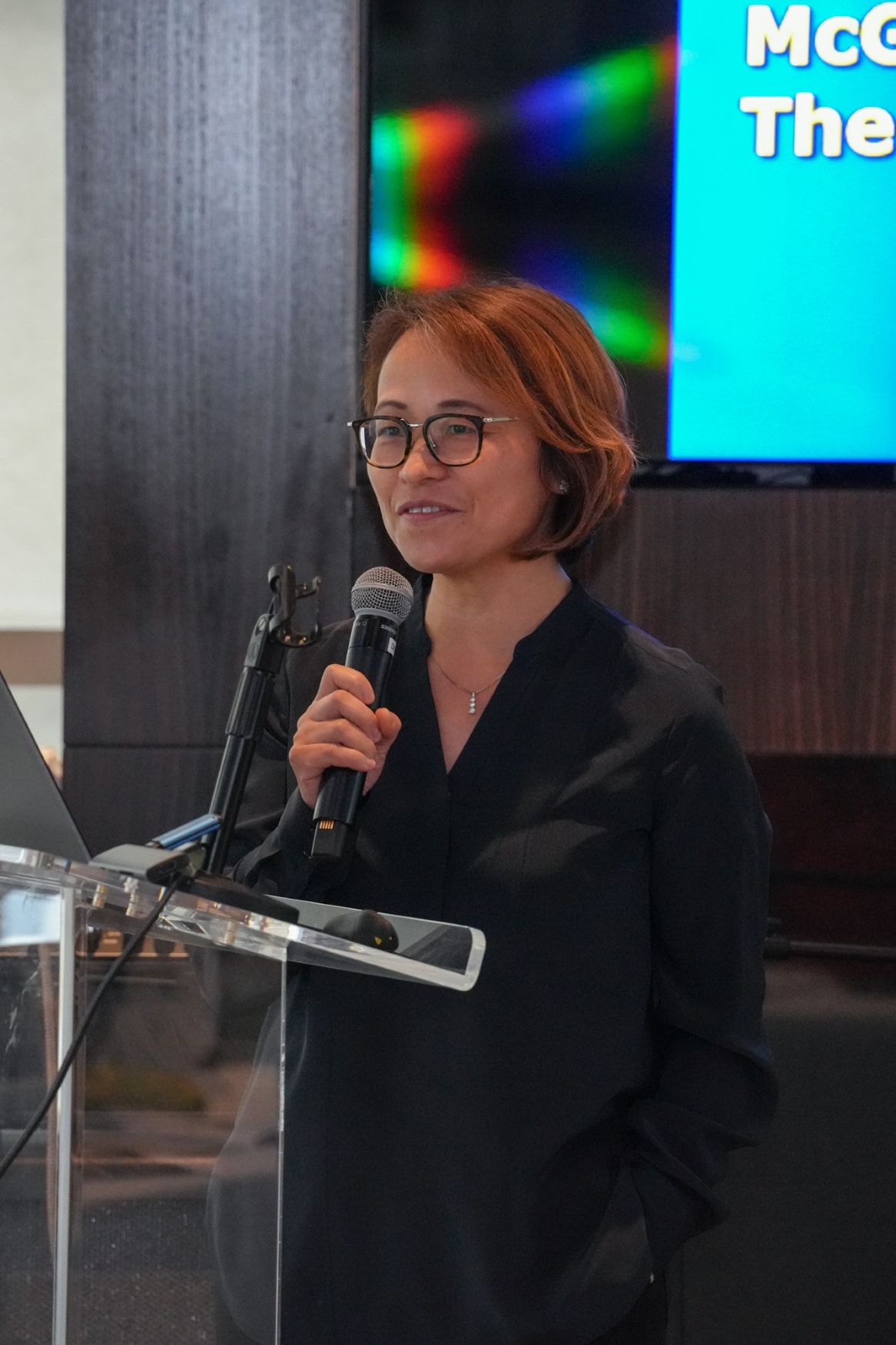
- Dr. Yafen Liang, MD, presented “Targeting Renal H+-K+-ATPase for Perioperative Acute Kidney Injury Prevention.” Her research investigates the therapeutic potential of modulating the renal H+-K+-ATPase ion pump as a novel strategy to protect kidneys from injury during the perioperative period.
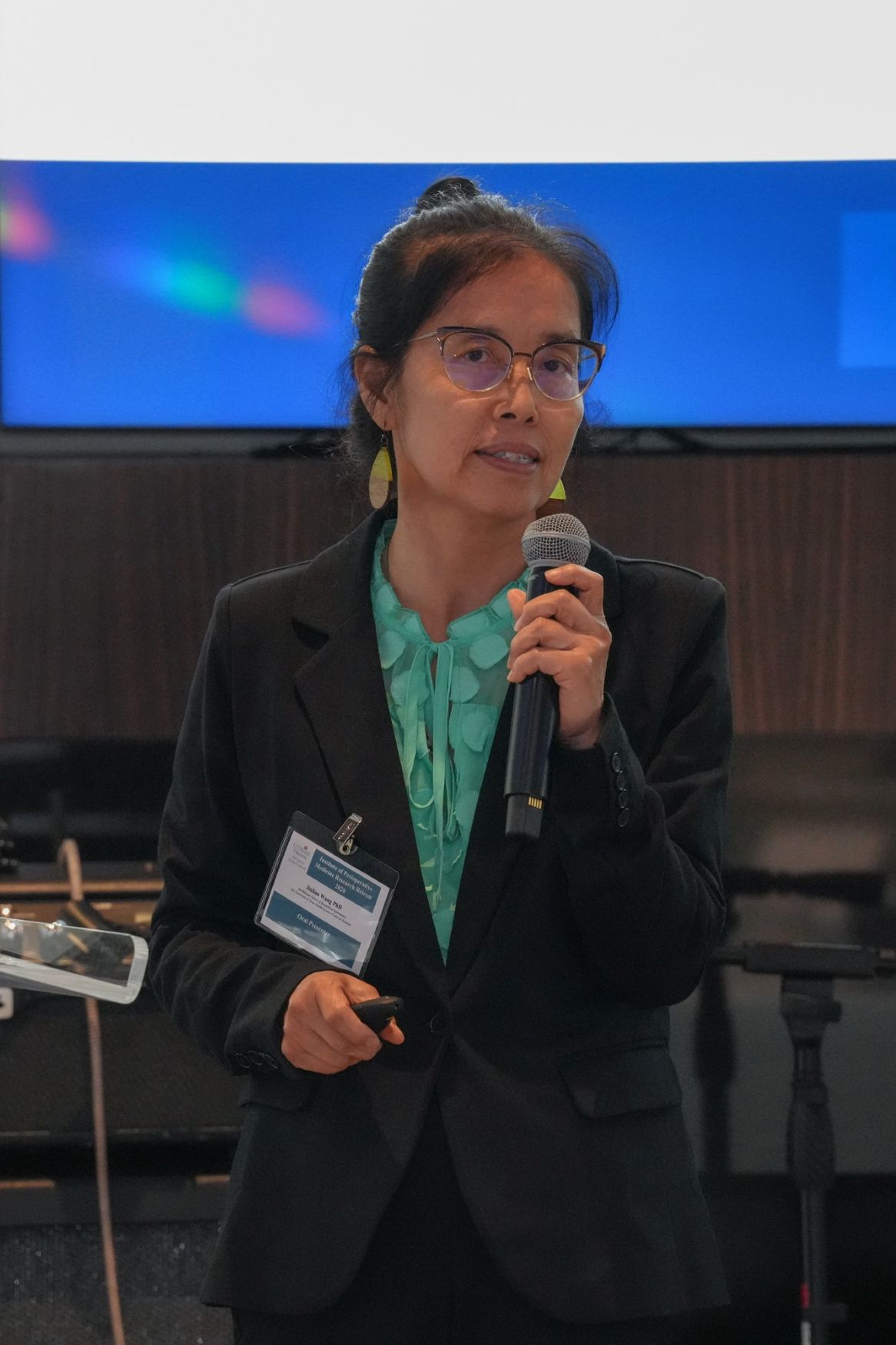
- Dr. Jinlian Wang, PhD, introduced “POI-KB-ARDS: An Evidence-Anchored Biomedical Knowledge Graph Bridging the Research-to-Practice Gap.” She demonstrated an AI-powered biomedical knowledge graph designed to integrate and translate ARDS research evidence more effectively into clinical decision-making.
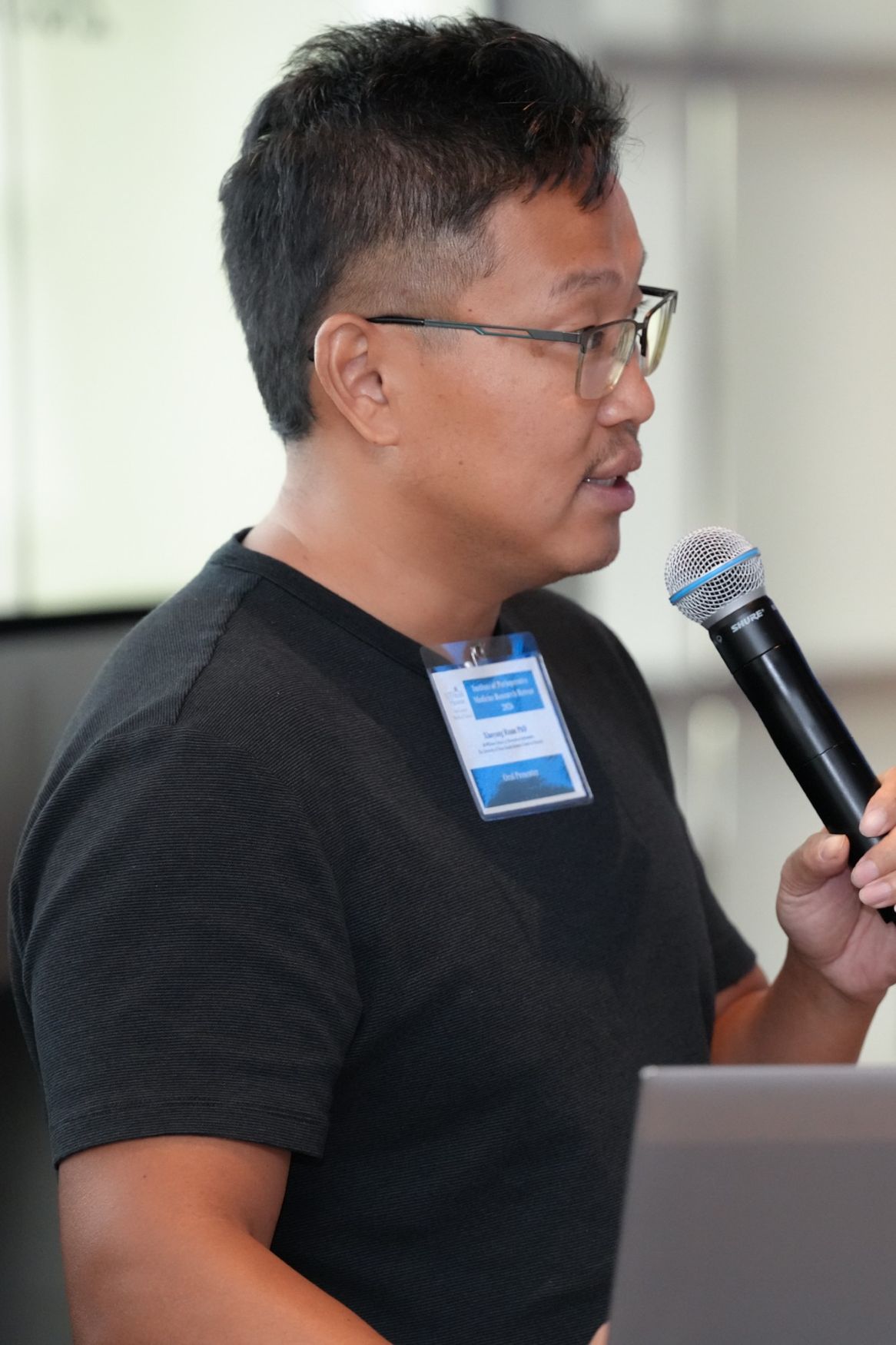
- Dr. Xiaoyang Ruan, PhD, discussed “Transforming perioperative organ injury through knowledge base and dynamic EHR based prediction.” His work presented advanced predictive modeling that combines biomedical knowledge bases with real-time electronic health record data to forecast and prevent perioperative organ injury.
   |
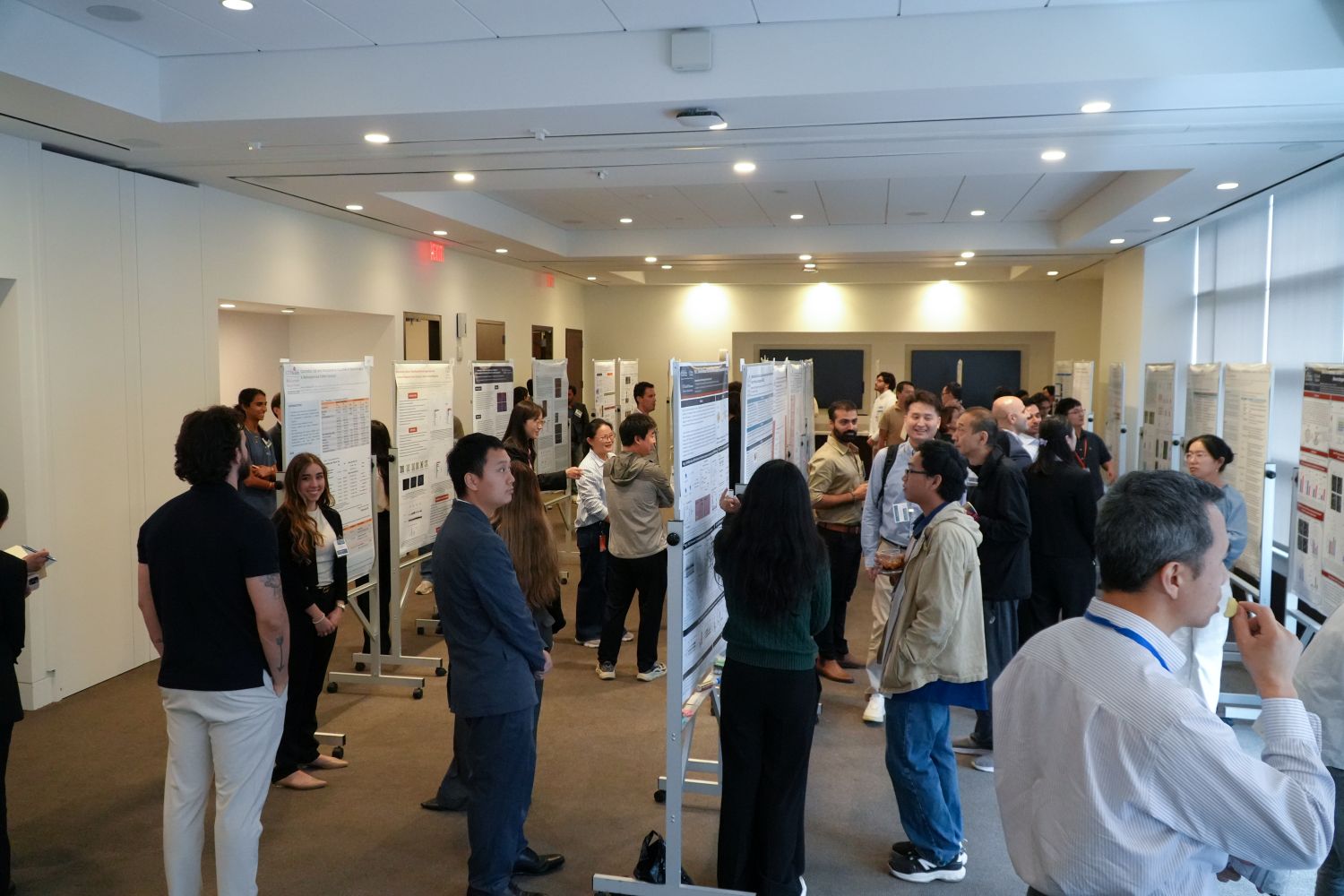
The retreat also had a record high of participants in poster presentation, with 49 poster presenters describing studies spanning from fundamental mechanistic studies to translational and clinical investigations in perioperative medicine.
1st Prize
- Junda Gao (CHGR) – “Therapeutic Targeting of TREM2⁺ Macrophages to Accelerate Liver Repair After Traumatic Injury”
- Loay Allafy (COR) – “The Impact of GLP-1 Receptor Agonist Use on Postoperative AKI: A Retrospective Cohort Study”
2nd Prize
- Alexandra Serrato (CACD) – “FGF1: a Novel Mitokine that Drives White Adipose Tissue Healthy Remodeling”
- Qiang Wang (CACD) – “Therapeutic Targeting of Astrocytic Chi3l1 with a Brain-Penetrant Bispecific Antibody in a Mouse Model of Alzheimer’s Disease”
3rd Prize
- Jihoon Tak (CPCM) – “Hypoxia-inducible factor-2 alpha attenuates hepatic ischemia-reperfusion injury through induction of miR-223”
- Roshan Mara (COR) – “Redefining Recovery: A Biopsychosocial Model for Acute Pain in Older Adults”
- Valerie Anderson (COR) – “Association of Cannabis Use with Postoperative Outcomes After Trauma Surgery: A Retrospective Cohort Analysis”
- Neeraj Suresh (CPCM) – “Vadadustat Demonstrates a Protective Effect in a Rat Model of Hemorrhagic Shock”
Congratulations to all awardees, presenters, judges, and participants! The 2026 IPM Retreat exemplified the institute’s mission to bridge laboratory discoveries with clinical practice, fostering the cross-disciplinary partnerships essential for improving surgical and critical care outcomes across the Texas Medical Center and beyond.