Our Strengths
Global Health & Specialized Educational Opportunities
Our Pediatric Anesthesiology Fellowship provides comprehensive clinical and educational training that extends well beyond the operating room. Fellows gain broad exposure to complex pediatric anesthetic care while developing the skills necessary for independent practice, leadership, and academic careers.
Global Health & Service Opportunities
Fellows have the opportunity to participate in international and domestic mission trips, delivering anesthetic care to underserved populations. These experiences frequently focus on craniofacial surgery and other complex pediatric conditions, fostering clinical autonomy, cultural competency, and a strong commitment to service and global health.
Global Educational Opportunities
Fellows have the opportunity to participate in international workshops with structured didactics, high-fidelity simulation training, along with participation in quality improvement and patient safety initiatives. These experiences prepare fellows for leadership roles in academic medicine and advanced pediatric anesthetic practice.
The Fetal Center:
The Fetal Center at Children’s Memorial Hermann Hospital is a national referral center and an international leader in fetal diagnosis, fetal intervention, and comprehensive fetal care for infants with congenital anomalies and genetic conditions.
Serving patients from 38 states, The Fetal Center continues to lead advances in fetal medicine, providing coordinated, multidisciplinary care for unborn babies with complex conditions.
Fellowship Training Experience
Pediatric anesthesiology fellows gain hands-on experience providing safe, specialized anesthesia care for gravid patients undergoing a wide range of fetal procedures, including:
- Placental laser ablation
- Twin-to-twin transfusion syndrome interventions
- EXIT (Ex Utero Intrapartum Treatment) procedures
- Fetal congenital cystic adenomatoid malformation (CCAM) repair
- In utero myelomeningocele repair
Fellows also participate in peri-delivery anesthesia and airway management when fetal intervention requires urgent delivery, gaining expertise in complex maternal-fetal anesthetic care.
A Leader in Fetal Surgery
Physicians affiliated with The Fetal Center at Children’s Memorial Hermann Hospital were the first in Texas to perform open fetal surgery for the repair of myelomeningocele, in May 2011.
Since that milestone, The Fetal Center has evaluated more than 315 patients for fetal spina bifida repair:
- 152 patients met criteria for fetal surgery
- 111 patients elected open fetal surgical repair
- 18 patients elected fetoscopic surgical repair using a human umbilical cord as a meningeal patch
Clinical Outcomes: Fetal Surgery for Spina Bifida Repair
May 2011 – November 24, 2021
| Outcome Measure | The Fetal Center (n=111) | MOMS Trial: Fetal Surgery (n=78) |
|---|---|---|
| Gestational Age at Surgery | 25.1 ± 0.5 weeks | 23.6 ± 1.4 weeks |
| Gestational Age at Delivery | 34.9 ± 3.2 weeks (n=108) | 34.1 ± 3.1 weeks |
| Perinatal/Neonatal Demise | 3 (3%) | 2 (3%) |
| VP Shunt at One Year | 16 / 40 (40%) * | 31 (40%) |
* Includes patients who underwent fetal intervention at our site and remained under our care locally.
Scoliosis Program:
The Spine Program at Children’s Memorial Hermann Hospital offers fellows extensive experience in the perioperative management of pediatric spinal disorders across all age groups. Our program follows the ASA Perioperative Surgical Home model, emphasizing coordinated, physician-led, interdisciplinary care to optimize patient outcomes, efficiency, and safety.Fellowship Training ExperiencePediatric anesthesiology fellows gain hands-on exposure to a wide range of spinal procedures, including:
- Adolescent idiopathic scoliosis (AIS)
- Early-onset scoliosis
- Congenital scoliosis
- Neuromuscular scoliosis
Fellows actively participate in preoperative planning, intraoperative management, and postoperative care. They also engage directly with patients and families during pre-anesthesia consultations, developing strong communication skills while addressing perioperative concerns.Advanced Pathways & Complex Care
Complex Scoliosis Pathway
In collaboration with UTHealth Houston and Children’s Memorial Hermann, fellows are trained within specialized care pathways for patients with complex spinal deformities. This includes advanced preoperative evaluation, multidisciplinary coordination, and postoperative monitoring for high-acuity cases.
Enhanced Recovery Pathways
Fellows are immersed in enhanced recovery protocols focused on early mobilization, multimodal analgesia, and nutritional optimization. These evidence-based pathways improve recovery, reduce complications, and shorten hospital length of stay.
Nationally Recognized Institution
Children’s Memorial Hermann Hospital is ranked No. 4 Best Children’s Hospital in Texas and is recognized among the Top 50 Hospitals in Orthopedics by U.S. News & World Report (2022–2023), providing fellows with training in a nationally recognized pediatric spine program.
Neonatal intensive care unit (NICU):
Children’s Memorial Hermann Hospital is home to a 118-bed Level IV Neonatal Intensive Care Unit (NICU)—the highest level of neonatal care designated by the Texas Department of State Health Services (DSHS). This Level IV NICU provides comprehensive care for premature and critically ill newborns and is among the largest in Texas.
In partnership with McGovern Medical School at UTHealth, Children’s Memorial Hermann offers round-the-clock access to neonatologists and a full complement of pediatric medical and surgical subspecialists. Through Memorial Hermann Life Flight®, critically ill neonates are transported from community hospitals across Greater Houston and beyond, offering fellows exposure to a wide spectrum of high-acuity neonatal pathology.
Fellowship Training Experience
Pediatric anesthesiology fellows work closely with a highly experienced pediatric anesthesia team, providing perioperative anesthesia care for complex neonatal surgical cases, including but not limited to:
- Necrotizing enterocolitis (NEC)
- Tracheoesophageal fistula (TEF) repair
- Myelomeningocele repair
- Ventriculoperitoneal (VP) shunt placement
- Congenital diaphragmatic hernia (CDH) repair
- Gastroschisis and omphalocele repair
- Sacrococcygeal teratoma resection
- Management of the neonatal difficult airway
- Intestinal atresias (duodenal, jejunal, ileal)
- Esophageal atresia
- Patent ductus arteriosus (PDA) ligation
- Pulmonary sequestration
- Congenital lung malformations (CPAM/CCAM)
- Neonatal abdominal wall defects
- Emergency neonatal laparotomy
This diverse and high-acuity case mix allows fellows to develop advanced expertise in neonatal anesthesia, airway management, invasive monitoring, and multidisciplinary perioperative care.
The Children’s Heart Institute:
The Children’s Heart Institute at Children’s Memorial Hermann Hospital is nationally recognized and ranked among the top hospitals in Cardiology & Heart Surgery by U.S. News & World Report. In partnership with pediatric subspecialists at McGovern Medical School at UTHealth, the Institute provides comprehensive care for newborns, children, and adolescents, with a seamless transition into adult congenital heart care.
Fellowship Training Experience
Pediatric anesthesiology fellows gain hands-on experience in the perioperative management of patients with congenital and acquired heart disease, including complex neonatal, pediatric, and adolescent cardiac cases. Fellows participate in:
- Biventricular repairs
- Cardiac catheterizations
- Complex neonatal heart procedures
- Fetal heart interventions
- Heart transplants
Through this exposure, fellows develop advanced skills in cardiac physiology, hemodynamic monitoring, perioperative anesthesia, and multidisciplinary care for high-acuity pediatric cardiac patients.
Collaborative, Multidisciplinary Care
The Children’s Heart Institute partners with The Fetal Center to provide coordinated prenatal testing and fetal interventions for infants with congenital heart defects (CHD), ensuring seamless care for both mother and child before, during, and after birth. Fellows gain experience in maternal-fetal anesthesia and peri-delivery cardiac management.
Critical patients also benefit from:
- Level IV Neonatal Intensive Care Unit (NICU)
- Dedicated Children’s Heart Institute Intensive Care Unit (CHI-ICU)
- ECMO Center of Excellence – Gold Level
- Level 1 Children’s Surgery Center verification
These resources provide fellows with exposure to the highest level of pediatric cardiac care and complex perioperative management.
Recognized Excellence
The Children’s Heart Institute exemplifies innovation, quality outcomes, and patient-centered care. Its accolades include:
- MAGNET® Designation for nursing excellence
- Level IV NICU & Maternal Facility designation byTexas DSHS
- Access to40+ pediatric and women’s subspecialties
Fellows at the Children’s Heart Institute train in a dynamic, multidisciplinary environment that emphasizes innovative solutions, advanced cardiac care, and exceptional outcomes for children with complex heart conditions.
Transplant Center:
The Transplant Center at Memorial Hermann Hospital–Texas Medical Center is a regional and national leader in transplantation, providing life-restoring care for children with end-stage liver, kidney, and cardiac disease. Fellows gain hands-on experience in perioperative anesthesia management for pediatric transplant patients, working alongside a highly specialized transplant anesthesia team.
Fellowship Training Experience
- Comprehensive Exposure:Fellows participate in anesthesia care for liver, kidney, and heart transplant procedures, including complex perioperative and hemodynamic management.
- High-Acuity Patient Care:Training includes children with chronic and acute organ failure, multi-organ involvement, and post-transplant complications.
- Multidisciplinary Collaboration:Fellows work closely with pediatric surgeons, hepatologists, nephrologists, cardiologists, intensivists, and nursing teams to provide coordinated, high-quality care.
- Advanced Anesthesia Techniques:Fellows develop expertise in vascular access, invasive monitoring, fluid and blood management, and hemodynamic support for critically ill pediatric patients.
This fellowship experience equips trainees with the skills and confidence to manage complex pediatric transplant cases in a high-volume, collaborative, and innovative environment, preparing them for advanced careers in pediatric anesthesiology.
Pediatric Acute Pain Service:
Pediatric Acute Pain Service at Children’s Memorial Hermann Hospital provides comprehensive pain management for children of all ages, including those with burns, trauma, sickle cell disease, and acute-on-chronic pain. Fellows gain hands-on experience in advanced regional and neuraxial anesthesia, as well as multimodal pain management strategies.Fellowship Training Experience
- Procedural Training – Regional & Neuraxial Blocks:
Fellows are trained to perform a wide variety of pediatric anesthesia procedures, including:
-
- Single-shot peripheral nerve blocksfor targeted analgesia
- Continuous peripheral nerve cathetersfor ongoing pain control
- Epidural anesthesia and continuous epidural cathetersfor thoracic, abdominal, or lower extremity surgery
- Spinal anesthesiafor select lower body procedures
- Patient- or nurse-controlled analgesia (PCA/NCA) management, including optimal dosing of opioids and multimodal medications
- Preoperative Planning & Patient Assessment:
Fellows review OR schedules, discuss blocks with attending physicians, and obtain informed consent from families. Lab values and imaging (e.g., spinal ultrasounds in patients with anatomical concerns like VACTERL) are reviewed prior to neuraxial procedures.
- Daily Management & Multidisciplinary Collaboration:
- Pre-rounding on patients with epidurals, PCAs, or peripheral catheters
- Neurovascular exams and catheter site inspections to ensure safety and prevent infection
- Pain assessments using age-appropriate scoring tools (e.g., FACES)
- Adjusting medications based on patient response, diet, and tolerance
- Education of families on catheter care and pain management strategies
- Structured weaning protocols for narcotics, NSAIDs, and acetaminophen
- Specialized Pain Populations:
Fellows gain experience managing burn patients, trauma cases, sickle cell crises, and post-surgical pain, integrating regional anesthesia with systemic analgesics for optimal outcomes.
- Opportunities for Autonomy:
Fellows are encouraged to identify appropriate blocks, perform procedures under supervision, and manage perioperative pain plans, developing independence in high-acuity, high-volume pediatric anesthesia care.
Through this rotation, fellows develop advanced skills in neuraxial and peripheral nerve blocks, PCA management, and comprehensive acute pain care, preparing them to deliver safe, effective, and patient-centered anesthesia for children with complex pain needs.
Red Duke Trauma Institute:
Children’s Memorial Hermann Hospital is a designated Level I Pediatric Trauma Center within the Red Duke Trauma Institute, providing comprehensive care for children with injuries ranging from minor to life-threatening. Fellows gain extensive experience in trauma resuscitation, perioperative anesthesia, and critical care, working closely with a multidisciplinary team of pediatric surgeons, anesthesiologists, intensivists, and subspecialists.
Fellowship Training Highlights
- High-Acuity Trauma Exposure:Fellows manage a broad spectrum of pediatric injuries, including motor vehicle accidents, falls, burns, sports-related injuries, and violent trauma.
- Advanced Anesthesia Skills:Training includes rapid assessment, complex airway management, hemodynamic stabilization, and perioperative anesthesia for critically ill children.
- Multidisciplinary Collaboration:Fellows work alongside pediatric critical care, surgery, orthopedics, neurosurgery, cardiac surgery, plastic and reconstructive surgery, rehabilitation, and psychiatry teams.
- Continuum of Care:Fellows participate in all phases of care, from emergency stabilization to surgery, ICU management, and long-term rehabilitation, ensuring a seamless patient experience.
- Emergency Transport & Life Flight:Fellows gain exposure to Memorial Hermann Life Flight® and the Children’s Transport Team, managing critical patients via ground, rotor-wing, or fixed-wing transport from regional and national locations.
- Family-Centered Approach:Fellows learn to integrate Child Life support and family counseling into trauma care, addressing both medical and emotional needs.
This high-volume, high-acuity environment provides fellows with the expertise to manage complex pediatric trauma cases, develop advanced perioperative skills, and work effectively within a collaborative, multidisciplinary team dedicated to the care of critically injured children.
Preoperative Anxiety Alleviation Program:
At Children’s Memorial Hermann Hospital, pediatric anesthesiology fellows gain experience in reducing preoperative anxiety through collaboration with our Child Life and Expressive Therapies teams. These specialists support pediatric patients and families coping with illness, injury, and hospitalization by providing age-appropriate play, therapeutic activities, and emotional support.
Child Life and Expressive Therapies
Our integrated team includes Child Life Specialists, Music Therapists, and Art Therapists, making us the first hospital in the Texas Medical Center to offer both Child Life and Expressive Therapies under one roof. Fellows work alongside these specialists to:
- Normalize the hospital experience for children and families
- Provide emotional support, therapeutic play, and recreational opportunities
- Deliver developmentally appropriate information about medical and surgical procedures
- Prepare patients and families for procedures, supporting anesthesia and surgical teams by offering distraction and comfort
- Facilitate hospital-based and homebound school services
- Plan holiday and seasonal activities to enhance patient well-being
Facility Dogs
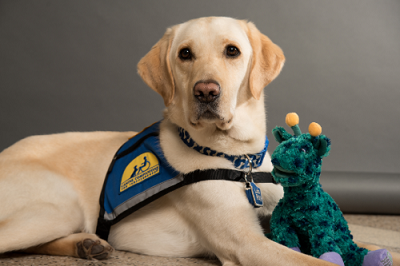
Fellows also observe and collaborate with facility dogs, specially trained animals who provide comfort and emotional support to patients during hospitalization and procedures. Facility dogs differ from therapy dogs in that they work full-time with a dedicated facilitator in the hospital setting, enhancing the patient-centered care experience.
This exposure allows trainees to understand the psychosocial and developmental aspects of pediatric care, learning strategies to alleviate anxiety, improve cooperation, and enhance perioperative outcomes in children.